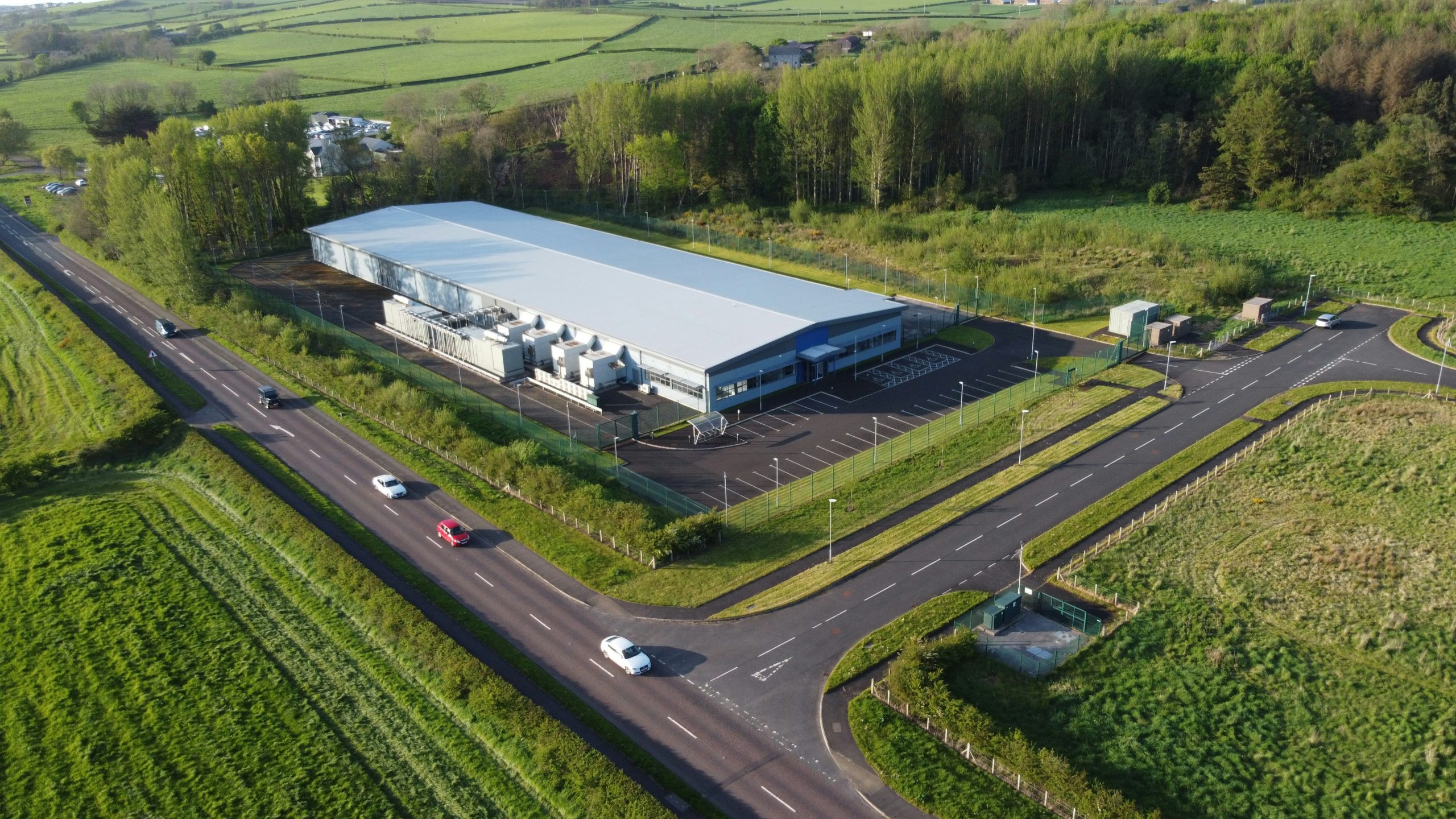
Data centres can bring significant investment, construction work, skilled jobs, and substantial business rates to a local area. However, it is crucial for landowners, councillors, and residents to understand that the operational headcount for such facilities is typically very small once construction is complete, especially when compared to the vast size of the buildings themselves. This article provides a balanced overview of the benefits and common concerns associated with data centre developments.
What is the Employment Impact of a Data Centre?
The employment impact of a data centre development typically unfolds in two distinct phases: construction and operational. While both phases contribute to local employment, the nature and scale of these contributions differ considerably, a fact often misunderstood by communities.
Construction Employment
The construction phase of a data centre is undoubtedly a significant generator of employment. These are large-scale infrastructure projects, demanding a diverse range of skills and a substantial workforce over several years. During this period, local areas can expect to see:
- Direct Construction Jobs: This includes roles for project managers, civil engineers, structural engineers, architects, electricians, plumbers, HVAC technicians, general labourers, and specialist data centre installation teams. The sheer scale of these builds means hundreds, and sometimes thousands, of workers can be on-site simultaneously during peak construction.
- Indirect Supply Chain Jobs: Beyond the immediate construction workforce, there is a ripple effect through the local and regional economy. Demand for construction materials, machinery, transportation services, temporary accommodation for workers, and catering services increases. This supports jobs in manufacturing, logistics, and local service industries.
- Duration of Employment: The construction phase can last anywhere from 18 months to several years, depending on the size and complexity of the facility, and whether it is built in phases. This provides a sustained period of economic activity and employment for the local area.
- Skill Transfer and Training: While many skilled roles are filled by specialist contractors who may travel, there are opportunities for local labourers and tradespeople to gain experience and training in large-scale commercial construction, potentially upskilling the local workforce.
Operational Employment
Once a data centre is built and becomes operational, the employment picture changes dramatically. While the facility requires highly skilled personnel, the overall number of staff is surprisingly low relative to the size and investment.
- Highly Skilled but Small Teams: Operational data centres are largely automated and run by lean teams. Roles typically include IT technicians, network engineers, facilities managers, security personnel, and administrative staff. These are often highly specialised and well-paid positions, but their total number rarely exceeds a few dozen for even the largest facilities.
- Specialised Skills: The skills required for operational roles are often niche, focusing on IT infrastructure, cybersecurity, power management, and cooling systems. While some local residents may possess these skills, developers often draw from a national or even international talent pool to find the right expertise.
- Comparison to Construction: It is critical to manage expectations regarding operational employment. The operational workforce is a fraction of the construction workforce, a stark contrast that can sometimes lead to local disappointment if not clearly communicated upfront. The building might be vast, but its human footprint once operational is minimal.
How Do Data Centres Impact Local Supply Chains?

Data centres, by their nature, are significant consumers of goods and services, both during their construction and throughout their operational lifespan. This creates opportunities for local supply chain engagement, though the extent of this varies.
Construction Phase Supply Chains
The construction of a data centre is a colossal undertaking, requiring an immense array of materials, equipment, and services. This phase offers the most substantial opportunities for local supply chain involvement.
- Materials and Components: Demand for concrete, steel, cabling, piping, insulation, and general building materials is immense. Local suppliers of these items, or those within a reasonable transport distance, can benefit significantly.
- Specialised Equipment: While much of the highly specialised IT equipment (servers, networking gear) and power/cooling infrastructure (generators, chillers) is procured from global manufacturers, there can still be local opportunities for installation, maintenance, and logistics support for these items.
- Local Services: During construction, there is a strong demand for ancillary services such as scaffolding, waste management, security services, temporary site offices, plant hire, fuel suppliers, and even local catering for the workforce. This provides a direct economic boost to local businesses.
- Logistics and Transportation: Moving vast quantities of materials and equipment to site creates work for local haulage and logistics companies. Managing traffic and site access also often involves local planning and infrastructure support.
Operational Phase Supply Chains
Once a data centre is operational, its ongoing needs shift from construction materials to more specific maintenance, utility, and support services.
- Maintenance and Repair: Ongoing maintenance of the facility’s extensive infrastructure, including electrical systems, cooling systems, and physical plant, creates demand for local contractors specialising in these areas. This can include electricians, plumbers, HVAC technicians, and building maintenance firms.
- Security Services: Data centres are highly secure facilities, requiring continuous monitoring and physical security. This often involves local security firms for personnel and surveillance systems.
- Cleaning and Grounds Maintenance: Large facilities require regular cleaning and professional grounds maintenance, providing consistent contracts for local service providers.
- Utility Consumption: Data centres are enormous consumers of electricity and water. While these are often supplied by national utility companies, local infrastructure improvements may be necessary, involving local contractors for upgrades to power grids and water supplies.
- Limited IT Supply Chain: The direct IT supply chain (e.g., procurement of new servers, network gear) is usually managed centrally by the data centre operator with global vendors, meaning fewer direct opportunities for local IT firms in this specific area. However, local break-fix support and cabling contractors might still find work.
What are the Fiscal and Community Benefits of Data Centres?

Beyond employment and supply chains, data centres contribute to local areas through fiscal revenues and, increasingly, through direct community benefits. These contributions are significant and often long-lasting.
Business Rates
One of the most substantial and enduring benefits a data centre brings to a local authority is business rates. These are taxes on non-domestic properties and are a crucial source of funding for local services.
- Significant Revenue Stream: Data centres are high-value properties, often comprising vast buildings filled with expensive equipment. This translates into very substantial business rate bills, potentially generating millions of pounds annually for the local council. These rates are a consistent and reliable income source for the lifetime of the facility.
- Funding Local Services: The revenue from business rates contributes directly to the funding of local public services such as education, social care, waste collection, road maintenance, and parks. For local authorities, a data centre can provide a significant boost to their financial capacity, enabling them to invest in improvements and maintain vital services.
- Long-Term Contribution: Unlike the temporary nature of construction employment, business rates provide a steady income stream for decades, as long as the data centre remains operational. This long-term financial stability is highly attractive to local councils.
Community Benefit Schemes
Recognising the need to demonstrate broader value to local communities, developers often offer direct community benefits as part of their planning proposals. These can take various forms, aimed at addressing local needs and enhancing quality of life.
- Financial Contributions: Developers may make direct financial contributions to local community funds, charities, or specific projects. These funds can be used for local amenities, environmental initiatives, or social programmes.
- Infrastructure Improvements: Contributions might be directed towards local infrastructure improvements that benefit the wider community. This could include upgrades to roads, public transport links, cycle paths, or improvements to local utility networks that have a wider community benefit.
- Educational and Training Initiatives: Developers may partner with local schools or colleges to provide funding for STEM education, apprenticeships, or training programmes that align with the technical skills required in the digital economy. This helps to upskill the local population and potentially create a pipeline of talent for future roles.
- Green Initiatives: Some developers offer to invest in local environmental projects, such as tree planting, biodiversity enhancements, or renewable energy schemes that benefit the community and align with sustainability goals.
- Local Amenity Enhancements: This could involve funding for local parks, sports facilities, community centres, or other public spaces, directly improving the quality of life for residents.
- Developer Engagement: These benefits are typically negotiated during the planning process and are often enshrined in Section 106 agreements, making them legally binding commitments from the developer. The specifics will vary greatly depending on local needs and the developer’s willingness to invest.
What Are Common Local Concerns About Data Centres?
While data centres offer undeniable benefits, they also frequently raise a range of concerns among local residents and councillors. A fair and balanced view requires acknowledging and addressing these common issues.
Environmental Impact
The environmental footprint of data centres is a significant area of concern, primarily due to their immense energy and water consumption.
- Energy Consumption: Data centres are exceptionally power-hungry, operating 24/7 to cool and power vast arrays of servers. This raises concerns about increased demand on the local and national electricity grid, the source of this energy (i.e., fossil fuels vs. renewables), and the overall carbon emissions associated with their operation. Local residents often worry about the contribution to climate change and the strain on existing energy infrastructure.
- Water Usage: Many data centres use large quantities of water for cooling systems. This can put pressure on local water resources, especially in areas already experiencing water scarcity, and raise questions about the sustainability of such usage.
- Noise Pollution: The cooling systems, generators, and other mechanical equipment associated with data centres can generate significant noise, particularly for residents living in close proximity. This constant hum can be a source of disturbance and reduce quality of life.
- Visual Impact: Data centres are often large, monolithic buildings, sometimes windowless and industrial in appearance. Their sheer scale can be perceived as an eyesore, altering the rural or semi-rural character of an area and dominating the landscape. Concerns are often raised about the loss of open spaces and changes to the visual amenity.
Infrastructure Strain
The development and operation of a data centre can place considerable strain on existing local infrastructure.
- Road Congestion: During the construction phase, there is a substantial increase in heavy goods vehicle (HGV) traffic for material delivery, leading to road wear and congestion on local routes. Even during operation, there will be some regular traffic for maintenance and deliveries.
- Utility Demands: Beyond electricity and water, data centres require robust fibre optic connectivity. While this is often a benefit for local digital infrastructure, the sheer scale of the demand can necessitate significant upgrades to local power grids, water supply lines, and drainage systems, which can be disruptive and costly.
- Loss of Agricultural Land: Data centre developments often target large, flat parcels of land, which can frequently be productive agricultural land. This raises concerns about food security, the loss of prime farmland, and the irreversible change of land use.
Economic and Social Discrepancies
While data centres bring investment, the nature of their employment can sometimes lead to local frustrations.
- Low Operational Jobs vs. High Investment: As discussed, the high investment and large footprint of a data centre contrasts sharply with the low number of operational jobs. This can lead to local disillusionment if expectations about job creation are not managed correctly. Residents might perceive that they are bearing the environmental and infrastructure costs without receiving commensurate local employment benefits.
- Skill Mismatch: The highly specialised nature of operational data centre jobs means that local workforces may not possess the required skills, leading to a situation where well-paid jobs are filled by external candidates, potentially causing resentment.
- Limited Local Economic Multiplier: While business rates are significant, the direct economic multiplier effect from operational data centres (e.g., staff spending at local shops, restaurants) is generally lower than industries with larger workforces.
How Can Data Centre Site Potential Be Assessed?
| Metric | Description | Impact on Local Area |
|---|---|---|
| Employment Opportunities | Number of jobs created during construction and operation phases | Boosts local employment, including skilled and unskilled positions |
| Economic Investment | Capital invested in building and maintaining the data centre | Stimulates local economy through procurement and services |
| Energy Consumption | Amount of electricity used by the data centre annually (MWh) | Increases local energy demand, potentially driving infrastructure upgrades |
| Tax Revenue | Local taxes paid by the data centre and its employees | Enhances funding for public services and community projects |
| Infrastructure Development | Improvements to roads, telecommunications, and utilities | Benefits wider community through upgraded facilities and connectivity |
| Environmental Impact | Carbon footprint and water usage of the data centre | Requires sustainable practices to minimise negative effects on local environment |
| Community Engagement | Initiatives and partnerships with local organisations | Supports education, training, and social programmes in the area |
Understanding a site’s suitability for a data centre requires a comprehensive assessment that goes beyond surface-level observations. Tools and methodologies exist to provide detailed, actionable insights into a parcel’s viability.
TERMINUS Instant Classification Report (ICR)
The Instant Classification Report (ICR) is an initial, high-level assessment designed to quickly identify the fundamental suitability of a site for data centre development. It provides an immediate overview of key factors without delving into deep specifics.
- Rapid Initial Screening: An ICR offers a swift evaluation, allowing landowners, developers, or local authorities to quickly determine if a site possesses the basic characteristics required for a data centre. This helps to filter out unsuitable sites early in the process.
- Core Suitability Indicators: It typically assesses fundamental factors such as geographical location, proximity to power infrastructure (e.g., substations), general connectivity, and broad environmental considerations. The output provides a preliminary indication of whether a site warrants further investigation.
- Time and Cost Efficiency: By providing an instant snapshot, the ICR saves time and resources that would otherwise be spent on more detailed analyses of fundamentally unviable sites. It is an excellent first step for anyone considering a potential data centre development.
TERMINUS Land Intelligence Report (LIR)
Building upon the ICR, the Land Intelligence Report (LIR) provides a more granular and detailed examination of a site’s attributes, offering a deeper understanding of its potential and associated challenges.
- Detailed Site Analysis: The LIR goes beyond the initial classification to offer a comprehensive breakdown of numerous factors influencing data centre development. This includes more detailed analysis of local power availability and grid capacity, fibre connectivity routes, water and sewage infrastructure, and flood risk assessments.
- Environmental and Planning Context: It delves into the specific environmental designations affecting the site (e.g., Green Belt, Areas of Outstanding Natural Beauty), relevant planning policies, and potential ecological sensitivities. This helps to identify potential planning hurdles early on.
- Geographic and Topographical Insights: The report provides detailed information on topography, ground conditions, and access routes, all critical for construction logistics and foundation design.
- Risk and Opportunity Identification: By consolidating a wide range of data, the LIR helps to pinpoint specific risks that could impede development (e.g., protected species, complex land ownership) as well as unique opportunities (e.g., direct fibre links, abundant renewable energy potential). It offers a more informed basis for initial decision-making and engagement.
TERMINUS Full Parcel Viability (FPV)
The Full Parcel Viability (FPV) assessment represents the most exhaustive and in-depth analysis available. It synthesises all relevant data to provide a complete picture of a site’s development potential, including a detailed financial and strategic outlook.
- Comprehensive Due Diligence: The FPV leaves no stone unturned, incorporating all data from the LIR and adding further layers of detailed investigation. This includes in-depth power and fibre network studies, detailed planning policy reviews specific to the site, comprehensive environmental impact assessments, and a thorough analysis of local socioeconomic factors.
- Strategic and Financial Modelling: Crucially, the FPV integrates strategic considerations with financial modelling. It assesses potential development costs, regulatory compliance costs, timeline projections, and potential returns on investment. It also considers the competitive landscape and market demand for data centre capacity in the region.
- Detailed Risk Mitigation Strategies: The report identifies all foreseeable risks – technical, environmental, regulatory, and financial – and proposes comprehensive mitigation strategies, providing a clear pathway for addressing challenges.
- Actionable Development Plan: The FPV culminates in an actionable development plan, outlining the steps required to bring the data centre project to fruition. This includes recommendations for further surveys, stakeholder engagement, planning application strategies, and potential financial structuring. It provides a complete roadmap for investors and developers, equipping them with the certainty needed to proceed with confidence.
Frequently Asked Questions
Do data centres create jobs?
Yes, data centres create significant jobs during their construction phase, encompassing a wide range of trades and skills. However, once operational, the permanent headcount is typically very small, consisting of highly skilled technical and security personnel.
What are the main benefits of a data centre for a local community?
The main benefits include substantial business rates revenue for the local authority, significant investment in local infrastructure, and opportunities for local supply chain businesses during construction. Developers also often provide community benefit contributions for local projects or amenities.
Are data centres environmentally friendly?
Data centres are large consumers of electricity and, in some cases, water. While the industry is increasingly focused on sustainability, using renewable energy and efficient cooling technologies, their environmental impact, particularly regarding energy consumption and carbon emissions, is a common concern.
Do data centres impact local traffic?
During the construction phase, there is a substantial increase in heavy goods vehicle (HGV) traffic for material delivery, which can lead to local road congestion and wear. Operational traffic is significantly lower but still present for maintenance and security.
Why are data centres so large but have few employees?
Data centres require vast physical space for server racks, power infrastructure, and cooling systems. Their operations are highly automated and rely on sophisticated technology, meaning a small team of highly skilled technicians can manage a very large facility efficiently.
It is imperative to understand a site’s true potential before embarking on any development discussions. Utilise comprehensive tools like the TERMINUS Instant Classification Report (ICR), Land Intelligence Report (LIR), and Full Parcel Viability (FPV) to gain a clear, evidence-based assessment of a parcel’s suitability for a data centre. This proactive approach ensures informed decisions, effectively manages expectations, and maximises the likelihood of a successful and beneficial outcome for all stakeholders.