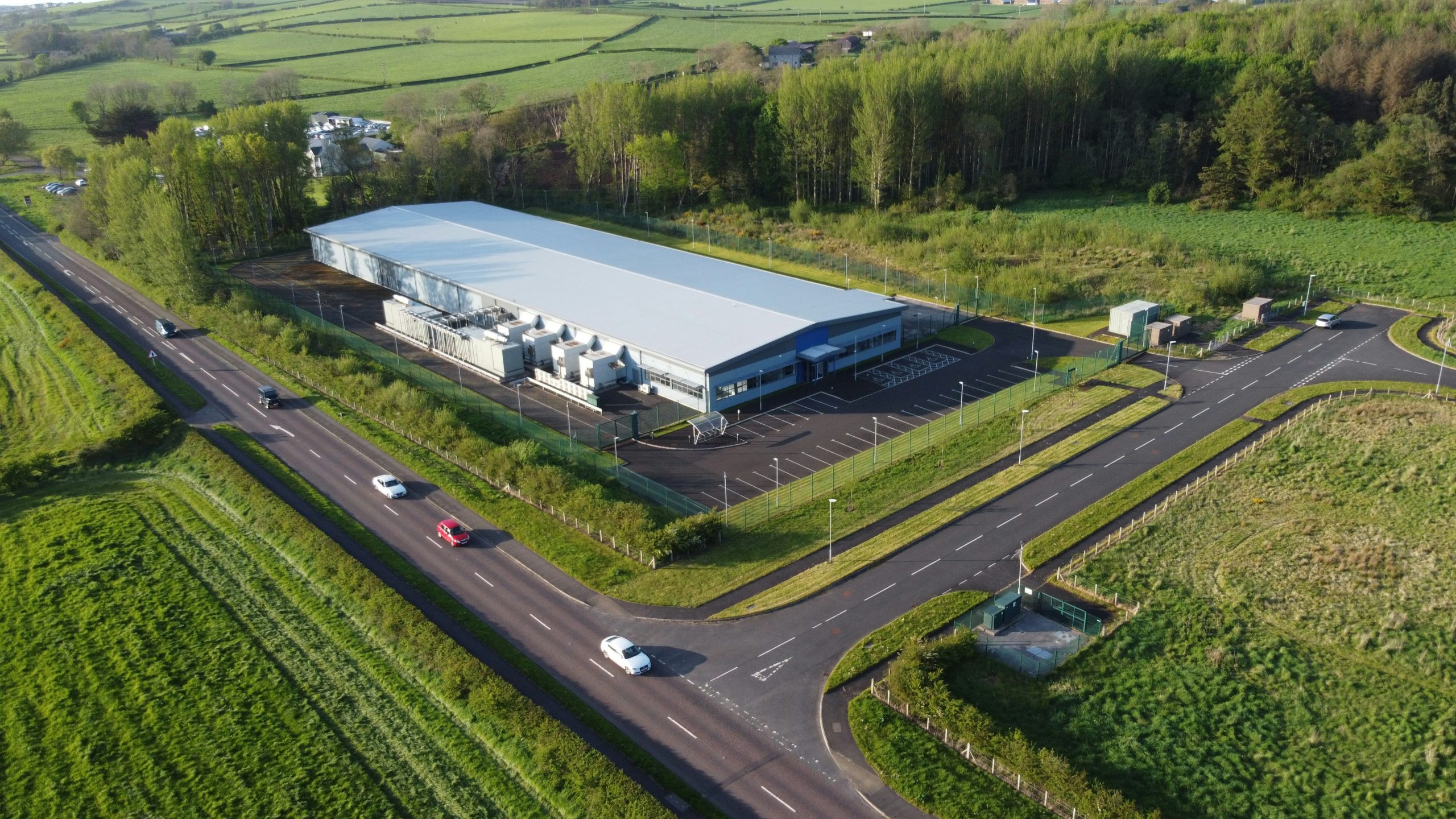
Land without grid capacity presents a serious barrier to data centre development, but it is not always a dead end. Landowners must understand that while a lack of immediate grid connection is a significant hurdle, strategic approaches can potentially mitigate this challenge. These approaches each involve distinct trade-offs in terms of cost, timescale, and the complexities of obtaining necessary consents.
What is Grid Capacity and Why is it Critical for Data Centres?
Grid capacity refers to the available electrical power within a local network that can be reliably supplied to a new connection. For data centres, this is not merely a convenience; it is a fundamental prerequisite. Data centres are ravenous consumers of electricity, operating 24/7 to power thousands of servers, cooling systems, and essential infrastructure. Without sufficient, stable grid capacity, a data centre simply cannot function. The demand is not just for a large quantity of power, but also for resilience and quality – any fluctuation or interruption can have catastrophic consequences for data integrity and operational continuity.
The expansion of digital infrastructure and the increasing adoption of AI and machine learning are pushing the boundaries of existing electrical grids. Many desirable locations for data centres, often chosen for connectivity, fibre routes, or proximity to urban centres, may already be at or near their maximum power uptake capacity. This creates a bottleneck, turning what might otherwise be a prime development site into a non-starter without significant intervention. The initial assessment of grid capacity is therefore paramount, taking precedence over almost all other site suitability factors once core geographical requirements are met. It is an investment of time and resources that must be made before any substantial commitment to a site.
Why Prioritise Grid Capacity Checks?
Committing to a site without understanding its grid capacity can lead to exorbitant costs and insurmountable delays. Imagine acquiring land, commissioning architectural designs, and beginning preliminary groundworks, only to discover that the local substation cannot support the required power load for a decade. This scenario is a developer’s nightmare, resulting in sunk costs, reputational damage, and lost opportunities. Early grid capacity checks protect against such pitfalls, providing a realistic appraisal of a site’s potential and identifying necessary next steps. It allows for informed decision-making, ensuring that resources are directed towards genuinely viable projects.
What Are the Options When Grid Capacity is Limited?

When a site lacks immediate grid capacity, several strategies can be explored. Each pathway carries its own set of complexities, influencing financial outlay, project timelines, and the regulatory landscape. There is no one-size-fits-all solution, and the most appropriate strategy will depend heavily on the specifics of the site, the required power load, and the developer’s appetite for risk and investment.
Waiting for Network Reinforcement
This option involves a direct engagement with the Distribution Network Operator (DNO) or Transmission System Operator (TSO) to request an upgrade or expansion of the existing electrical infrastructure. This could mean upgrading substations, laying new cables, or enhancing transmission lines to the site. While this guarantees a robust, grid-connected power supply, it is often associated with the longest timescales and significant costs. The DNO/TSO will typically provide an estimated connection date and an associated cost, which can vary wildly depending on the scale of the required works and the existing network’s capacity. Developers must be prepared for potentially multi-year waits, as network upgrades are complex projects requiring extensive planning, environmental assessments, and considerable capital investment by the network operator, part of which may be rechargeable to the developer. Consent for these works extends beyond the data centre site itself, impacting public land and existing infrastructure.
Phased or Flexible Connections
A phased connection involves initially connecting to a smaller capacity that is immediately available, with the understanding that full capacity will be delivered in stages as network upgrades become available. This allows for a modular data centre build, where initial phases can become operational sooner, generating revenue while waiting for subsequent power increments. A flexible connection, on the other hand, might involve agreements to curtail power usage during peak demand periods on the grid, in exchange for a quicker or cheaper initial connection. This requires sophisticated energy management systems within the data centre to manage load dynamically and potentially rely on on-site generation during curtailment events. Both approaches require close collaboration with the DNO/TSO and careful consideration of the data centre’s operational requirements and expansion plans. They offer a compromise, potentially reducing initial waiting times but introducing operational constraints or a staggered revenue stream.
On-Site Generation or Storage
This strategy involves generating a significant portion, or even all, of the data centre’s power requirements directly on the site, often complemented by battery energy storage systems (BESS). This can take various forms:
- Renewable Energy Sources: Solar farms or wind turbines, either on-site or nearby, can provide sustainable power. However, their intermittency often necessitates substantial battery storage or a grid connection for backup.
- Combined Heat and Power (CHP) / Gas Generators: These can offer a reliable power source, particularly for baseload. While effective, they carry environmental implications and require fuel supply infrastructure.
- Battery Energy Storage Systems (BESS): BESS can act as a buffer, storing surplus energy from on-site generation or drawing from the grid during off-peak hours to discharge during peak demand or grid outages. They are crucial for maintaining power quality and bridging gaps in supply.
The trade-offs here are substantial. On-site generation and storage demand significant capital expenditure for installation and ongoing operational costs for fuel and maintenance. Planning consents can be complex, especially for large-scale generation assets, involving environmental impact assessments and compliance with specific regulations. While offering greater energy independence and potentially faster deployment for the data centre itself, the overall project timeline and cost can still be considerable.
What Are the Critical Trade-offs to Consider?

Each option for addressing a lack of grid capacity presents a distinct set of trade-offs that developers must meticulously evaluate. These are not merely financial considerations but also encompass operational flexibility, long-term sustainability, and the broader context of regulatory and environmental compliance.
Cost Implications
The financial burden varies dramatically across the different approaches. Waiting for network reinforcement can incur substantial “connection charges” levied by the DNO/TSO, which can run into millions of pounds depending on the scale of the required upgrades. These costs might be spread over a long period or required upfront. Phased or flexible connections might reduce initial outlay but could lead to increased operational costs due to energy management strategies or a slower ramp-up of revenue. On-site generation and storage involve significant capital expenditure for the procurement and installation of generators, solar panels, wind turbines, or large battery systems. Furthermore, there are ongoing costs for fuel (for gas generators), maintenance, and potential decommissioning. The total cost of ownership needs to be carefully modelled, including both CAPEX and OPEX, to determine the most economically viable path.
Timescale Considerations
Time is often the most critical factor in data centre development. Waiting for network reinforcement can introduce multi-year delays, pushing back a project’s completion by five, ten, or even fifteen years in extreme cases. These timelines are largely outside the developer’s direct control, depending on the DNO’s investment cycles, planning processes, and construction schedules. Phased connections can accelerate the initial operational launch but mean full capacity might still be years away. Flexible connections offer quicker initial access but impose operational constraints. On-site generation can, in some instances, offer a faster route to operational readiness for the data centre itself, assuming planning for the generation assets can be expedited. However, securing permits for power plants or large-scale battery installations can also be a protracted process. A thorough understanding of all permitting, procurement, and construction timelines is essential for accurate project scheduling.
Consent and Regulatory Frameworks
Navigating the consent landscape is complex for all options. For network reinforcement, consents are primarily handled by the DNO/TSO, but developers may need to support the process or factor these timelines into their planning. For on-site generation, the developer becomes directly responsible for securing a myriad of planning permissions. This includes local planning authority approvals for the physical structures (e.g., generator enclosures, solar arrays), environmental permits (e.g., air quality permits for gas generators), and potentially grid connection agreements for any export or import of power. The regulatory framework around energy generation and storage is constantly evolving, requiring expert guidance to ensure compliance. Each option introduces a different set of regulatory hurdles and stakeholders, from local councils to national environmental agencies.
How Can TERMINUS Help Assess Site Viability?
Before committing significant resources to a data centre project, understanding a site’s power potential is non-negotiable. TERMINUS offers a tiered approach to evaluating land parcels, providing progressively detailed insights into their suitability for data centre development, with power capacity being a central focus. These reports are designed to arm landowners and developers with the intelligence needed to make informed decisions without delving into specific engineering, legal, or financial advice.
Instant Classification Report (ICR)
The Instant Classification Report (ICR) is the foundational tier. This initial assessment provides a rapid, high-level overview of a site’s immediate potential. For power, the ICR will indicate the presence or absence of grid capacity issues as a key indicator. It will highlight if the site is in an area known for severe grid constraints or if there appears to be readily available capacity based on public records and preliminary network mapping. This report is crucial for initial triage, quickly identifying sites that are likely to be dead ends due to fundamental power limitations, allowing developers to swiftly discard unsuitable options and focus their efforts where there is at least a glimmer of potential. It does not provide specific MVA figures or connection dates but acts as a critical first filter.
Land Intelligence Report (LIR)
Building upon the ICR, the Land Intelligence Report (LIR) offers a more granular analysis. For grid capacity, the LIR delves deeper, providing a clearer picture of the nature of any identified power constraints. It might indicate whether the issue is related to the immediate local distribution network or if it stems from broader transmission-level limitations. The LIR will draw upon publicly available DNO connection offers or regional network development plans where possible, to give an indication of the potential scale of reinforcement required. While still not providing definitive MVA figures or guaranteed timescales, it moves beyond a simple ‘yes/no’ to offer context around the power situation, allowing for a more nuanced understanding of the challenges and potential pathways forward. This report is vital for shortlisting sites that require further investigation, providing enough detail to start considering which of the grid capacity mitigation strategies might be applicable.
Full Parcel Viability (FPV)
The Full Parcel Viability (FPV) report is the most comprehensive assessment TERMINUS offers. For power, the FPV consolidates all available data to provide the most complete picture possible without direct DNO engagement. It will synthesise information from the ICR and LIR, incorporating more detailed analysis of local network infrastructure, potential substation locations, and available capacity data from various sources. The FPV aims to quantify the magnitude of the grid capacity challenge and identify the most likely mechanisms for connection. It will outline the potential need for significant network reinforcement or highlight the feasibility of on-site generation or phased connections based on site attributes and local energy policies. This report empowers developers to engage with DNOs or energy consultants with a strong understanding of their site’s specific power challenges, enabling more productive discussions and more accurate initial project planning. The FPV is the essential tool for moving from initial interest to serious project consideration, providing the detailed intelligence needed to formulate a viable power strategy.
Frequently Asked Questions
| Metric | Description | Considerations for Data Centre Use | Potential Solutions |
|---|---|---|---|
| Grid Capacity (MW) | Maximum electrical power available from the local grid | Zero or insufficient capacity means no direct grid connection possible | Use of on-site generation (e.g., diesel generators, renewables), energy storage systems |
| Distance to Nearest Grid Connection (km) | Proximity to existing electrical infrastructure | Long distances increase cost and complexity of grid connection | Microgrids, private power lines, or off-grid solutions |
| Renewable Energy Potential | Availability of solar, wind, or other renewable resources on site | High potential can offset lack of grid capacity | Installation of solar panels, wind turbines, hybrid systems |
| Energy Storage Capacity (MWh) | Ability to store energy for continuous operation | Critical for balancing supply and demand without grid support | Battery systems, flywheels, pumped hydro storage |
| Backup Power Systems | Availability of generators or alternative power sources | Essential for reliability and uptime in absence of grid | Diesel generators, fuel cells, hybrid backup systems |
| Operational Costs (£/MW per year) | Estimated annual cost of power generation and maintenance | Higher costs expected without grid access | Optimisation of energy efficiency, use of renewables to reduce costs |
| Environmental Impact | Carbon footprint and ecological considerations | Off-grid solutions may increase emissions unless renewables used | Implement green energy sources and carbon offset programmes |
Can you build a data centre without grid capacity?
Yes, it is possible, but it requires substantial investment in alternative power solutions. This typically involves significant on-site generation, such as gas-fired power plants, large-scale solar or wind farms, often coupled with extensive battery energy storage systems (BESS). These solutions aim to make the data centre energy-independent or at least minimise reliance on the grid. However, such projects involve considerable capital expenditure, complex planning permissions, and ongoing operational costs for fuel and maintenance.
Is grid capacity the only thing that matters for a data centre?
No, while grid capacity is paramount, it is not the only factor. Other critical considerations include fibre connectivity (proximity to major fibre routes), flood risk, access to skilled labour, environmental consents, planning permissions for the physical build, land size and topography, proximity to existing infrastructure, and security. However, without sufficient power, none of these other factors matter as a data centre cannot operate.
How quickly can grid capacity issues be resolved?
The resolution time varies significantly. Minor upgrades might take 1-3 years. However, major network reinforcement involving new substations or transmission lines can extend to 5-10 years, or even longer in areas with severe constraints. On-site generation can potentially be deployed faster for the data centre’s power, but the planning and construction of the generation assets themselves can still take several years.
What is the first step a landowner should take regarding grid capacity?
The first step is always to get a preliminary assessment of the site’s grid capacity. This should be done before any significant financial commitment to the land. Utilising tools like TERMINUS reports can provide this initial understanding, highlighting potential issues and guiding subsequent, more detailed investigations with the Distribution Network Operator (DNO).
Is it cheaper to build a data centre with on-site generation?
Not necessarily. While on-site generation might avoid DNO connection charges, it incurs significant capital expenditure for power generation equipment, fuel storage, and associated infrastructure. Operational costs for fuel and maintenance are also substantial. The overall cost-effectiveness depends on the scale of the data centre, the specific generation technology used, fuel prices, and the cost of grid connection alternatives. A comprehensive financial model is essential.
What are the environmental implications of different power solutions?
Grid connections vary in their carbon intensity depending on the national energy mix. Renewable on-site generation (solar, wind) offers a low-carbon solution, though battery storage has its own environmental footprint. Gas-fired generators produce carbon emissions and local air pollutants, requiring robust environmental permitting. These factors are increasingly scrutinised by regulators and potential occupiers focused on sustainability.
Should I engage with the DNO directly from the start?
It is advisable to conduct preliminary research and assessments (e.g., TERMINUS reports) first to understand the general situation. Armed with this knowledge, direct engagement with the DNO becomes more focused and productive. The DNO will require detailed information about your proposed load and connection requirements, so having a clear understanding of your project needs is beneficial before formal discussions.
TERMINUS offers the precision you need. Find out where your site stands on power.