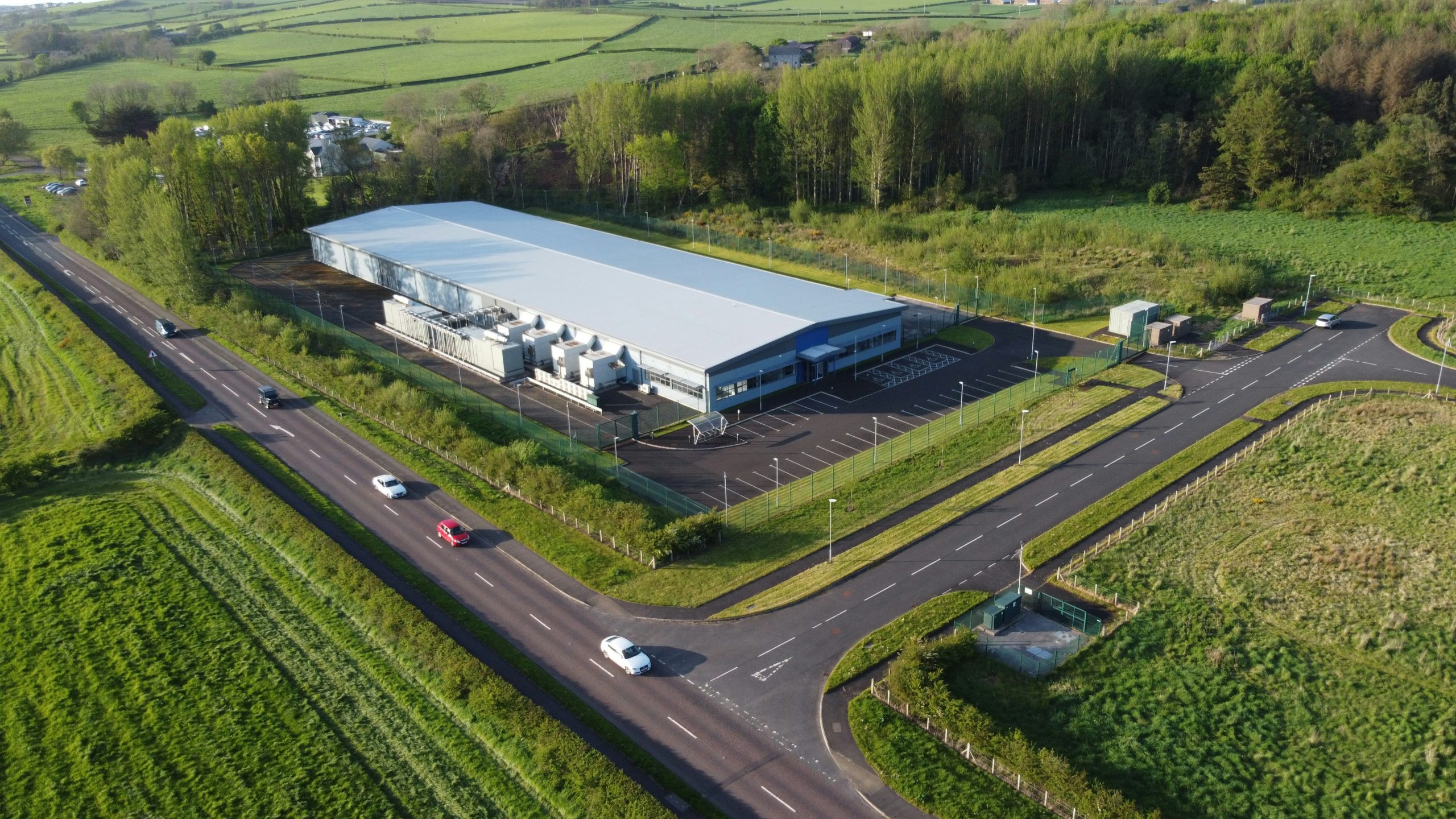
A Land Intelligence Report (LIR) is TERMINUS’s comprehensive desk-based report explaining how a parcel performs across the categories that matter for data centre development. It provides a detailed, data-driven assessment, enabling landowners, agents, and developers to understand a site’s potential for this highly specialised infrastructure. This report is an essential tool for strategic decision-making in the early stages of the data centre development lifecycle.
What is a Land Intelligence Report?
A Land Intelligence Report (LIR) is TERMINUS’s definitive desk-based assessment, meticulously detailing how a specific land parcel performs across the six critical categories for data centre development. This report provides a deep dive into the intrinsic and extrinsic factors that dictate a site’s suitability, offering a clear and comprehensive understanding to stakeholders. It is not merely a summary; it is an in-depth analytical document designed to inform and guide strategic land decisions for high-value data centre projects. The LIR synthesises complex geographical, infrastructural, and regulatory information into actionable insights, removing much of the initial guesswork associated with site selection.
The Six Core Categories of Assessment
The LIR systematically evaluates a parcel against six fundamental categories, each indispensable for successful data centre deployment. These categories represent the foundational pillars upon which any viable data centre project must be built. A thorough understanding of a site’s performance across these areas is crucial for mitigating risks and optimising development potential.
Power
Power is the lifeblood of any data centre. The LIR meticulously assesses the availability, capacity, proximity, and reliability of the grid connection to the site. This includes evaluating the existing infrastructure, potential for new connections, and the associated lead times and costs. Data centres demand enormous, uninterrupted power supplies, and the report provides critical intelligence on whether the local network can support such requirements, including details on substation proximity, voltage levels, and redundancy options. Understanding the power landscape is paramount, as insufficient or unreliable power can render an otherwise suitable site unviable. The report highlights potential limitations and opportunities related to grid upgrades and sustainable energy integration.
Planning
Planning encompasses the regulatory and statutory framework governing development. The LIR scrutinises local and national planning policies, zoning regulations, conservation area designations, flood plain status, and any other constraints or designations that could impact data centre construction. This includes an analysis of the likelihood of obtaining planning permission, potential for delays, and specific requirements for data centre projects within the local authority’s jurisdiction. It identifies any red flags such as green belt land, Areas of Outstanding Natural Beauty, or proximity to residential zones that might complicate or prohibit development. A clear understanding of the planning landscape is vital for forecasting project timelines and managing regulatory hurdles.
Connectivity
Connectivity refers to the fibre optic infrastructure that links the data centre to the global digital network. The LIR assesses the proximity, diversity, and capacity of fibre routes, including the availability of multiple carriers and dark fibre options. High-speed, low-latency, and redundant connectivity are non-negotiable for data centres. The report details the existing fibre backbone, potential for new connections, and the costs and complexities involved in establishing robust network links. It identifies whether the site is in a well-served area or if significant infrastructure investment would be required, which directly impacts operational efficiency and competitiveness.
Land Relief
Land relief addresses the topographical characteristics and geotechnical properties of the site. The LIR evaluates factors such as elevation, slope, ground stability, flood risk, and potential for subsidence. Data centres require stable, level ground for their substantial weight and sensitive equipment. The report considers drainage requirements, excavation needs, and potential ground remediation works. It identifies any challenging geological features that could increase construction costs or project timelines. Understanding the land relief helps in anticipating civil engineering challenges and ensuring the long-term structural integrity of the facility.
Accessibility
Accessibility concerns the ease of reaching the site for construction, operation, and maintenance. The LIR assesses road network quality, proximity to major transport links, and potential for heavy vehicle access. This includes evaluating the availability of suitable access points, traffic impact, and logistical challenges for delivering large equipment and personnel. Proximity to skilled labour pools, airports, and major urban centres is also considered, impacting operational efficiency and talent acquisition. Good accessibility streamlines construction logistics, facilitates ongoing maintenance, and ensures rapid response times for critical incidents.
Risk
Risk is a comprehensive category encompassing various environmental, social, and economic factors. The LIR evaluates potential hazards such as environmental contamination (e.g., brownfield sites), proximity to industrial or hazardous facilities, noise considerations, and local community impact. It also considers security aspects, potential for natural disasters (beyond just flood risk), and any other factors that could introduce operational or reputational risk to a data centre development. This category provides an overarching view of potential challenges and liabilities that might affect the project’s viability or long-term success.
Who Uses a Land Intelligence Report?

The Land Intelligence Report is a critical resource for a distinct set of stakeholders deeply involved in the land acquisition and development ecosystem for data centres. Each group leverages the LIR for specific strategic advantages, enabling more informed decision-making and accelerating their respective processes.
Landowners
For landowners, the LIR provides an invaluable, objective assessment of their parcel’s intrinsic value for a highly specialised and lucrative market: data centres. Many landowners may be unaware of their property’s latent potential for this specific use. The report clarifies whether their land possesses the unique characteristics that attract data centre developers, directly informing their valuation expectations and marketing strategies. It empowers them to speak confidently with potential buyers, armed with robust data, streamlining negotiations and ensuring they achieve a fair market price that reflects the true development potential. It helps them understand which aspects of their land are most attractive and where potential challenges might lie, allowing for proactive addressing of issues before they become obstacles.
Land Agents
Land agents, acting on behalf of landowners or developers, utilise the LIR as a powerful tool for strategic marketing and client advisory. When representing a landowner, the LIR allows agents to accurately qualify and price land parcels destined for data centre development, attracting the right buyers and optimising sales processes. When representing a developer, it enables them to rapidly identify and filter suitable sites from a vast inventory, reducing wasted time and resources on unsuitable options. The comprehensive data within the LIR provides agents with credible evidence to support their recommendations, fostering trust and accelerating deal progression. It enhances their expertise in a niche market, differentiating their services.
Developers
Data centre developers are the primary beneficiaries of the LIR, using it as a foundational document for their site selection and due diligence processes. The report offers a crucial desk-based assessment, allowing developers to quickly ascertain the fundamental viability of a site before committing significant resources to detailed investigations. It helps them identify potential deal-breakers early in the process, mitigating financial risk and optimising their development pipeline. Developers use the LIR to prioritise sites, compare options against key criteria, and build a robust case for investment. It supports the preliminary design phase by highlighting existing infrastructure and potential constraints, ensuring that early conceptual plans are grounded in reality. The LIR thus serves as a critical filter, allowing developers to focus their efforts on parcels with the highest probability of success.
When to Choose an LIR Over Other Reports
Choosing the right report at the right stage of the development process is crucial for efficiency and cost-effectiveness. The TERMINUS suite offers different levels of detail, and understanding when to deploy an LIR versus an Instant Classification Report (ICR) or a Full Parcel Viability (FPV) report is key for optimal resource allocation.
The Land Intelligence Report (LIR) for Detailed Desk-Based Assessment
The LIR is the ideal choice when a deeper, more comprehensive desk-based understanding of a specific parcel’s data centre potential is required, but prior to committing to costly on-site investigations. This report is chosen after initial broad screening (perhaps with an ICR) has identified a parcel of interest. It provides the necessary granular detail across the six critical categories, allowing stakeholders to confidently assess viability and move towards more formal due diligence. The LIR is particularly valuable for landowners who have been approached by developers or are considering actively marketing their land for data centre use, providing them with robust, independent data. Developers use it when they have a shortlist of potential sites and need a detailed comparative analysis without the immediate expense and logistical complexity of a physical site visit. It helps answer critical questions that surface after initial interest, providing a solid foundation for further decision-making.
Instant Classification Report (ICR) for Broad Screening
The Instant Classification Report (ICR) is designed for rapid, high-level screening. It provides a quick, indicative classification of a parcel’s potential for data centre development. You should choose an ICR when you have a large number of potential parcels and need to quickly filter out unsuitable options. It’s excellent for initial portfolio review, broad market scanning, or when an agent is identifying a broad pool of potential sites for a client. The ICR offers immediate feedback, saving time and resources that would otherwise be spent on investigating clearly non-viable locations. It is the first step in a funnel, designed to narrow down options before a more detailed assessment like the LIR is commissioned. The ICR gives a snapshot, an initial ‘go/no-go’ signal, without delving into the intricacies.
Full Parcel Viability (FPV) for On-Site Due Diligence
The Full Parcel Viability (FPV) report represents the deepest level of investigation, incorporating extensive on-site surveys, detailed geotechnical analysis, environmental assessments, and comprehensive legal and planning reviews. You should choose an FPV report only after an LIR has confirmed a parcel’s strong desk-based viability and the client is seriously considering acquisition or significant investment. The FPV is the final, definitive step before purchase or full commitment to development, providing all the information required for detailed design, final costings, and securing financing. It confirms all the desk-based findings with real-world verification and uncovers any unforeseen site-specific challenges. The FPV is a substantial investment, both in time and cost, and is therefore only commissioned for sites that have successfully passed the LIR assessment and are deemed highly promising. It is the comprehensive due diligence package for a fully committed project.
What Next Steps Does an LIR Support?
The Land Intelligence Report is not an endpoint but a pivotal stepping stone, enabling stakeholders to navigate the subsequent, more complex stages of data centre development with confidence and clarity. It acts as a detailed roadmap for future actions, mitigating risks and streamlining the entire process.
Informed Decision-Making and Strategic Planning
The primary immediate next step supported by an LIR is informed decision-making. For landowners, it provides the robust data needed to confidently market their land and set appropriate valuations. For agents, it solidifies their advisory position, enabling them to present qualified opportunities to developers. For developers, the LIR empowers them to create a refined shortlist of genuinely viable sites, prioritising resources towards locations with the highest probability of success. This includes making build/no-build decisions, comparing multiple sites against each other, and understanding the inherent strengths and weaknesses of each option. The report allows for strategic planning regarding potential infrastructure upgrades, identifying key regulatory hurdles, and forecasting project timelines more accurately. It arms all parties with the intelligence required to negotiate effectively and to develop a sound strategic plan tailored to the specific parcel’s attributes.
Preliminary Design and Cost Estimations
With the detailed insights from an LIR, developers can initiate preliminary design work with a much stronger understanding of the site’s constraints and opportunities. Knowledge of power availability, land relief, and connectivity informs initial architectural layouts, infrastructure requirements, and potential civil engineering challenges. This early-stage design can then feed into more accurate cost estimations for site preparation, utility connections, and overall construction. The LIR helps in identifying major cost drivers or potential savings, allowing for a more robust financial modelling of the project. Understanding the existing conditions, such as fibre routes or substation proximity, can lead to more efficient and cost-effective design solutions, reducing the need for extensive and expensive off-site infrastructure works.
Engagement with Stakeholders
The LIR provides a credible, data-backed document for engaging with a wide range of stakeholders. Developers can use it to present a compelling case to investors, demonstrating a thorough understanding of site viability and risk mitigation. For local authorities, the planning section of the LIR offers insights into potential planning challenges, enabling proactive engagement and pre-application discussions. Landowners can leverage the report in discussions with prospective buyers, substantiating the value and suitability of their parcel. It serves as a common reference point, facilitating clearer communication and alignment among all parties involved in the data centre development lifecycle, from financiers to utility providers.
Initiation of Formal Due Diligence and Legal Processes
Crucially, the LIR directly supports the initiation of formal due diligence and legal processes, including essential conveyancing searches. When a site has been identified as highly viable through the LIR, the next logical step is to commission statutory searches to uncover any legal or statutory issues that may affect the land. TERMINUS refers clients to trusted legal partners who can execute these critical conveyancing searches, ensuring a seamless transition from intelligence gathering to legal validation.
Conveyancing Searches (CON29, LLC1) via Referral Partner
Specifically, the LIR sets the stage for formal conveyancing searches such as the CON29 and LLC1. The CON29 (Local Authority Enquiries) reveals vital information about the property, including planning history, road proposals, environmental health notices, and any outstanding enforcement actions. The LLC1 (Local Land Charges Register) details registered charges and prohibitions, such as planning conditions, conservation area designations, and tree preservation orders. By confirming the LIR’s desk-based findings with these statutory searches, stakeholders gain absolute clarity on the legal status of the land. Our referral partners are expertly positioned to conduct these searches efficiently, integrating the LIR’s insights into a comprehensive legal due diligence process, thereby ensuring that all legal and statutory aspects of the parcel are thoroughly vetted before any final commitments are made. This integrated approach ensures a holistic understanding of the land’s suitability, encompassing both its physical attributes and its legal standing.
Frequently Asked Questions
| Metric | Description | Importance |
|---|---|---|
| Land Ownership Details | Information on current and past landowners | Essential for verifying legal ownership and resolving disputes |
| Land Use and Zoning | Classification of land use and zoning restrictions | Critical for planning development and ensuring compliance with regulations |
| Environmental Constraints | Data on protected areas, flood zones, and contamination | Important for assessing risks and environmental impact |
| Market Value Trends | Historical and current land value data | Helps in investment decisions and price negotiations |
| Infrastructure and Accessibility | Information on roads, utilities, and transport links | Influences land usability and development potential |
| Legal Encumbrances | Details on mortgages, liens, easements, and covenants | Necessary to identify any legal restrictions or obligations |
Is the LIR site-specific?
Yes, absolutely. Each Land Intelligence Report (LIR) is meticulously prepared for a specific, identified land parcel. We do not provide generic reports; every LIR is a bespoke analysis of a particular site, evaluating its unique characteristics against the six critical categories for data centre development. This ensures that the intelligence provided is directly relevant and actionable for that precise location.
How long does an LIR take to produce?
The production time for a Land Intelligence Report varies depending on the complexity of the site and the availability of underlying data. However, we are committed to efficiency. Once commissioned, a typical LIR can usually be delivered within a defined timeframe, which will be communicated clearly at the outset of the engagement. This ensures stakeholders receive timely insights to maintain project momentum.
Does the LIR include a site visit?
No, a Land Intelligence Report (LIR) is a comprehensive desk-based assessment. It relies entirely on publicly available data, satellite imagery, geospatial analysis, and proprietary data sets. While incredibly detailed and accurate, it does not involve any physical inspection or site visit. On-site investigations are reserved for our Full Parcel Viability (FPV) report, which is commissioned at a later stage once a site has proven its desk-based viability.
What if I need more detailed information than the LIR provides?
If the Land Intelligence Report identifies a highly promising site and you require even more granular detail and on-site verification, the next step would be to commission a Full Parcel Viability (FPV) report. The FPV includes extensive on-site surveys, geotechnical assessments, and in-depth environmental and legal due diligence, providing the ultimate level of detail required for final investment decisions and detailed design.
Can TERMINUS help me find a buyer for my land?
While TERMINUS does not act as a land agent, the Land Intelligence Report itself is a powerful tool for attracting qualified buyers. By providing an objective, data-backed assessment of your land’s suitability for data centre development, it empowers you or your agent to confidently market the parcel to the right developers. The LIR enhances your property’s appeal by demonstrating its specific value proposition within this niche market.
The Land Intelligence Report is an indispensable tool for anyone involved in the complex world of data centre site selection. Do not speculate when you can operate with certainty. Request a Land Intelligence Report today and gain the definitive advantage.