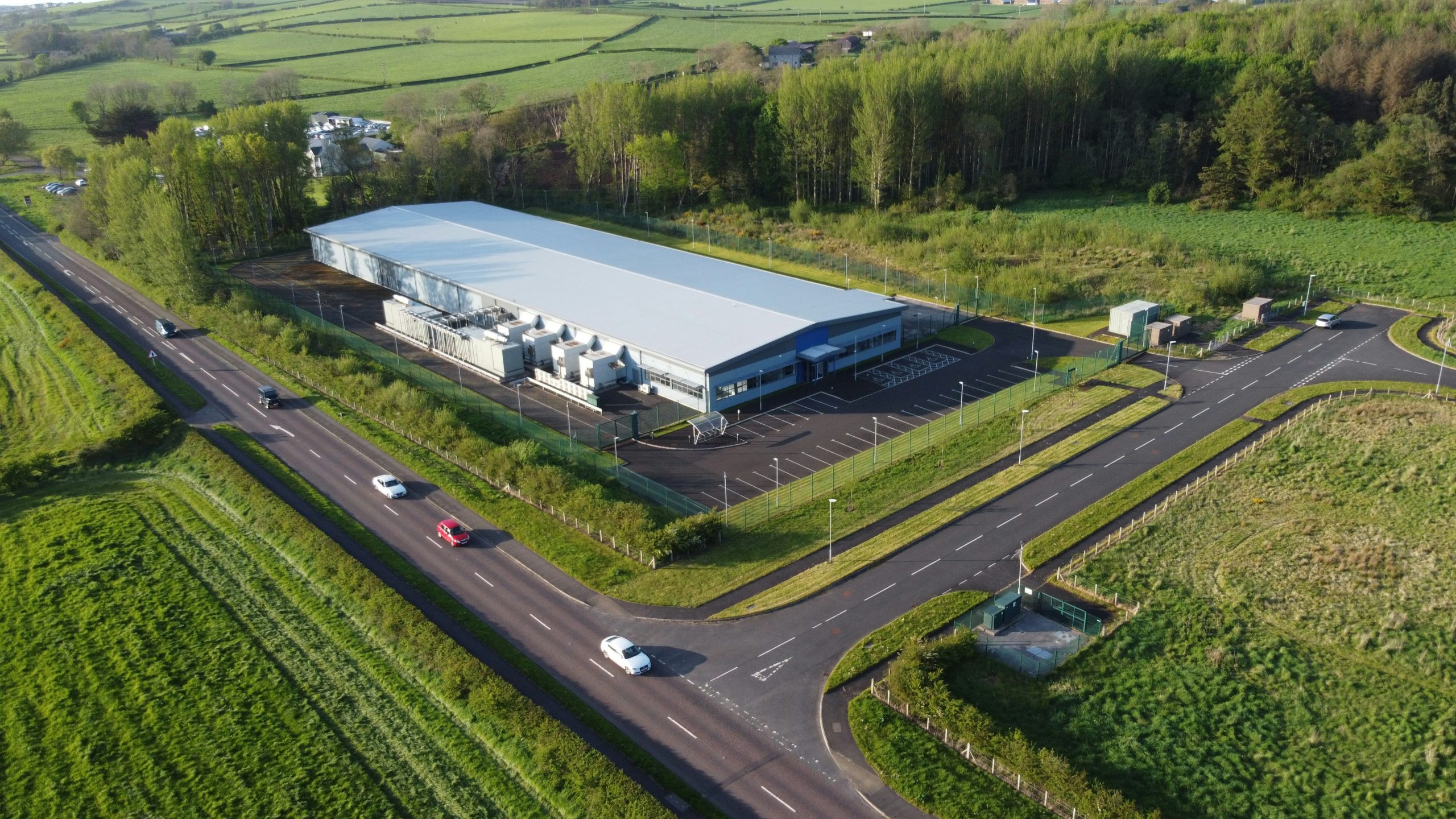
Data centres are normally consented through the local planning system in the UK, and the specific route depends significantly on their size and scale. Landowners and developers must understand that this is a complex process with various considerations. It is critical to seek qualified planning advice from the outset, as navigating the intricacies of planning legislation and local policy requires expert guidance.
What is the Planning Process for a Data Centre?
The planning process for a data centre development in the UK is multifaceted, involving several key stages. While the exact sequence and emphasis may vary depending on the local authority and the specific nature of the proposal, a general framework can be established. This framework ensures that all material planning considerations are addressed before a decision is made.
- Pre-Application Engagement: This initial, yet crucial, stage involves early discussions with the local planning authority. Developers present their preliminary proposals, allowing planning officers to offer initial feedback on the scheme’s likely acceptability, identify potential constraints, and highlight key policy considerations. This stage can involve informal meetings, submission of concept plans, and even technical discussions with relevant departments such as highways or environmental health. It is an opportunity to gauge the local authority’s appetite for such a development and to identify any ‘red flags’ early on, potentially saving significant time and resources down the line.
- Application Submission: Following pre-application advice and refinement of the proposals, a formal planning application is submitted to the local planning authority. This typically includes a comprehensive set of documents: application forms, detailed plans and drawings, a design and access statement, and a planning statement. Depending on the nature and scale of the data centre, various specialist reports will also be required. These might include environmental impact assessments, transport assessments, noise assessments, and a flood risk assessment. The quality and completeness of this submission are paramount, as any deficiencies can lead to delays or refusal.
- Validation and Consultation: Once submitted, the application is validated by the local authority to ensure all necessary documentation has been provided. Upon validation, a statutory consultation period begins. This involves notifying statutory consultees (e.g., Environment Agency, Highways England, Historic England), local residents, and parish councils. Site notices are posted, and the application is often publicised in local newspapers and on the council’s website. The purpose is to gather feedback and objections from interested parties, which the planning authority must take into account during their decision-making process.
- Assessment and Recommendation: Planning officers assess the application against national and local planning policies, taking into account all representations received during the consultation period. They consider the scheme’s impacts, both positive and negative, on the environment, local infrastructure, and the community. This detailed analysis culminates in a planning officer’s report, which provides a recommendation to either approve or refuse the application, often with conditions attached.
- Decision: The decision on a planning application for a data centre can be made either by planning officers under delegated powers (for smaller, less contentious schemes) or by the local authority’s planning committee (for larger, more complex, or controversial proposals). If approved, a planning permission notice is issued, outlining any conditions that must be met before or during development. If refused, the reasons for refusal are clearly stated, and the applicant has the right to appeal.
What are the Key Considerations for Data Centre Planning?
Developing a data centre involves navigating a range of specific planning considerations that go beyond those typical for standard industrial or commercial developments. The unique operational requirements and potential impacts of data centres mean that certain issues will receive particular scrutiny.
Environmental and Noise Issues
Data centres are energy-intensive operations and generate significant heat. This necessitates robust cooling systems, which can be a major source of noise. Planning applications must include comprehensive noise assessments, detailing existing background noise levels and predicting noise emissions from proposed plant and equipment. Mitigation strategies, such as acoustic enclosures, noise barriers, and careful siting of plant, are crucial to demonstrate that the development will not result in unacceptable adverse impacts on residential amenity or sensitive receptors. Furthermore, the substantial energy demand means that energy efficiency measures and the sourcing of renewable energy will be significant factors in demonstrating sustainability. The environmental impact assessment (EIA), if required, will delve into these aspects in detail, considering air quality, waste management, and the potential for heat reuse.
Local Policy and Green Belt Constraints
Local planning authorities have adopted local plans that set out policies for the development of their areas. These policies dictate what types of development are acceptable and where. Data centres, often requiring large land parcels and specific infrastructure, must align with these local policies. In areas subject to Green Belt designation, development is severely restricted. The NPPF (National Planning Policy Framework) defines Green Belt purposes, and new buildings are generally considered inappropriate unless they fall within very specific exceptions. Proving ‘very special circumstances’ to justify a data centre in the Green Belt is an exceptionally high bar, often requiring a demonstration of overriding national need that cannot be met elsewhere, coupled with substantial economic or public benefits that clearly outweigh the harm to the Green Belt. Proposals in the Green Belt are subject to intense scrutiny and face a significantly higher risk of refusal.
Community Objections
Data centre developments, particularly large-scale facilities, can attract significant community objections. Concerns often revolve around noise from cooling equipment, visual impact due to their size and industrial appearance, increased traffic generation during construction and operation, and the perceived drain on local power infrastructure. Developers must engage proactively with the local community, often through public consultation events, to address these concerns. Demonstrating how the development will contribute positively to the local economy, provide local employment opportunities, and integrate into the landscape can help mitigate opposition. Transparency and early engagement are vital in building trust and addressing misinformation.
Why Planning Risk Sinks Sites
Planning risk is the single most significant factor in whether a data centre project proceeds or fails. It is not merely a formality but a fundamental determinant of viability. Sites with high planning risk, such as those in the Green Belt, areas with significant environmental constraints, or those with strong local opposition, are inherently less attractive to developers and investors. The cost and uncertainty associated with navigating a complex, lengthy, and potentially unsuccessful planning application can render a site unviable, regardless of its technical suitability or financial attractiveness. Planning risk encompasses the likelihood of refusal, the potential for onerous conditions, and the time and expense of appeals. A site that looks perfect on paper can be sunk by insurmountable planning hurdles.
How to Mitigate Planning Risk for Data Centres?
Mitigating planning risk is paramount for the successful development of a data centre. A proactive, comprehensive approach is essential, focusing on early identification of issues and strategic planning.
Early Due Diligence and Site Selection
The single most effective way to mitigate planning risk is through robust early due diligence and strategic site selection. Choosing a site that aligns with local planning policies, has appropriate zoning, and minimal environmental or community constraints significantly increases the chances of planning approval. This involves a thorough analysis of:
- Policy Compliance: Does the site fall within an area designated for industrial or employment use, or is it in a sensitive area such as the Green Belt, Area of Outstanding Natural Beauty (AONB), or a flood zone?
- Infrastructure Availability: Proximity to high-voltage power grids, fibre optic connectivity, and suitable road networks is crucial. While not strictly a planning matter, infrastructure deficiencies can lead to planning objections relating to sustainability or traffic impact.
- Environmental Sensitivity: Are there protected habitats, watercourses, or air quality management areas nearby?
- Local Context: Proximity to residential areas, schools, or hospitals can heighten concerns about noise and visual impact.
Thoroughly researching these aspects before acquiring a site or committing significant resources is a critical first step.
Robust Pre-Application Engagement
As previously mentioned, engaging with the local planning authority at the earliest possible stage is indispensable. This is not just about ticking a box; it’s about building a relationship and understanding the council’s perspective. Pre-application discussions can:
- Identify Key Issues Early: Planners can highlight potential policy conflicts, required technical assessments, or likely areas of community concern.
- Inform Design Decisions: Feedback from planners can guide the design of the data centre, ensuring it better integrates with its surroundings and addresses potential impacts.
- Streamline the Process: Addressing issues proactively through pre-application engagement can lead to a more efficient and smoother formal application process, reducing delays.
- Gauge Political Will: While not a guarantee, early discussions can provide an indication of whether the council is generally supportive of data centre development in the area, especially if it aligns with local economic development strategies.
Comprehensive Impact Assessments and Mitigation
A planning application for a data centre must be supported by a suite of comprehensive technical assessments that demonstrate how any adverse impacts will be mitigated to an acceptable level. These typically include:
- Environmental Impact Assessment (EIA): For larger schemes, an EIA is mandatory and covers a wide range of potential impacts including air quality, water, ecology, landscape, noise, and traffic. The EIA must propose clear mitigation measures.
- Noise Assessment: Detailed modelling and proposed mitigation (e.g., acoustic baffling, enclosures, careful plant layout) to ensure compliance with relevant noise standards and protect residential amenity.
- Visual Impact Assessment: To demonstrate how the data centre, often a large and prominent structure, will be designed and landscaped to minimise its visual intrusion on the surrounding area.
- Transport Assessment: To detail construction traffic routes, operational traffic, and any proposed highway improvements or sustainable travel plans.
- Energy and Sustainability Statement: Outlining the data centre’s energy demand, proposed energy sources (ideally renewables), energy efficiency measures, and potential for waste heat reuse.
The quality and thoroughness of these assessments are crucial. They must not merely identify impacts but also propose credible and effective mitigation strategies.
What Are TERMINUS Tiers and How Can They Help?
TERMINUS offers a structured approach to assessing planning risk and viability at different stages of a project, providing landowners and developers with critical insights. These tiers are designed to provide progressively detailed levels of analysis, helping to de-risk potential data centre sites.
Instant Classification Report (ICR)
The Instant Classification Report (ICR) is an initial, rapid assessment tool. It provides a high-level overview of a site’s planning constraints and opportunities. This report is ideal for quickly screening multiple potential sites, allowing developers to identify those with obvious ‘red flags’ or promising characteristics without significant initial investment. The ICR offers an instant indication of a site’s general planning classification, highlighting immediate policy conflicts or major environmental designations that could impact viability. This allows for swift filtering, saving time and resources that might otherwise be spent on sites with inherent, insurmountable planning hurdles.
Land Intelligence Report (LIR)
Building upon the ICR, the Land Intelligence Report (LIR) provides a more detailed, yet still strategic, analysis. The LIR delves deeper into specific local planning policies, a wider range of environmental and infrastructure constraints, and potential community issues. It offers a comprehensive understanding of a site’s suitability from a planning perspective, identifying the likely planning route, key policy considerations, and potential areas of contention. This report allows developers to make more informed decisions about which sites to pursue for further investigation, providing a robust foundation for early-stage due diligence and engagement. It helps to paint a clearer picture of the planning landscape specific to that parcel of land.
Full Parcel Viability (FPV)
The Full Parcel Viability (FPV) report is the most comprehensive assessment offered by TERMINUS. This in-depth analysis provides a granular breakdown of all material planning considerations relevant to a data centre development on a specific parcel of land. The FPV goes beyond policy and constraints, offering a detailed assessment of the likely planning strategy required, potential mitigation measures, and a thorough evaluation of the risks and opportunities. It incorporates a detailed review of local planning history, an assessment of precedent, and a forward-looking view of potential challenges and solutions. The FPV is designed to equip developers with a complete understanding of a site’s planning viability, allowing for robust business cases and detailed pre-application strategies. It is the definitive report for understanding the full planning risk profile of a chosen site.
Frequently Asked Questions
| Aspect | Description | Typical Timeframe | Key Considerations |
|---|---|---|---|
| Pre-application Advice | Consultation with local planning authority to discuss proposals and requirements. | 4-8 weeks | Early engagement helps identify potential issues and necessary documentation. |
| Planning Application Submission | Formal submission of detailed plans and supporting documents. | Varies, typically 8-13 weeks for decision | Includes site plans, environmental assessments, and design details. |
| Environmental Impact Assessment (EIA) | Assessment required if the project is likely to have significant environmental effects. | 3-6 months (if required) | May include noise, traffic, and ecological impact studies. |
| Public Consultation | Opportunity for local community and stakeholders to comment on the proposal. | Typically 21-28 days | Helps address local concerns and objections. |
| Decision by Local Planning Authority | Approval, refusal, or approval with conditions. | 8-13 weeks after submission | Decision based on planning policies, consultations, and assessments. |
| Appeals Process | If refused, applicants can appeal the decision to the Planning Inspectorate. | 6 months or more | Can delay project start; requires additional documentation. |
| Building Regulations Approval | Separate approval ensuring construction meets safety and energy standards. | Varies, often concurrent with planning | Focus on structural integrity, fire safety, and energy efficiency. |
| Key Planning Policies | National Planning Policy Framework (NPPF), local development plans. | N/A | Policies guide sustainable development and land use. |
Can you get planning permission for a data centre?
Yes, it is absolutely possible to obtain planning permission for a data centre in the UK. Many data centres have been successfully consented and built across the country. However, success hinges on selecting an appropriate site, developing a well-considered design, demonstrating compliance with national and local planning policies, and providing robust evidence that any adverse impacts will be adequately mitigated. The process is rigorous and requires expert planning advice and comprehensive technical submissions.
Why are data centre applications refused?
Data centre applications are typically refused for several key reasons, often linked to the issues discussed earlier. Common grounds for refusal include:
- Conflict with Green Belt Policy: Proposals within the Green Belt that fail to demonstrate ‘very special circumstances’ that clearly outweigh the harm to the Green Belt and any other harm.
- Unacceptable Noise Impact: Inadequate mitigation of noise from cooling systems and other plant, leading to demonstrable harm to residential amenity.
- Unacceptable Visual Impact: Large-scale developments that are poorly designed, fail to integrate into the landscape, or cause significant harm to the character and appearance of the area.
- Insufficient Infrastructure: Lack of adequate power, water, or transport infrastructure, or failure to demonstrate how the development’s demands will be met without undue burden on existing networks.
- Environmental Harm: Adverse impacts on protected habitats, air quality, or water quality that cannot be adequately mitigated.
- Non-Compliance with Local Policy: Failure to align with local plan allocations or specific policies relating to industrial development, sustainability, or design.
- Strong Community Opposition: While not a sole reason for refusal, significant, well-founded community objections, particularly on matters such as noise, traffic, or visual impact, can influence a planning committee’s decision.
Understanding these common pitfalls is essential for crafting a successful application.
Assess your planning risk first.