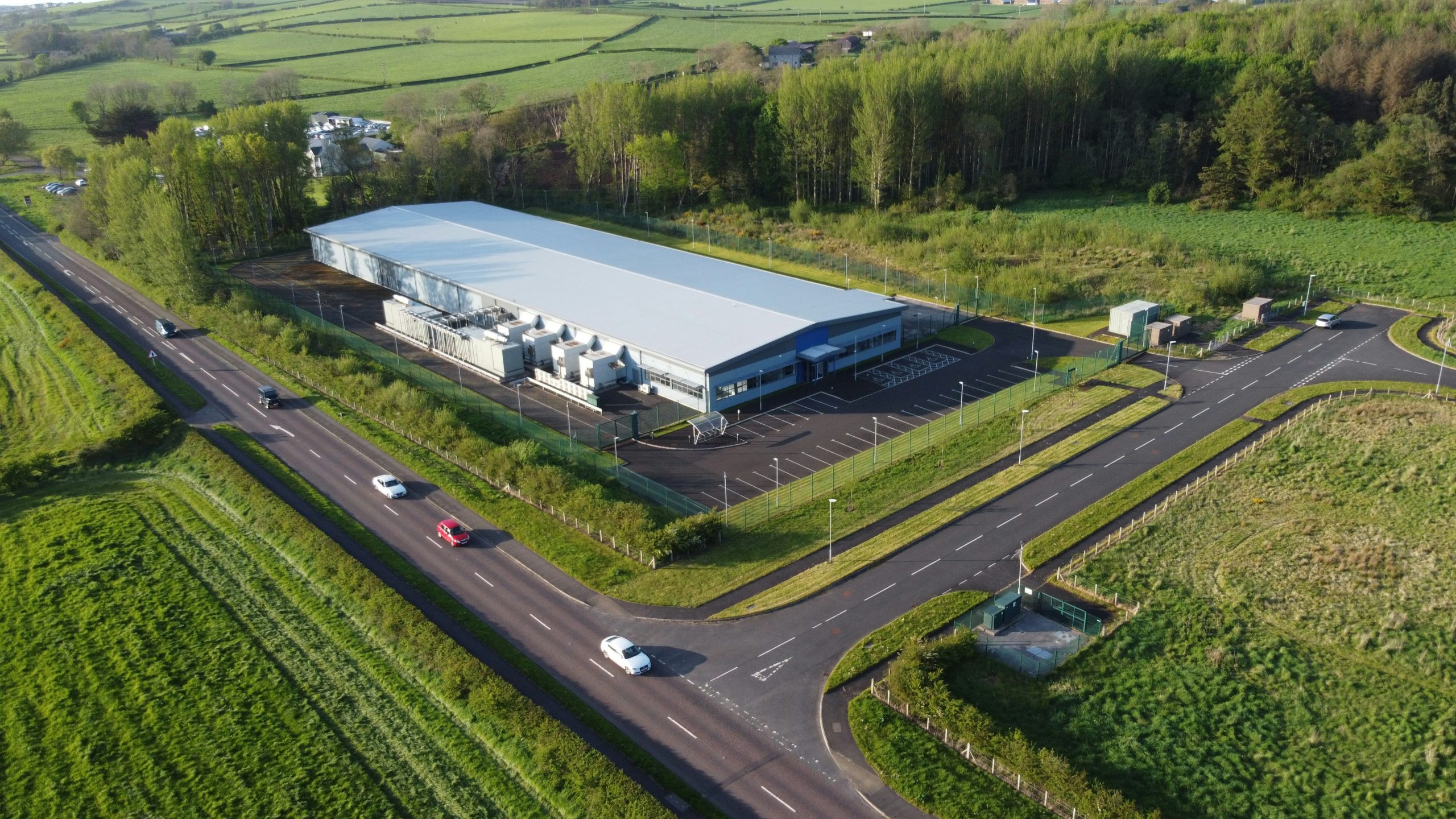
The decision to sell or lease your land to a data centre developer is significant and depends entirely on your specific property, the proposed deal’s structure, and your long-term personal and financial objectives. There is no single “right” answer; each approach carries distinct advantages and disadvantages that must be carefully weighed against your circumstances.
Comparing Selling, Leasing, and Option Agreements
Understanding the fundamental differences between these three primary methods of engagement is crucial for any landowner considering a data centre development.
Selling Your Land Outright
Selling your land involves a straightforward transfer of ownership. The developer acquires the freehold title, and you receive an agreed purchase price.
Control
Upon completion of the sale, you relinquish all control over the land. The developer then has full autonomy to develop the site as they see fit, within the bounds of planning permission. Your involvement ceases entirely.
Income
Income is typically a one-off lump sum payment. This provides immediate capital but no ongoing revenue stream from the land itself.
Timescales
The sale process can be relatively quick once terms are agreed, subject to due diligence and planning conditions. However, the initial negotiation phase and securing a buyer can take time.
Risk
Your risk is minimal once the sale is complete. You receive your payment and are no longer exposed to the risks associated with development, operational issues, or market fluctuations of the data centre industry.
Leasing Your Land
Leasing involves retaining ownership of your land while granting the data centre developer the right to use it for a specified period, typically many decades, in exchange for rent.
Control
You retain legal ownership of the land, which provides a degree of long-term control. However, during the lease term, the developer has operational control over the leased area. Lease agreements often include covenants and restrictions on the developer’s use, but your direct involvement in day-to-day operations is limited.
Income
Income is typically in the form of regular rental payments, often annually or quarterly, over the entire lease term. This provides a stable, long-term revenue stream, which may be subject to review periods and indexation.
Timescales
Lease negotiations can be complex and protracted due to the long-term nature of the commitment and the need to define numerous clauses. Once agreed, the lease term itself is usually 25, 40, 60, or even 99 years.
Risk
You retain ownership risk, including environmental liabilities (though these are often indemnified by the developer) and the risk associated with the developer’s solvency. At the end of the lease, you may inherit a developed site, which could be an asset or a liability depending on its condition and future use potential.
Option Agreements
An option agreement grants a developer the exclusive right to purchase or lease your land at a pre-agreed price or rent, within a specified timeframe, subject to certain conditions being met (e.g., securing planning permission). The developer pays an “option fee” for this right.
Control
You retain full control and ownership of your land during the option period, subject only to the developer’s exclusive right to exercise the option. You cannot sell or lease the land to another party during this time.
Income
Income typically comes from an initial, non-refundable option fee paid upfront. If the option is exercised, the agreed sale price or lease rent then applies. If the option is not exercised, you retain the fee and the land.
Timescales
Option periods can vary, often ranging from 12 months to several years, allowing the developer time to conduct due diligence and secure planning. The ultimate sale or lease occurs only if the option is exercised.
Risk
During the option period, your primary risk is that the option might not be exercised, meaning you’ve foregone other opportunities for a potentially modest option fee. However, if the option is exercised, the risk profile shifts to that of a sale or lease. If not exercised, you retain your land, along with the option fee.
Why is Independent Legal and Tax Advice Essential?

Navigating the complexities of land transactions, especially those involving significant commercial developments like data centres, demands expert guidance. This article provides general information, but it is emphatically not a substitute for professional counsel.
Legal Advice
A specialist property solicitor will draft and review all contracts, ensuring your interests are protected. They will scrutinise terms relating to access, environmental liabilities, planning conditions, indemnities, warranties, and potential clawback clauses or overage agreements. They will clarify rights of way, easements, and any restrictive covenants. Crucially, they will ensure the agreement accurately reflects your intentions and protects you from unforeseen legal burdens.
Tax Advice
Selling or leasing land has significant tax implications, including Capital Gains Tax (CGT), Income Tax, Corporation Tax (if the land is held by a company), and potentially Inheritance Tax. A qualified tax advisor will evaluate your individual or corporate tax position, advise on the most tax-efficient structure for the transaction, and help you understand your liabilities. They can identify opportunities for reliefs or exemptions and ensure compliance with all relevant tax laws, potentially saving you substantial sums. Without this advice, you risk making costly mistakes.
Why Does a Site’s Suitability Strengthen Your Position?

Understanding your land’s inherent suitability for data centre development before engaging with developers is a powerful negotiating tool. It moves you from a passive recipient of proposals to an informed vendor or lessor, capable of assessing the true value and potential of your asset.
Grid Proximity
Data centres are enormous consumers of electricity. Their viability is profoundly linked to proximity to high-voltage transmission lines or major substations. Knowing your land’s exact distance from the nearest suitable grid connection, and the available capacity at that connection point, immediately indicates its attractiveness. A site with easy, high-capacity grid access is far more valuable than one requiring extensive, costly new infrastructure.
Planning Risk
Planning permission is often the biggest hurdle for data centre developments. Researching the local planning authority’s (LPA) development plan, any specific policies relating to industrial or energy-intensive uses, and the site’s designation (e.g., Green Belt, Area of Outstanding Natural Beauty, industrial estate) provides a clear picture of potential planning challenges. Understanding this risk allows you to gauge the developer’s likely efforts and investment in securing permission, and consequently, the value they might place on your land. A site with a low planning risk is inherently more attractive.
Connectivity
Data centres are the backbone of the internet, requiring robust, low-latency fibre optic connectivity. Your land’s proximity to existing major fibre optic backbone routes is a critical determinant of its suitability. Sites with direct access to diverse fibre networks are highly prized, as they minimise the cost and complexity for the developer to establish essential network infrastructure. Knowing the available fibre routes near your site significantly enhances your negotiating stance.
Accessibility
Ease of access is vital for the construction and ongoing operation of a data centre. This includes access for heavy plant and machinery during the build phase, and for staff, equipment deliveries, and maintenance crews thereafter. Proximity to major road networks, and the ability to accommodate large vehicles without significant infrastructure upgrades, are key considerations. A site with established, unencumbered access reduces developer costs and timelines.
By understanding these critical factors, you can realistically assess your land’s value to a data centre developer. This knowledge enables you to identify serious developers, negotiate from a position of strength, and challenge terms that might otherwise undervalue your property. It allows you to enter discussions with confidence, knowing precisely what you are offering.
How Can TERMINUS Help Assess My Land?
TERMINUS provides a suite of land assessment services specifically designed to give landowners the crucial insights needed to understand their property’s suitability for data centre development. These reports empower you to engage with developers from a position of knowledge and strength.
Instant Classification Report (ICR)
The Instant Classification Report (ICR) offers a rapid, high-level overview of your site’s potential for data centre development. It provides an immediate “red, amber, or green” classification, indicating primary suitability based on key criteria. This report is ideal for quickly screening your land and understanding its initial viability without significant upfront investment. It answers the fundamental question: “Is my land even worth considering for a data centre?”
Land Intelligence Report (LIR)
The Land Intelligence Report (LIR) provides a more detailed analysis than the ICR. It delves deeper into the key factors affecting data centre development, offering specific data points and more granular assessment. The LIR will provide a clearer picture of grid availability, fibre proximity, and initial planning considerations, giving you a comprehensive understanding of the opportunities and potential challenges specific to your plot. This report is perfect for landowners who want to understand the specifics of their site’s suitability before committing to more in-depth analyses or developer engagements.
Full Parcel Viability (FPV)
The Full Parcel Viability (FPV) report is TERMINUS’s most comprehensive and in-depth assessment. This report offers a complete technical and commercial evaluation of your land’s data centre development potential. The FPV goes beyond suitability, providing a detailed analysis of all critical factors, including detailed grid capacity analysis, fibre infrastructure mapping, environmental considerations, and a thorough planning risk assessment. It aims to identify the optimal development strategy and potential value, offering robust data to support high-stakes negotiations. This report is for landowners who are serious about maximising their land’s value and require all the necessary information to make informed, strategic decisions.
These TERMINUS reports do not provide financial or legal advice, but they furnish you with the objective data points that will inform your discussions with legal and tax professionals, and ultimately, with potential data centre developers.
Frequently Asked Questions
| Metric | Sell | Lease | Considerations |
|---|---|---|---|
| Upfront Payment | High lump sum payment | Typically none or minimal | Immediate capital vs. ongoing income |
| Long-Term Income | None after sale | Regular lease payments over term | Steady cash flow vs. one-time gain |
| Control Over Land | Lost after sale | Retained ownership | Ability to repurpose land in future |
| Tax Implications | Capital gains tax on sale | Taxable rental income | Consult tax advisor for specifics |
| Maintenance & Liability | Developer responsible | Depends on lease terms | Potential ongoing responsibilities |
| Market Risk | One-time risk at sale | Risk of tenant default or vacancy | Consider developer’s reliability |
| Flexibility | None after sale | Lease terms can be negotiated | Ability to renegotiate or end lease |
| Development Impact | Developer controls land use | May influence lease terms | Consider environmental and community effects |
Can I lease farmland to a data centre?
Yes, it is possible to lease farmland for data centre development. Many data centres require large plots of land, and agricultural land, particularly if strategically located near infrastructure, can be highly suitable. However, converting farmland to an industrial use will almost certainly require a change of use planning permission, which can be complex and may face local opposition.
What is an option agreement?
An option agreement is a legally binding contract that grants a prospective buyer (the data centre developer) the exclusive right, but not the obligation, to purchase or lease your land at a pre-agreed price or rent, within a specified timeframe. In return for this exclusive right, the developer typically pays an “option fee” to the landowner. The option is usually contingent on certain conditions, most commonly the developer securing satisfactory planning permission for their proposed data centre.
How long does it take to develop a data centre?
The entire process from initial site acquisition to a fully operational data centre can take several years. Securing planning permission alone can take 12-24 months, sometimes longer. Construction can then take another 18-36 months, depending on the scale and complexity of the facility. The overall timeline is highly variable and depends on factors like planning authority efficiency, grid connection timescales, and supply chain availability.
Do not enter negotiations without understanding your land’s full potential. Get your land assessed by TERMINUS first, then talk terms.