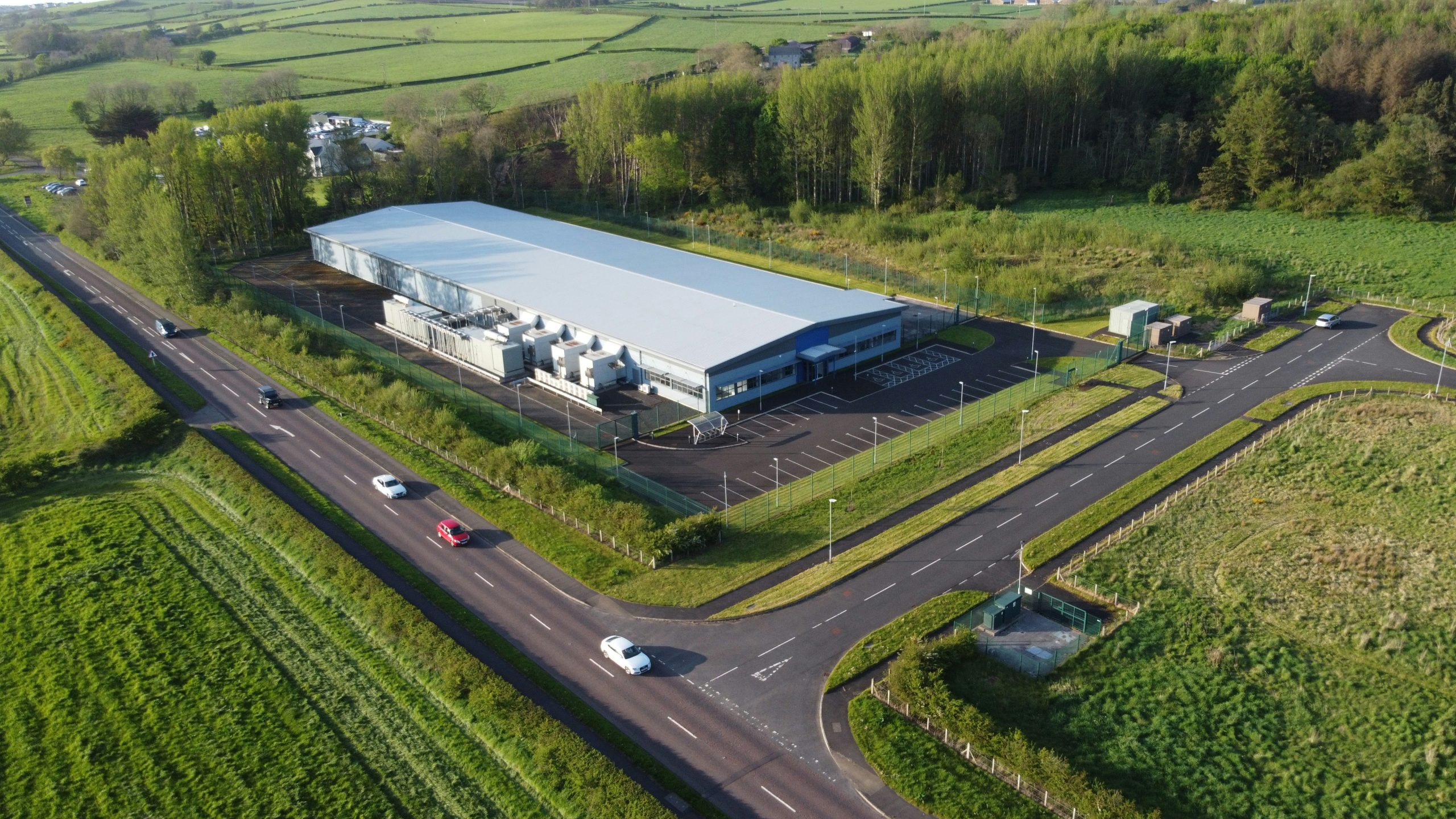
Tag: Landowners

  • Is Land With Data Centre Potential a Good Investment?

    Is Land With Data Centre Potential a Good Investment?

    Land with data centre potential can be highly attractive to investors and landowners, but it is crucial to understand that returns are entirely dependent on the specific site’s suitability, not merely the label “data centre potential.” This is a complex and capital-intensive sector where the intrinsic value of a parcel of land is dictated by its verifiable infrastructure and regulatory alignment, rather than broad market sentiment. Independent professional advice is essential before any commitment.

    What Are the Key Risks in Data Centre Land Investment?

    Investing in land earmarked for data centre development carries substantial risks that can severely impact viability and returns. Unlike more conventional land uses, data centres have extremely specific and non-negotiable requirements, making many seemingly suitable sites entirely unsuitable upon closer inspection. Understanding these risks upfront is paramount for any potential investor.

    Grid Delays and Capacity Constraints

    Perhaps the most significant risk is the availability and capacity of the electricity grid. Data centres are enormous consumers of power, often requiring many megawatts (MW) of dedicated supply. Securing this capacity is not just about proximity to a substation; it involves complex negotiations with Distribution Network Operators (DNOs) and National Grid. The process of upgrading local grid infrastructure, installing new substations, and securing high-voltage connections can take many years – often five to ten years or more – and incur immense costs, running into tens or even hundreds of millions of pounds. Without confirmed grid capacity and a realistic timeline for connection, any land, regardless of its other attributes, is effectively worthless for data centre development. Investors frequently underestimate the scale and lead time of grid upgrades, leading to projects being indefinitely stalled or abandoned.

    Planning Refusal and Regulatory Hurdles

    Planning permission for a data centre is far from guaranteed. Local authorities often have conflicting priorities: on one hand, they may recognise the economic benefits of such developments; on the other, they must contend with concerns about environmental impact, noise pollution (from cooling systems), visual impact of large, windowless buildings, increased traffic during construction, and the perceived energy footprint. The sheer scale of a modern data centre often means it is classified as a Nationally Significant Infrastructure Project (NSIP) or requires extensive environmental impact assessments. Navigating the planning system can be lengthy, costly, and subject to significant public opposition. A site might appear ideal but could be located within an area with strict planning policies, such as Green Belt land, Areas of Outstanding Natural Beauty, or near residential zones, making approval highly unlikely. Furthermore, regulatory landscapes are evolving, with increasing scrutiny on energy efficiency, renewable energy sourcing, and water consumption, adding layers of complexity to the planning process.

    Long Timescales and Capital Lock-up

    Data centre development is not a short-term endeavour. From site acquisition and initial due diligence to securing grid connections, obtaining planning permission, and finally construction, the entire process can easily span five to fifteen years. This protracted timeline means capital is locked up for extended periods, exposed to market fluctuations, interest rate changes, and evolving technological requirements. The initial investment in land is just the tip of the iceberg; significant funds are required for surveys, reports, legal fees, grid connection costs, and planning applications before a spade even touches the ground. Investors must have a robust financial capacity and a long-term outlook, understanding that liquidity will be constrained for many years.

    Speculative Buying Without Verified Suitability

    A common pitfall is the speculative acquisition of land based on its perceived proximity to existing data centres or major fibre routes, without undertaking rigorous, site-specific due diligence. Such purchases are often driven by hype rather than verifiable facts. Landowners or developers may market a parcel as having “data centre potential” without any firm grid capacity offers, detailed geological surveys, or pre-application planning consultations. Buying into such a proposition is highly speculative. The intrinsic value of data centre land is not determined by its general location but by its verified readiness for development, which includes confirmed power, fibre, and planning feasibility. Without this granular assessment, investors risk acquiring land that is fundamentally unsuitable, leading to significant financial losses when the reality of infrastructure constraints or planning barriers becomes apparent.

    Why Does Assessing Suitability Before Committing Capital Separate Informed Investors from Speculators?

    The difference between a successful data centre land investment and a costly speculative gamble lies entirely in the depth and rigour of the pre-acquisition assessment. Informed investors understand that a data centre site is a highly specialised asset whose value is derived from a unique confluence of technical, logistical, and regulatory factors. They recognise that the label “data centre potential” means little without a comprehensive, site-specific viability study.

    Power Availability and Resiliency

    The single most critical factor is power. A data centre cannot exist without a massive, reliable, and resilient power supply. Informed investors scrutinise:

    • Capacity: Is there sufficient megawatts available from the local grid?
    • Connection Point: What is the voltage and distance to the nearest suitable grid connection point?
    • Feasibility: Is it technically and financially feasible to upgrade existing infrastructure or build new infrastructure to serve the site?
    • Redundancy: Can the site be supplied by diverse power routes or substations to ensure resilience (N+1 or 2N redundancy)?
    • Timeline: What is the realistic timeline for securing and delivering the required power?
    • Cost: What are the estimated connection costs, reinforcement charges, and ongoing power tariffs?

    Speculators often assume power is simply “there” if a site is near a town or industrial estate. Informed investors commission detailed grid capacity studies and engage directly with DNOs and National Grid to get firm offers and timelines.

    Planning Feasibility and Local Authority Engagement

    Planning permission is not a checkbox; it is a complex, iterative process. Informed investors will:

    • Review Local Plans: Assess the site’s zoning and any specific policies that might impact data centre development.
    • Pre-application Discussions: Engage early with the local planning authority to gauge their appetite for a data centre, understand their concerns, and identify potential issues.
    • Environmental Impact Assessment: Commission preliminary studies for noise, air quality, visual impact, traffic, and ecology to identify red flags.
    • Stakeholder Engagement: Understand potential local opposition and strategise mitigation.

    Speculators might view planning as a bureaucratic hurdle to overcome later, potentially after purchase. Informed investors treat planning as a fundamental determinant of viability, often conducting extensive pre-application work before committing significant capital.

    Connectivity and Fibre Infrastructure

    Data centres are the hubs of the internet, requiring ultra-high-speed, redundant fibre optic connectivity to other networks and internet exchange points. Informed investors assess:

    • Fibre Proximity: Is the site near major long-haul fibre routes?
    • Carrier Diversity: Can the site access multiple, diverse fibre providers (Tier 1 carriers)?
    • Latency: How does the site’s location impact latency to key markets and peering points?
    • Redundancy: Are there diverse fibre entry points and routes available to ensure network resilience?

    Speculators might assume fibre is universally available. Informed investors verify existing fibre infrastructure, assess the cost and feasibility of extending fibre to the site, and evaluate the potential for carrier diversity.

    Accessibility and Logistics

    While not as critical as power or fibre, accessibility impacts construction costs, operational efficiency, and staff recruitment. Informed investors consider:

    • Road Network: Is there good access to major road networks for heavy construction vehicles and ongoing deliveries?
    • Labour Pool: Is there a local skilled labour pool for construction and ongoing operations?
    • Security: Can the site be securely accessed and monitored?
    • Topography and Geotechnical Conditions: Is the land relatively flat and stable, minimising expensive groundworks?

    Speculators might overlook logistical challenges that can add significant costs and delays. Informed investors ensure the site is practical for both construction and long-term operation.

    By systematically evaluating these critical factors before committing capital, informed investors de-risk their investment, transforming a high-stakes gamble into a calculated strategic acquisition. This rigorous due diligence prevents the purchase of “stranded assets” – land that looks promising but is fundamentally unusable for its intended purpose.

    How Can Data Centre Land Suitability Be Assessed?

    Assessing land for data centre suitability requires a multi-faceted approach, combining technical analysis, regulatory understanding, and market insight. It’s a complex process that moves far beyond a simple visual inspection or postcode analysis. Specialised tools and expert advice are crucial to navigate the intricacies of this sector.

    Utilising Advanced Screening Tools

    To efficiently filter out unsuitable sites and focus on those with genuine potential, advanced screening tools are invaluable. These tools leverage geospatial data, infrastructure maps, and planning policy information to provide an initial, high-level assessment.

    Instant Classification Report (ICR)

    An Instant Classification Report (ICR) provides a rapid, initial health check for a given land parcel. This report offers a quick, indicative assessment of a site’s basic suitability for data centre development. It typically highlights immediate red flags related to major infrastructure proximity (power lines, fibre routes) and some preliminary planning considerations (e.g., Green Belt status). The ICR is designed for a first-pass screening, allowing investors to quickly determine if a site warrants further, more detailed investigation without significant upfront investment in time or resources. It’s an essential tool for initial portfolio review or when evaluating numerous potential sites.

    Land Intelligence Report (LIR)

    The Land Intelligence Report (LIR) takes the assessment to the next level, offering a more comprehensive and detailed analysis. An LIR delves deeper into critical infrastructure, providing more granular insights into power availability, fibre connectivity, and potential planning constraints. This report synthesises various data points, including DNO network maps, fibre optic network overlays, flood risk data, and detailed planning policy extracts specific to the parcel. The LIR aims to provide a robust technical overview, identifying both opportunities and significant challenges. It helps investors understand the complexities of a site before engaging in costly on-the-ground surveys or extensive expert consultations. This report is ideal for narrowing down a shortlist of sites and understanding the specific hurdles each potential parcel presents.

    Full Parcel Viability (FPV)

    The Full Parcel Viability (FPV) assessment represents the most in-depth and comprehensive analysis. This is a full-scale due diligence report, providing a definitive viability statement for a specific land parcel. An FPV incorporates detailed site-specific investigations, including:

    • Grid Capacity Studies: Direct engagement with DNOs to secure formal grid connection offers and detailed timelines.
    • Geotechnical Surveys: Analysis of ground conditions, contamination, and topography.
    • Environmental Impact Assessments: Detailed studies on noise, air quality, ecology, and water usage.
    • Planning Policy Review: Expert interpretation of local and national planning policies and pre-application discussions with authorities.
    • Fibre Connectivity Audit: Verification of carrier diversity, fibre routes, and potential costs for connection.
    • Flood Risk and Natural Hazards: Comprehensive assessment of all environmental risks.
    • Access and Logistics Review: Detailed analysis of site accessibility for construction and operations.

    The FPV culminates in a clear assessment of a site’s technical, commercial, and regulatory viability, often accompanied by estimated timelines and cost implications for development. This report is critical before making any firm acquisition decisions or committing substantial development capital.

    Understanding the Importance of Holistic Due Diligence

    No single factor dictates a site’s suitability. A prime location with excellent fibre might be useless without sufficient power. Abundant power might be negated by insurmountable planning restrictions. Holistic due diligence considers the interplay of all critical elements:

    • Power: Is it available, resilient, cost-effective, and deliverable within a realistic timeframe?
    • Fibre: Is there diverse, high-capacity fibre, and is it accessible?
    • Planning: Is development likely to be permitted, and what are the associated conditions and timescales?
    • Geology: Are ground conditions stable, and is the site free from significant contamination or flood risk?
    • Logistics: Is the site accessible for construction and operations, and are there skilled labour resources nearby?
    • Environment: What are the environmental sensitivities and potential mitigation requirements?

    An informed investor employs a systematic process, starting with high-level screening (like an ICR), moving to detailed analysis (LIR), and culminating in comprehensive, site-specific investigations (FPV) before making any acquisition or development decisions. This phased approach saves time and money by ruling out unsuitable sites early and focusing resources on the most promising opportunities.

    Is Land With Data Centre Potential a Good Investment?

    This is the central question for many, and the direct answer is: potentially, but only if the ‘potential’ is rigorously verified and can be realised. It is not a guaranteed good investment by any means. The attractiveness of land for data centres is highly contextual and site-specific.

    The market for data centre capacity is experiencing robust growth globally, driven by cloud computing, AI, IoT, and increasing digital transformation. This strong demand often leads to high land values for truly viable sites. However, the scarcity of genuinely suitable sites – those with sufficient power, fibre, and planning feasibility – means that most land advertised as having “data centre potential” does not meet the stringent criteria.

    A good investment in this sector involves acquiring a site where the complex puzzle pieces of infrastructure, regulation, and logistics align perfectly, or where the challenges, though present, are surmountable within a viable timeframe and budget. This requires extensive due diligence that goes far beyond a simple location analysis.

    Investors who succeed in this space are those who understand the highly technical nature of data centre development. They do not merely buy land; they acquire access to critical infrastructure and a clear pathway to obtaining planning permission. Without verified grid capacity and a clear route to planning consent, any land purchase is a speculative gamble, irrespective of market demand for data centres.

    Returns, if realised, can be significant due to the high value placed on operational data centre assets. However, the path to achieving these returns is long, capital-intensive, and fraught with specific risks that are unique to this sector. It is imperative to remember that the value is not in the dirt itself, but in the verified ability to build and operate a high-demand, high-performance digital infrastructure asset on that dirt.

    How Do I Assess Land Before Buying?

    Metric Description Considerations Impact on Investment
    Location Proximity to major internet hubs and fiber optic networks Closer proximity reduces latency and connectivity costs High impact – better locations attract more tenants
    Power Availability Access to reliable and scalable electricity supply Data centers consume large amounts of power; renewable options preferred Critical – affects operational costs and sustainability
    Land Cost Price per acre or square foot of land Lower cost can improve ROI but may indicate less desirable location Moderate – balance cost with other factors
    Regulatory Environment Local zoning laws, permits, and data center-friendly policies Supportive regulations speed up development and reduce risks High – can make or break project feasibility
    Climate Temperature and humidity levels affecting cooling costs Cooler climates reduce cooling expenses and improve efficiency Moderate to High – impacts operational costs
    Water Availability Access to water for cooling systems Essential for certain cooling technologies; scarcity can be a risk Moderate – affects operational sustainability
    Market Demand Demand for data center space in the region Growing demand increases rental income potential High – drives revenue and occupancy rates
    Infrastructure Availability of roads, security, and backup systems Good infrastructure supports smooth operations and maintenance Moderate – influences operational reliability
    Environmental Risks Flood zones, seismic activity, and other natural hazards Higher risks increase insurance and mitigation costs High – affects long-term viability and insurance premiums

    Assessing land before buying, especially for a highly specialised use like a data centre, requires a structured and detailed approach. It involves a progressive funnel of investigation, starting broad and becoming increasingly granular.

    Initial Desktop Screening

    Begin with a high-level desktop assessment. This involves:

    • Location Analysis: Proximity to major fibre routes, existing data centre clusters, and electricity substations.
    • Basic Planning Review: Check the local planning authority’s website for the site’s zoning, any immediate planning designations (e.g., Green Belt, Conservation Area), and local plan policies.
    • Flood Risk: Utilise publicly available flood maps to assess basic flood risk.
    • Topography: Look at elevation maps to identify any steep gradients or significant groundworks challenges.
    • Access: Review satellite imagery for road access and potential ingress/egress points.

    Tools like the Instant Classification Report (ICR) are ideal for this stage, providing a rapid, indicative assessment to quickly filter out obviously unsuitable sites.

    Detailed Technical Analysis

    For sites that pass the initial screening, move to a more detailed technical investigation. This is where the bulk of the risk mitigation occurs:

    • Grid Capacity: Engage with the relevant Distribution Network Operator (DNO) to inquire about available capacity at nearby substations. Request budget estimates and timelines for connection. This often involves submitting a formal Point of Connection (POC) application.
    • Fibre Infrastructure: Identify major fibre providers in the area and investigate the proximity and availability of diverse fibre routes to the site. Obtain initial estimates for fibre connection costs and lead times.
    • Planning Pre-application: Initiate formal pre-application discussions with the local planning authority. Present a high-level concept for a data centre and solicit their feedback on planning policy alignment, potential concerns, and required assessments.
    • Environmental & Geotechnical Review: Commission preliminary environmental screens (e.g., noise, air quality, ecological desktop study) and a desk-based geotechnical assessment to identify potential ground conditions or contamination issues.
    • Utility Surveys: Identify all other utilities (water, gas, sewerage) and their proximity and capacity.

    A Land Intelligence Report (LIR) provides an excellent framework and synthesis of data for this stage, offering a comprehensive technical overview and highlighting key challenges that need deeper investigation.

    Full Due Diligence and Expert Consultation

    For the strongest candidate sites, a full-scale due diligence exercise is imperative before making any purchasing decision. This stage typically involves:

    • Formal Grid Connection Offer: Secure a firm offer from the DNO, including detailed costs, scope of works, and committed timelines. This is often a non-negotiable prerequisite.
    • Comprehensive Planning Strategy: Develop a detailed planning application strategy, commissioning all necessary expert reports (e.g., full Environmental Impact Assessment, noise assessments, visual impact assessments, traffic surveys).
    • Detailed Geotechnical Surveys: On-site boreholes and ground investigations to verify ground conditions, identify any contamination, and inform foundation design.
    • Legal Review: Thorough review of land titles, covenants, easements, and any potential legal encumbrances.
    • Cost & Timeline Modelling: Develop detailed financial models and project timelines incorporating all identified costs and lead times for infrastructure, planning, and construction.
    • Expert Consultation: Engage specialist data centre consultants, planning lawyers, grid connection consultants, and environmental consultants to provide expert advice and risk mitigation strategies.

    The Full Parcel Viability (FPV) assessment summarises and synthesises all these elements, offering a definitive statement on the site’s suitability and the associated development pathway. It is the cornerstone of an informed investment decision.

    Always seek independent professional advice tailored to your specific circumstances. Do not proceed without a comprehensive, multi-faceted assessment of the site’s viability.

    Screen your site first.

    Find out More

    Section Image

    Is Land With Data Centre Potential a Good Investment?

    Find Out More

  • Why Do Data Centre Land Deals Fall Through?

    Why Do Data Centre Land Deals Fall Through?

    Deals fall through mainly because sites were never properly verified. For landowners, agents, and investors, this oversight leads to wasted time, resources, and ultimately, missed opportunities. Thorough site assessment is not a luxury; it is a fundamental prerequisite for successful data centre development.

    Why Do Data Centre Deals Fall Through?

    The landscape of data centre development is complex, fraught with potential pitfalls that can derail even the most promising land deals. Many transactions collapse not due to a lack of interest or capital, but because fundamental site characteristics were overlooked or assumed rather than rigorously confirmed. The rigorous demands of data centres, from power to connectivity and environmental stability, mean that a site deemed suitable for other industrial uses may be entirely inappropriate for this specialised infrastructure. Understanding these common failure points is crucial for anyone involved in the data centre land market.

    Common Causes of Deal Failure

    • No Available Grid Capacity: The site lacks the immense, immediate power supply required by a data centre, with no viable upgrade path.
    • Planning Refusal: Local planning authorities reject development proposals due to zoning, visual impact, noise, or community concerns.
    • Access or Land Relief Problems: Poor road access hinders construction and ongoing operations, or the land’s topography makes development prohibitively expensive.
    • Flood or Environmental Constraints: The site is in a flood zone, contains protected habitats, or has significant contamination requiring costly remediation.
    • Title or Legal Issues: Ownership disputes, restrictive covenants, or complex easements prevent clear title transfer or site development.
    • Unrealistic Price Expectations: The vendor’s asking price does not reflect the significant costs and risks associated with developing the site for data centre use.

    These issues are not obscure; they are fundamental. The good news is that most can be identified and mitigated through early, diligent assessment.

    What is Early Screening and Desk-Based Assessment?

    Early screening and desk-based assessment are the initial, critical steps in evaluating a potential data centre site. This process involves leveraging readily available data, geospatial analysis, and expert knowledge to identify red flags and fundamental constraints before significant time, money, and effort are committed to a site. It is a proactive approach designed to filter out unsuitable parcels efficiently, allowing stakeholders to focus their resources on truly viable opportunities.

    The Power of Proactive Due Diligence

    Instead of waiting for planning applications to be rejected or grid connection requests to be denied, early screening provides a predictive analysis. It allows landowners to understand the true marketability of their land for data centre use, enabling them to set realistic expectations and address potential issues proactively. For agents, it means presenting genuinely viable sites to clients, enhancing credibility and accelerating deal cycles. Investors benefit by de-risking their pipeline, avoiding costly investigations into unbuildable land.

    This initial phase relies heavily on publicly available information, commercial datasets, and sophisticated analytical tools. It avoids the need for expensive ground investigations, detailed engineering studies, or lengthy consultations at this preliminary stage. The objective is to quickly ascertain whether a site passes the fundamental viability test for data centre development.

    Catching Problems Early

    By conducting comprehensive desk-based assessments, many of the common deal-breakers can be identified without ever setting foot on the site. This includes:

    • Grid Capacity: Initial assessments can leverage grid network maps and capacity reports to gauge the likelihood of sufficient power availability and the proximity to high-voltage transmission lines. While definitive confirmation requires engagement with network operators, a strong indication can be obtained early.
    • Planning Policy: Reviewing local development plans, zoning regulations, and previous planning precedents provides a clear picture of what is permissible on the site and the challenges likely to be encountered. Understanding the local authority’s stance on industrial development, particularly high-impact uses like data centres, is vital.
    • Topography and Access: Digital elevation models (DEMs) and satellite imagery offer insights into the site’s gradient, potential cut-and-fill requirements, and existing road networks. This can highlight prohibitive challenges for construction or operational logistics.
    • Environmental and Flood Risk: Environmental agency data, flood maps, and ecological records can immediately flag sites within flood plains, designated protected areas, or those with known contamination histories. These issues often represent insurmountable barriers or lead to significant remediation costs.
    • Title and Ownership Clues: While full legal due diligence is a later stage, initial checks via land registry records can sometimes reveal complex ownership structures or immediate red flags that warrant further investigation.

    Catching these problems early saves not only money but also invaluable time. It prevents the frustration of negotiating a deal, engaging legal teams, and initiating technical studies, only to discover a fundamental flaw that renders the site unusable.

    How Do Early Assessments Impact the Deal Lifecycle?

    Early assessments fundamentally transform the deal lifecycle for data centre land. They shift the risk identification process from reactive to proactive, ensuring that only the most promising sites proceed to the more resource-intensive stages of due diligence and negotiation. This strategic front-loading of critical information creates a more efficient, transparent, and ultimately, more successful transaction environment for all parties.

    Pre-Qualifying Sites with Precision

    Before any significant commitment of resources, an early assessment provides a robust pre-qualification of potential sites. This means:

    • For Landowners: Understanding the true data centre development potential of their asset. They can then market their land with confidence, providing prospective buyers with verified insights rather than broad assumptions. This transparency can accelerate sales and lead to more realistic price negotiations.
    • For Agents: Enhancing their ability to identify and present truly viable options to their clients. This not only builds trust but also significantly reduces the time wasted on unsuitable parcels, allowing them to focus on transactions with a higher probability of success. A pre-vetted site is a highly marketable site.
    • For Investors: De-risking their investment pipeline from the outset. By quickly eliminating sites with fundamental flaws, investors can deploy their capital more effectively, focusing their detailed due diligence efforts on sites that genuinely meet their strict criteria for power, connectivity, and developability.

    This pre-qualification process acts as a crucial filter, ensuring that resources are not expended on futile pursuits. It streamlines the entire acquisition process, from initial inquiry to final closing.

    Streamlining Due Diligence

    Once a site has passed the early assessment, the subsequent stages of due diligence become far more targeted and efficient. Rather than starting from scratch, detailed investigations can focus on confirming the preliminary findings and delving deeper into specific aspects that require on-the-ground verification.

    • Targeted Investigations: Knowing the potential constraints upfront allows for specific surveys and reports to be commissioned. For instance, if an early assessment flags potential ground contamination, environmental consultants can be engaged specifically for a Phase I or Phase II assessment without needing to first ascertain basic planning viability.
    • Informed Negotiations: With a clear understanding of a site’s strengths and weaknesses, all parties can enter negotiations with greater clarity. Landowners can justify their asking price based on verified potential, while buyers can factor in any identified remediation costs or development challenges accurately.
    • Reduced Time to Close: By proactively identifying and addressing issues, the likelihood of unexpected roadblocks emerging late in the deal is significantly reduced. This translates to a shorter overall transaction timeline, which is a considerable advantage in the fast-paced data centre market. The quicker a deal closes, the sooner development can commence, and revenue generation can begin.

    The value of early assessment extends beyond simply avoiding bad deals; it actively contributes to the successful and timely execution of good deals. It transforms the often arduous process of land acquisition into a more predictable and manageable endeavor.

    Why Do Data Centre Land Deals Fail? Common Pitfalls Analysed

    Data centre land deals are exceptionally demanding, requiring a confluence of very specific site attributes to succeed. The reasons for failure are often multifaceted, stemming from a lack of critical infrastructure, regulatory hurdles, or complex site conditions that render development either impossible or economically unviable. A deeper dive into these common pitfalls reveals why a comprehensive early assessment is non-negotiable.

    The Power Paradox: Grid Capacity and Connectivity

    The single most critical requirement for any data centre is power, and lots of it. Data centres are essentially giant power consumption engines. A site, regardless of its other merits, is fundamentally unsuitable if it cannot access the requisite megawatts.

    • Insufficient Grid Capacity: Many seemingly ideal industrial sites lack the immediate high-voltage grid connection capacity required by a modern data centre. Even if a substation is nearby, the available capacity may be fully allocated or insufficient for the demands of a multi-megawatt facility.
    • Prohibitive Upgrade Costs: Securing a new grid connection or upgrading existing infrastructure can involve astronomical costs and lengthy timelines, often stretching for years. These costs and delays can render a project financially unfeasible long before construction begins.
    • Transmission Line Proximity: While proximity to high-voltage transmission lines is desirable, ensuring the ability to tap into that network, and secure sufficient dedicated capacity, is the real challenge. It’s not just about seeing the pylons; it’s about the connection infrastructure.

    Beyond power, robust and diverse fibre optic connectivity is also paramount. A site without existing fibre infrastructure, or where the cost of bringing it in is too high, will present a significant barrier. Data centres must have resilient, low-latency connections to global networks.

    Navigating the Regulatory Minefield: Planning and Environmental Issues

    Planning permission for a data centre is far from a formality. These developments are often large-scale, visually prominent, and can generate significant noise and traffic, making them subject to intense scrutiny from planning authorities and local communities.

    • Zoning Restrictions: The most straightforward planning hurdle is often unsuitable zoning. Land designated for agricultural, residential, or even light industrial use may be incompatible with the heavy industrial classification of a data centre. Securing a change of use can be a protracted and uncertain process.
    • Local Plan Conflicts: Sites may conflict with specific policies outlined in local development plans, such as those protecting green belts, areas of outstanding natural beauty, or sites earmarked for alternative strategic development.
    • Community Opposition: Data centre developments can face strong local opposition due to concerns about noise pollution from cooling systems, increased traffic, visual impact, and environmental footprint, particularly concerning water usage for cooling.
    • Environmental Constraints: Sites may fall within flood zones, contain protected species or habitats, or require extensive archaeological investigation. These issues can lead to outright refusal, impose onerous conditions, or necessitate costly mitigation strategies that undermine project viability. Contaminated land, requiring extensive and expensive remediation, is another common deal-breaker.

    The Physical Reality: Access, Topography, and Ground Conditions

    The physical characteristics of a site, often overlooked in initial desktop reviews, can present significant and costly challenges.

    • Access Limitations: Adequate access is critical for both the construction phase (heavy machinery, large components) and ongoing operations (fuel deliveries, maintenance, personnel). Narrow roads, weight-restricted bridges, or complex urban approaches can make development impractical.
    • Challenging Topography: Extremely sloped or uneven land requires significant cut-and-fill operations, adding substantial costs and time to the construction phase. Conversely, perfectly flat land is also not always ideal, as it can exacerbate drainage issues.
    • Unfavourable Ground Conditions: Poor ground conditions, such as unstable soil, peat, or a high water table, necessitate deep piling or extensive ground stabilisation, massively increasing foundation costs and construction complexity. Identifying these issues early avoids unwelcome surprises.
    • Hydrology and Drainage: Effective drainage is essential. Sites prone to waterlogging or requiring extensive new drainage infrastructure can quickly become cost-prohibitive. Data centres require stable and dry foundations.

    The Legal and Financial Labyrinth: Title and Price Expectations

    Beyond the physical and infrastructural, legal complexities and financial misalignments frequently cause deals to collapse.

    • Complex Title Issues: Unclear ownership, multiple stakeholders, restrictive covenants, or existing easements (e.g., utility lines, rights of way) can render a site unsuitable. Resolving these legal complexities can be time-consuming, expensive, or even impossible.
    • Unrealistic Price Expectations: Landowners often overvalue their parcels, especially when they perceive a high demand from data centre developers. However, the true value of land for data centres must factor in the immense capital expenditure required for power, connectivity, and complex builds, as well as the significant risks involved. An unrealistic asking price, failing to account for these development realities, is a primary reason for deals failing to close.
    • Developer-Specific Requirements: Every data centre developer has unique requirements concerning redundancy, scale, timeline, and budget. A site that is perfect for one developer might be entirely unsuitable for another, leading to a mismatch if these specific needs are not understood early.

    By understanding these multifaceted challenges, stakeholders can appreciate the necessity of robust, early-stage site verification. It is the only way to navigate the complexities of data centre land acquisition successfully.

    How TERMINUS Streamlines Site Verification

    Reason for Deal Falling Through Percentage of Cases Common Challenges
    Regulatory and Zoning Issues 35% Delays in permits, zoning restrictions, environmental compliance
    Infrastructure Limitations 25% Insufficient power supply, lack of fiber connectivity, poor transport links
    Land Title and Ownership Disputes 15% Unclear ownership, legal disputes, encumbrances on land
    Financial and Investment Issues 15% Funding shortfalls, valuation disagreements, market volatility
    Environmental and Community Concerns 10% Local opposition, environmental impact assessments, noise and traffic concerns

    TERMINUS provides a structured, tiered approach to site verification, allowing landowners, agents, and investors to gain increasingly detailed insights into a site’s data centre development potential without unnecessary expenditure. This systematic methodology ensures that critical information is unearthed at the appropriate stage, catching problems before they escalate.

    Instant Classification Report (ICR)

    The Instant Classification Report (ICR) is the first, rapid-response tier of assessment. It provides an immediate, high-level overview of a site’s fundamental suitability for data centre development. Think of it as a quick ‘go/no-go’ decision-maker. The ICR leverages readily available geospatial data and analytical algorithms to highlight immediate red flags or strong indicators of potential.

    The ICR is designed for speed and breadth. It answers the initial question: “Is this site even worth looking at?” It filters out sites that have obvious, insurmountable constraints from the outset, preventing any further time or resource investment. This report is invaluable for quickly sifting through a large number of potential sites to identify a shortlist for more detailed investigation.

    Land Intelligence Report (LIR)

    For sites that pass the initial ICR screening, the Land Intelligence Report (LIR) provides a more comprehensive, desk-based assessment. This tier delves deeper into specific viability factors, building upon the foundations laid by the ICR. The LIR involves a more granular analysis of critical attributes that are essential for data centre development.

    The LIR is perfect for validating the potential of shortlisted sites. It provides a robust, data-driven foundation for informed decision-making before committing to expensive ground investigations or detailed engineering studies. It focuses on quantifiable data and clear identification of major challenges, giving a clearer picture of development risks and opportunities.

    Full Parcel Viability (FPV)

    The Full Parcel Viability (FPV) report represents the most exhaustive desk-based assessment offered by TERMINUS. This tier provides an in-depth, multi-faceted analysis, compiling all available data to present a holistic picture of a site’s suitability and any remaining risks. The FPV is tailored to those sites that have demonstrated strong potential through the ICR and LIR stages and are now under serious consideration for acquisition or development.

    The FPV is the definitive desk-based assessment, equipping stakeholders with a comprehensive understanding of a site’s data centre potential. It provides the detailed context necessary to proceed with full due diligence, negotiate confidently, and make strategic investment decisions.

    Each TERMINUS tier builds upon the previous one, offering increasing levels of detail and insight. This tiered approach is cost-effective, ensuring that deeper, more resource-intensive investigations are only conducted on sites that genuinely merit further consideration. It’s about smart, sequential de-risking of data centre land deals.

    Frequently Asked Questions

    What are the main reasons data centre land deals fail?

    The main reasons data centre land deals fail include insufficient grid power capacity, insurmountable planning and environmental restrictions, poor site access or challenging topography, unresolvable title or legal issues, and unrealistic price expectations from vendors. These fundamental issues often render a site unsuitable for the specific demands of a data centre.

    Why is grid capacity so important for data centres?

    Grid capacity is paramount because data centres consume enormous amounts of electricity, often tens or even hundreds of megawatts. Without immediate access to this high-voltage, high-capacity power, or a clear and cost-effective path to secure it, a site is fundamentally non-viable for data centre development. Power is the lifeblood of a data centre.

    Can planning problems always be identified early?

    Many planning problems, such as zoning restrictions, conflicts with local development plans, and designation within protected areas (e.g., green belt, flood plain), can often be identified through early desk-based assessments using publicly available planning documents and geospatial data. While community opposition or specific planning officer interpretations require later engagement, the fundamental policy constraints are usually discoverable upfront.

    What kind of searches are important for data centre land?

    Key searches for data centre land include assessing grid capacity and proximity to transmission lines, reviewing local planning policies and zoning, analysing environmental constraints (flood risk, ecological designations), evaluating topographical data and access routes, and conducting initial title checks for ownership and restrictive covenants. These searches provide a holistic view of site viability.

    How do TERMINUS reports help with due diligence?

    TERMINUS reports streamline due diligence by front-loading critical information. The Instant Classification Report (ICR) quickly filters out unsuitable sites. The Land Intelligence Report (LIR) then provides a more detailed desk-based assessment of shortlisted sites, highlighting key risks and opportunities. Finally, the Full Parcel Viability (FPV) report delivers an exhaustive analysis, allowing stakeholders to conduct targeted, efficient, and cost-effective on-the-ground due diligence, focusing only on viable parcels. This tiered approach saves significant time and money by de-risking deals early.

    Verify your site first. Do not waste time and money on unbuildable land.

    Find out More

    Section Image

    Why Do Data Centre Land Deals Fall Through?

    Find Out More

  • Can Agricultural Land Be Converted for Data Centre Development?

    Can Agricultural Land Be Converted for Data Centre Development?

    Can Agricultural Land Be Converted for Data Centre Development?

    Yes, agricultural land can absolutely be considered for data centre development. For farmers and landowners, this presents a significant, often unprecedented opportunity to unlock substantial new value from their property without necessarily having to sell it outright. The evolving digital economy is creating new demands for land, and your agricultural holdings could be ideally placed to meet them.

    Is My Farmland Suitable for a Data Centre?

    The suitability of agricultural land for data centre development is a complex equation, but several key factors contribute to its attractiveness or, conversely, render it unsuitable. Developers are seeking a very specific set of characteristics that allow for efficient, cost-effective, and secure operations.

    What Makes Farmland Attractive?

    Firstly, the sheer space that agricultural land offers is a major draw. Data centres require extensive footprints, not just for the facility itself, but also for buffer zones, security, and associated infrastructure such as substations and fibre optic cable landing points. Greenfield sites often provide this expansive canvas without the complications of demolition or extensive ground remediation found in brownfield developments. This means less upfront cost and a faster development timeline for the operator.

    Location is another critical element. While seemingly counterintuitive for remote agricultural land, proximity to major fibre optic trunk routes is paramount. Data centres are the backbone of the internet, and seamless, high-speed connectivity to global networks is non-negotiable. Land situated within a reasonable distance of these existing fibre networks or with the potential for new high-capacity fibre connections to be brought to the site gains a significant advantage. Furthermore, a location that offers good road access for construction, maintenance, and the delivery of heavy equipment is also beneficial, though less critical than fibre.

    Power availability is perhaps the single most important factor. Data centres are voracious consumers of electricity, operating 24/7 to power servers, cooling systems, and ancillary equipment. Land that is close to high-voltage transmission lines or existing grid infrastructure with significant available capacity is highly desirable. Developers will investigate the feasibility and cost of establishing a new substation or upgrading an existing one to meet their colossal power demands. A site with a ready supply of clean, renewable energy potential, such as proximity to large-scale solar or wind farms, can also be a significant bonus, aligning with corporate sustainability goals.

    The topography and ground conditions of the land also play a role. Relatively flat, stable ground reduces construction costs and minimises the need for extensive earthworks or complex foundation designs. Areas prone to flooding, seismic activity, or with challenging ground conditions (e.g., peat, rock requiring blasting) are generally avoided due to the associated risks and prohibitive costs. The absence of significant ecological designations or archaeological sensitivities is also preferred, as these can introduce lengthy and costly planning delays.

    Finally, the social and political context of the area can be a factor. While not directly related to the land’s physical attributes, a region with a supportive local planning authority and community, coupled with a generally positive attitude towards industrial development and job creation, can smooth the path for a project.

    What Might Render Farmland Unsuitable?

    Conversely, several factors can make agricultural land less attractive or entirely unsuitable for data centre development.

    The most common deal-breaker is a lack of power availability. If the existing grid infrastructure is insufficient, or if the cost and time required to bring the necessary power to the site are too great, the project is unlikely to proceed. This is often the primary reason why otherwise promising sites are discarded.

    Poor fibre connectivity is another critical barrier. If the land is too remote from existing high-capacity fibre networks, and the cost and logistics of laying new fibre are prohibitive, it becomes unviable. Data centres cannot function without robust, redundant, and high-speed data connections.

    Significant environmental constraints can also be a major impediment. Sites within designated Areas of Outstanding Natural Beauty (AONB), National Parks, Sites of Special Scientific Interest (SSSI), or with rare ecological habitats or protected species present substantial planning hurdles and can often lead to outright refusal. Similarly, land with known archaeological significance can trigger extensive and costly surveys, excavations, and mitigation measures, making development impractical.

    Challenging ground conditions such as a high water table, unstable ground, or the presence of contaminants can significantly increase construction costs and timelines, making a site less competitive. Developers are looking for straightforward, buildable land.

    Finally, unfavourable planning policy or strong local opposition can halt projects in their tracks. If the local development plan explicitly restricts industrial development on agricultural land, or if there is intense community resistance to a large-scale industrial facility, the likelihood of securing planning permission diminishes significantly.

    How Can My Land Now Generate New Income?

    The digital transformation is not just about technology; it’s also about land. For landowners, this shift opens up entirely new revenue streams that were previously unimaginable for traditional agricultural holdings. Your land is no longer solely valued for its crop yield or livestock capacity; it now has potential as a critical piece of global digital infrastructure.

    The Opportunity of Long Lease Options

    A significant advantage for landowners in the data centre sector is the prevalence of long lease options rather than outright land sales. This means you don’t necessarily have to divest yourself of your asset. Instead, a developer might enter into a long-term agreement – often 30, 40, or even 50 years – to lease the land for the construction and operation of a data centre. This model offers several compelling benefits:

    Firstly, it provides a stable, predictable, and substantial income stream for decades. Unlike the fluctuations of agricultural markets, lease payments for a data centre site are typically fixed or subject to pre-agreed indexation, offering financial security and allowing for long-term financial planning. This can be transformative for a family farm, providing capital for diversification, reinvestment, or retirement.

    Secondly, you retain ownership of the freehold. At the end of the lease term, the land (potentially with the infrastructure, depending on the agreement) reverts to your control. This means your asset continues to appreciate in value over time, and you benefit from future development potential or alternative uses. It’s a way to unlock capital now while preserving your legacy.

    Thirdly, these agreements often come with significant upfront payments during the option period and upon commencement of the lease, providing immediate liquidity. This can be crucial for addressing existing financial commitments or funding new ventures.

    Understanding Land Value for Digital Infrastructure

    The value of land for data centre development is often vastly different from its agricultural value. It’s not about acres for growing crops; it’s about megabytes and megawatts. The proximity to power and fibre, the size and flatness of the site, and the ease of obtaining planning permission all contribute to a significantly higher per-acre valuation compared to traditional agricultural land. This means that even a relatively small portion of your farm could generate an income that dwarfs its agricultural output.

    Furthermore, the demand for data centre space is projected to continue growing exponentially. As more of our lives move online, and technologies like AI, IoT, and autonomous vehicles become mainstream, the need for secure, high-capacity data storage and processing facilities will only intensify. This sustained demand places landowners with suitable sites in a strong negotiating position.

    This new potential isn’t just a fleeting trend; it’s a fundamental shift in land economics driven by global digital imperatives. By understanding these opportunities, landowners can proactively explore how their assets fit into this burgeoning sector and secure their financial future for generations.

    What Does the Assessment Process Involve?

    The journey from initial interest to a signed lease agreement for a data centre site is a structured and rigorous process designed to de-risk the investment for the developer. It typically involves several distinct stages, each narrowing down the pool of potential sites.

    Initial Screening: The Broad Brush

    The very first step is often an initial screening, which might be largely desk-based and rapid. Developers, or more commonly, their land agents or consultants, will use platforms like TERMINUS to identify large tracts of land that broadly meet their spatial, connectivity, and power proximity requirements. This stage filters out sites that are immediately unsuitable due to size, obvious environmental designations, or extreme remoteness from critical infrastructure. Landowners won’t typically be involved at this stage; it’s an internal filtering process.

    At this juncture, key parameters like minimum site area, distance to high-voltage transmission lines, and proximity to major fibre routes are rapidly assessed. TERMINUS’s Instant Classification Report (ICR) could be invaluable here, providing a quick, high-level overview of a parcel’s potential characteristics based on publicly available data layers. This allows developers to quickly compile a longlist of potentially viable sites.

    Desk-Based Assessment: Digging Deeper

    Once a longlist is established, a more detailed desk-based assessment commences. This involves a much deeper dive into publicly available data and, sometimes, proprietary datasets. Key areas of investigation include:

    • Detailed Power Analysis: Verifying the exact location of substations and transmission lines, understanding their capacity, and estimating the cost and timeline for grid connections. This is often the most critical aspect of the desk-based assessment.
    • Fibre Optic Connectivity: Identifying existing fibre routes, assessing their capacity, and planning potential new fibre links to the site.
    • Planning Policy Review: Thoroughly examining the local planning authority’s development plan, identifying any specific designations (e.g., Green Belt, AONB), and understanding the likelihood of securing planning consent for an industrial development.
    • Environmental Constraints: Detailed mapping of ecological designations, flood zones, heritage assets, and potential contamination risks.
    • Topographical and Geological Review: Assessing the lie of the land, potential slopes, and broad geological characteristics that might impact construction.
    • Access and Transport: Evaluating existing road infrastructure and potential for upgrades to accommodate heavy vehicle movements during construction and operation.
    • Ownership and Title: Initial checks on land ownership and any obvious encumbrances.

    At this stage, platforms like TERMINUS’s Land Intelligence Report (LIR) become incredibly useful. This report aggregates a vast array of geospatial data, planning policies, and environmental information, presenting a comprehensive picture of a parcel’s characteristics without the need for a physical site visit. It allows developers to refine their shortlist, discarding sites that present significant red flags or appear to be prohibitively expensive to develop.

    Landowners might be approached for initial discussions during or after this stage, especially if a site looks particularly promising but requires clarification on certain aspects or access to non-public information.

    Site Visit & Initial Offer: On-the-Ground Verification

    Only after a site has successfully passed the rigorous desk-based assessment will a site visit be arranged. This is a critical milestone. It allows the development team to:

    • Verify Desk-Based Findings: Confirm the accuracy of maps and data with the reality on the ground.
    • Assess Site Context: Understand the surrounding environment, local community, and visual impact.
    • Identify Unforeseen Issues: Spot potential challenges not visible on maps, such as difficult access points, watercourses, or existing ground conditions.
    • Meet the Landowner: Establish a direct relationship and discuss the project in more detail.

    Following a successful site visit, and if the developer remains confident in the site’s viability, an initial offer or Heads of Terms for an option agreement would typically be presented to the landowner. This offer would outline the proposed commercial terms, including the option fee, lease payments, and duration. This is the point where serious negotiations begin, potentially leading to due diligence and legal agreements. TERMINUS’s Full Parcel Viability (FPV) offering can further support this stage, providing a deeper, more tailored analysis, helping both developers and landowners understand the full potential and any remaining risks associated with a specific parcel.

    What About Planning Permission?

    Securing planning permission is arguably the most significant hurdle for any data centre development on agricultural land. It’s a rigorous process that requires careful navigation of local and national planning policies, environmental considerations, and community engagement.

    Navigating Local Planning Policy

    Data centres are typically classified as industrial or sui generis (unique) developments. Their scale, appearance, and operational characteristics mean they often require full planning applications. Local planning authorities (LPAs) will assess applications against their adopted Local Plan, which sets out policies for land use and development within their jurisdiction.

    Key considerations for an LPA will include:

    • Loss of Agricultural Land: While central government policy generally seeks to protect the best and most versatile (BMV) agricultural land, the economic benefits and national infrastructure importance of data centres can sometimes outweigh this. However, proposals on BMV land will face greater scrutiny.
    • Impact on Green Belt: Development within the Green Belt is subject to very strict controls, and ‘inappropriate development’ is only permitted in ‘very special circumstances.’ Data centres on Green Belt land face an extremely challenging planning environment.
    • Landscape and Visual Impact: The sheer size of data centre buildings and associated infrastructure (e.g., cooling towers, substations) means that visual impact is a significant concern, especially in rural landscapes. Mitigation measures, such as landscaping, earthworks, and design choices, are crucial.
    • Environmental Impact: This covers a broad range of issues, including noise from cooling equipment, air quality (especially from backup generators), water usage for cooling, and waste management. An Environmental Impact Assessment (EIA) is often required.
    • Traffic and Access: The impact of construction traffic and operational vehicle movements on local roads.
    • Biodiversity Net Gain: Developers are now typically required to demonstrate a 10% biodiversity net gain, meaning the development must leave biodiversity in a better state than it was before.
    • Sustainability and Energy Efficiency: LPAs will expect proposals to demonstrate high levels of energy efficiency, ideally incorporating renewable energy sources and sustainable construction methods.

    The Role of Environmental Impact Assessments (EIAs)

    Given the scale and potential impacts of data centres, an Environmental Impact Assessment (EIA) is frequently a mandatory requirement under UK planning regulations. An EIA involves a comprehensive study of the potential environmental effects of the proposed development, covering areas such as:

    • Landscape and visual amenity
    • Ecology and biodiversity
    • Noise and vibration
    • Air quality
    • Water resources
    • Traffic and transport
    • Cultural heritage and archaeology
    • Socio-economic effects

    The findings of the EIA are compiled into an Environmental Statement (ES), which accompanies the planning application and is subject to public consultation. This process is time-consuming and costly but essential for addressing potential concerns and demonstrating how impacts will be mitigated.

    Community Engagement

    Effective community engagement is increasingly vital. Developers will typically hold public exhibitions and consultations to inform local residents about the proposals, address concerns, and gather feedback. A well-managed engagement process can help build local support or, at the very least, identify and mitigate sources of opposition. Ignoring community concerns can lead to protracted battles at planning committee meetings, or even costly appeals.

    The Planning Timeline

    Securing planning permission for a data centre can be a lengthy process, often taking 12-24 months or even longer, particularly for complex sites requiring EIA and extensive consultation. Developers factor this timeline into their project schedules and commercial agreements with landowners. The “option period” in a lease agreement is specifically designed to allow the developer sufficient time to navigate the planning process before committing to the full lease.

    What Questions Should I Be Asking?

    Metric Description Considerations Impact
    Land Zoning Regulations Legal classification of land use Requires rezoning approval for data centre use May delay or prevent conversion
    Soil Quality Suitability of soil for construction Needs assessment for foundation stability Influences construction cost and feasibility
    Environmental Impact Effect on local ecosystem and biodiversity Requires environmental impact assessment Potential restrictions or mitigation measures
    Water Availability Access to water for cooling systems Must ensure sustainable water supply Critical for data centre operation
    Energy Infrastructure Proximity to power grid and renewable sources Needs reliable and sufficient energy supply Impacts operational efficiency and costs
    Land Size Area available for development Must meet minimum size requirements for data centre Determines scale of data centre
    Community Impact Effect on local population and agriculture May face opposition from farmers and residents Influences approval and social license
    Economic Benefits Job creation and local investment Potential to boost local economy Supports justification for land conversion

    As a landowner considering the potential of your agricultural land for data centre development, it’s crucial to be proactive and ask the right questions to ensure you fully understand the implications and protect your interests.

    Questions for Potential Developers

    When approached by a developer or their agent, don’t hesitate to seek clarity on these key points:

    • What is your experience in developing data centres, specifically in the UK/Europe? Understand their track record and capabilities.
    • What is the anticipated power requirement for the proposed data centre (in MW)? This gives you an idea of the scale of the operation.
    • What is your planned timeline for the project, from option agreement to commencement of lease, and then construction? Understanding the duration of each phase is important for your financial planning.
    • What are the specific environmental and planning challenges you foresee for my particular site? This shows their initial assessment and how realistic they are.
    • What kind of community engagement do you plan to undertake? A responsible developer will have a clear strategy.
    • Can you provide references from other landowners you’ve worked with? Due diligence works both ways.
    • What is the proposed structure of the agreement (e.g., option to lease, direct lease)? Understand the legal framework.
    • What are the proposed commercial terms (option fee, annual rent, rent review mechanisms, duration)? This is fundamental.
    • Who will be responsible for obtaining planning permission and all associated costs (e.g., EIA, surveys, legal fees)? Typically, this falls to the developer.
    • What happens if planning permission is refused or subject to unacceptable conditions? Clarify exit clauses.
    • What are your expectations regarding site access, land remediation, and reinstatement at the end of the lease? Ensure clarity on obligations.

    Questions for My Advisors (Solicitor, Land Agent)

    Engaging experienced professional advisors is non-negotiable. They will help you navigate the complexities and protect your interests.

    • What is a fair market value for an option and lease agreement for my land, given its specific characteristics and the current market? Your land agent will provide valuation expertise.
    • What are the tax implications of entering into such an agreement (e.g., Capital Gains Tax, Inheritance Tax, VAT)? Your accountant or tax advisor is essential here.
    • What are the critical clauses I need to pay attention to in an option or lease agreement? Your solicitor will guide you through the legal intricacies, ensuring you understand rights, obligations, and risks.
    • How long should the option period be, and what constitutes a “trigger” for the lease commencement? Ensure the timeframe is reasonable and clear.
    • What are the implications for my existing farming operations, tenants, or agricultural subsidies? Address any potential conflicts or changes.
    • How can we ensure adequate protection against potential environmental damage during construction and operation? Your solicitor can draft protective clauses.
    • What mechanisms are in place for resolving disputes during the term of the lease?
    • What happens to the land and any infrastructure at the end of the lease term? Clarify reinstatement clauses.

    By asking these questions, you empower yourself with knowledge, ensuring you make informed decisions that benefit your family and your land for generations.

    Frequently Asked Questions

    What is the minimum land size required?

    While it varies, developers typically look for sites of at least 10-20 acres, with larger sites (50+ acres) often preferred for future expansion and buffer zones.

    Will I have to sell my land?

    Not necessarily. Many agreements are long-term leases (30-50 years), allowing you to retain freehold ownership and receive substantial, predictable income.

    How long does the process take?

    From initial interest to the start of construction, the process can take 2-4 years, with the planning permission phase being the most variable.

    What if my land is in the Green Belt or an AONB?

    Development in these areas is significantly more challenging and often restricted. While not impossible, the likelihood of success is considerably lower.

    Who pays for the planning application and surveys?

    Typically, the developer bears all costs associated with obtaining planning permission, including surveys, EIAs, and legal fees.

    What happens if planning permission is refused?

    Option agreements usually include clauses that allow the developer to withdraw without penalty if planning permission cannot be secured on acceptable terms. You would usually retain any option fees paid.

    The digital economy is transforming the value of land, and your agricultural holdings could be at the forefront of this change. Don’t let this unprecedented opportunity pass you by. Discover the hidden potential in your property today. Use GIS-World’s TERMINUS platform to gain an initial understanding of your land’s characteristics. Contact us to find out what your land could be worth.

    Find Out More

    Section Image

    Can Agricultural Land Be Converted for Data Centre Development?

    Find Out More

  • Should I Sell or Lease My Land to a Data Centre Developer?

    Should I Sell or Lease My Land to a Data Centre Developer?

    The decision to sell or lease your land to a data centre developer is significant and depends entirely on your specific property, the proposed deal’s structure, and your long-term personal and financial objectives. There is no single “right” answer; each approach carries distinct advantages and disadvantages that must be carefully weighed against your circumstances.

    Comparing Selling, Leasing, and Option Agreements

    Understanding the fundamental differences between these three primary methods of engagement is crucial for any landowner considering a data centre development.

    Selling Your Land Outright

    Selling your land involves a straightforward transfer of ownership. The developer acquires the freehold title, and you receive an agreed purchase price.

    Control

    Upon completion of the sale, you relinquish all control over the land. The developer then has full autonomy to develop the site as they see fit, within the bounds of planning permission. Your involvement ceases entirely.

    Income

    Income is typically a one-off lump sum payment. This provides immediate capital but no ongoing revenue stream from the land itself.

    Timescales

    The sale process can be relatively quick once terms are agreed, subject to due diligence and planning conditions. However, the initial negotiation phase and securing a buyer can take time.

    Risk

    Your risk is minimal once the sale is complete. You receive your payment and are no longer exposed to the risks associated with development, operational issues, or market fluctuations of the data centre industry.

    Leasing Your Land

    Leasing involves retaining ownership of your land while granting the data centre developer the right to use it for a specified period, typically many decades, in exchange for rent.

    Control

    You retain legal ownership of the land, which provides a degree of long-term control. However, during the lease term, the developer has operational control over the leased area. Lease agreements often include covenants and restrictions on the developer’s use, but your direct involvement in day-to-day operations is limited.

    Income

    Income is typically in the form of regular rental payments, often annually or quarterly, over the entire lease term. This provides a stable, long-term revenue stream, which may be subject to review periods and indexation.

    Timescales

    Lease negotiations can be complex and protracted due to the long-term nature of the commitment and the need to define numerous clauses. Once agreed, the lease term itself is usually 25, 40, 60, or even 99 years.

    Risk

    You retain ownership risk, including environmental liabilities (though these are often indemnified by the developer) and the risk associated with the developer’s solvency. At the end of the lease, you may inherit a developed site, which could be an asset or a liability depending on its condition and future use potential.

    Option Agreements

    An option agreement grants a developer the exclusive right to purchase or lease your land at a pre-agreed price or rent, within a specified timeframe, subject to certain conditions being met (e.g., securing planning permission). The developer pays an “option fee” for this right.

    Control

    You retain full control and ownership of your land during the option period, subject only to the developer’s exclusive right to exercise the option. You cannot sell or lease the land to another party during this time.

    Income

    Income typically comes from an initial, non-refundable option fee paid upfront. If the option is exercised, the agreed sale price or lease rent then applies. If the option is not exercised, you retain the fee and the land.

    Timescales

    Option periods can vary, often ranging from 12 months to several years, allowing the developer time to conduct due diligence and secure planning. The ultimate sale or lease occurs only if the option is exercised.

    Risk

    During the option period, your primary risk is that the option might not be exercised, meaning you’ve foregone other opportunities for a potentially modest option fee. However, if the option is exercised, the risk profile shifts to that of a sale or lease. If not exercised, you retain your land, along with the option fee.

    Why is Independent Legal and Tax Advice Essential?

    Navigating the complexities of land transactions, especially those involving significant commercial developments like data centres, demands expert guidance. This article provides general information, but it is emphatically not a substitute for professional counsel.

    Legal Advice

    A specialist property solicitor will draft and review all contracts, ensuring your interests are protected. They will scrutinise terms relating to access, environmental liabilities, planning conditions, indemnities, warranties, and potential clawback clauses or overage agreements. They will clarify rights of way, easements, and any restrictive covenants. Crucially, they will ensure the agreement accurately reflects your intentions and protects you from unforeseen legal burdens.

    Tax Advice

    Selling or leasing land has significant tax implications, including Capital Gains Tax (CGT), Income Tax, Corporation Tax (if the land is held by a company), and potentially Inheritance Tax. A qualified tax advisor will evaluate your individual or corporate tax position, advise on the most tax-efficient structure for the transaction, and help you understand your liabilities. They can identify opportunities for reliefs or exemptions and ensure compliance with all relevant tax laws, potentially saving you substantial sums. Without this advice, you risk making costly mistakes.

    Why Does a Site’s Suitability Strengthen Your Position?

    Understanding your land’s inherent suitability for data centre development before engaging with developers is a powerful negotiating tool. It moves you from a passive recipient of proposals to an informed vendor or lessor, capable of assessing the true value and potential of your asset.

    Grid Proximity

    Data centres are enormous consumers of electricity. Their viability is profoundly linked to proximity to high-voltage transmission lines or major substations. Knowing your land’s exact distance from the nearest suitable grid connection, and the available capacity at that connection point, immediately indicates its attractiveness. A site with easy, high-capacity grid access is far more valuable than one requiring extensive, costly new infrastructure.

    Planning Risk

    Planning permission is often the biggest hurdle for data centre developments. Researching the local planning authority’s (LPA) development plan, any specific policies relating to industrial or energy-intensive uses, and the site’s designation (e.g., Green Belt, Area of Outstanding Natural Beauty, industrial estate) provides a clear picture of potential planning challenges. Understanding this risk allows you to gauge the developer’s likely efforts and investment in securing permission, and consequently, the value they might place on your land. A site with a low planning risk is inherently more attractive.

    Connectivity

    Data centres are the backbone of the internet, requiring robust, low-latency fibre optic connectivity. Your land’s proximity to existing major fibre optic backbone routes is a critical determinant of its suitability. Sites with direct access to diverse fibre networks are highly prized, as they minimise the cost and complexity for the developer to establish essential network infrastructure. Knowing the available fibre routes near your site significantly enhances your negotiating stance.

    Accessibility

    Ease of access is vital for the construction and ongoing operation of a data centre. This includes access for heavy plant and machinery during the build phase, and for staff, equipment deliveries, and maintenance crews thereafter. Proximity to major road networks, and the ability to accommodate large vehicles without significant infrastructure upgrades, are key considerations. A site with established, unencumbered access reduces developer costs and timelines.

    By understanding these critical factors, you can realistically assess your land’s value to a data centre developer. This knowledge enables you to identify serious developers, negotiate from a position of strength, and challenge terms that might otherwise undervalue your property. It allows you to enter discussions with confidence, knowing precisely what you are offering.

    How Can TERMINUS Help Assess My Land?

    TERMINUS provides a suite of land assessment services specifically designed to give landowners the crucial insights needed to understand their property’s suitability for data centre development. These reports empower you to engage with developers from a position of knowledge and strength.

    Instant Classification Report (ICR)

    The Instant Classification Report (ICR) offers a rapid, high-level overview of your site’s potential for data centre development. It provides an immediate “red, amber, or green” classification, indicating primary suitability based on key criteria. This report is ideal for quickly screening your land and understanding its initial viability without significant upfront investment. It answers the fundamental question: “Is my land even worth considering for a data centre?”

    Land Intelligence Report (LIR)

    The Land Intelligence Report (LIR) provides a more detailed analysis than the ICR. It delves deeper into the key factors affecting data centre development, offering specific data points and more granular assessment. The LIR will provide a clearer picture of grid availability, fibre proximity, and initial planning considerations, giving you a comprehensive understanding of the opportunities and potential challenges specific to your plot. This report is perfect for landowners who want to understand the specifics of their site’s suitability before committing to more in-depth analyses or developer engagements.

    Full Parcel Viability (FPV)

    The Full Parcel Viability (FPV) report is TERMINUS’s most comprehensive and in-depth assessment. This report offers a complete technical and commercial evaluation of your land’s data centre development potential. The FPV goes beyond suitability, providing a detailed analysis of all critical factors, including detailed grid capacity analysis, fibre infrastructure mapping, environmental considerations, and a thorough planning risk assessment. It aims to identify the optimal development strategy and potential value, offering robust data to support high-stakes negotiations. This report is for landowners who are serious about maximising their land’s value and require all the necessary information to make informed, strategic decisions.

    These TERMINUS reports do not provide financial or legal advice, but they furnish you with the objective data points that will inform your discussions with legal and tax professionals, and ultimately, with potential data centre developers.

    Frequently Asked Questions

    Metric Sell Lease Considerations
    Upfront Payment High lump sum payment Typically none or minimal Immediate capital vs. ongoing income
    Long-Term Income None after sale Regular lease payments over term Steady cash flow vs. one-time gain
    Control Over Land Lost after sale Retained ownership Ability to repurpose land in future
    Tax Implications Capital gains tax on sale Taxable rental income Consult tax advisor for specifics
    Maintenance & Liability Developer responsible Depends on lease terms Potential ongoing responsibilities
    Market Risk One-time risk at sale Risk of tenant default or vacancy Consider developer’s reliability
    Flexibility None after sale Lease terms can be negotiated Ability to renegotiate or end lease
    Development Impact Developer controls land use May influence lease terms Consider environmental and community effects

    Can I lease farmland to a data centre?

    Yes, it is possible to lease farmland for data centre development. Many data centres require large plots of land, and agricultural land, particularly if strategically located near infrastructure, can be highly suitable. However, converting farmland to an industrial use will almost certainly require a change of use planning permission, which can be complex and may face local opposition.

    What is an option agreement?

    An option agreement is a legally binding contract that grants a prospective buyer (the data centre developer) the exclusive right, but not the obligation, to purchase or lease your land at a pre-agreed price or rent, within a specified timeframe. In return for this exclusive right, the developer typically pays an “option fee” to the landowner. The option is usually contingent on certain conditions, most commonly the developer securing satisfactory planning permission for their proposed data centre.

    How long does it take to develop a data centre?

    The entire process from initial site acquisition to a fully operational data centre can take several years. Securing planning permission alone can take 12-24 months, sometimes longer. Construction can then take another 18-36 months, depending on the scale and complexity of the facility. The overall timeline is highly variable and depends on factors like planning authority efficiency, grid connection timescales, and supply chain availability.

    Do not enter negotiations without understanding your land’s full potential. Get your land assessed by TERMINUS first, then talk terms.

    Find Out More

    Section Image

    Should I Sell or Lease My Land to a Data Centre Developer?

    Find Out More

  • How Does Planning Permission Work for a Data Centre in the UK?

    How Does Planning Permission Work for a Data Centre in the UK?

    Data centres are normally consented through the local planning system in the UK, and the specific route depends significantly on their size and scale. Landowners and developers must understand that this is a complex process with various considerations. It is critical to seek qualified planning advice from the outset, as navigating the intricacies of planning legislation and local policy requires expert guidance.

    What is the Planning Process for a Data Centre?

    The planning process for a data centre development in the UK is multifaceted, involving several key stages. While the exact sequence and emphasis may vary depending on the local authority and the specific nature of the proposal, a general framework can be established. This framework ensures that all material planning considerations are addressed before a decision is made.

    1. Pre-Application Engagement: This initial, yet crucial, stage involves early discussions with the local planning authority. Developers present their preliminary proposals, allowing planning officers to offer initial feedback on the scheme’s likely acceptability, identify potential constraints, and highlight key policy considerations. This stage can involve informal meetings, submission of concept plans, and even technical discussions with relevant departments such as highways or environmental health. It is an opportunity to gauge the local authority’s appetite for such a development and to identify any ‘red flags’ early on, potentially saving significant time and resources down the line.
    1. Application Submission: Following pre-application advice and refinement of the proposals, a formal planning application is submitted to the local planning authority. This typically includes a comprehensive set of documents: application forms, detailed plans and drawings, a design and access statement, and a planning statement. Depending on the nature and scale of the data centre, various specialist reports will also be required. These might include environmental impact assessments, transport assessments, noise assessments, and a flood risk assessment. The quality and completeness of this submission are paramount, as any deficiencies can lead to delays or refusal.
    1. Validation and Consultation: Once submitted, the application is validated by the local authority to ensure all necessary documentation has been provided. Upon validation, a statutory consultation period begins. This involves notifying statutory consultees (e.g., Environment Agency, Highways England, Historic England), local residents, and parish councils. Site notices are posted, and the application is often publicised in local newspapers and on the council’s website. The purpose is to gather feedback and objections from interested parties, which the planning authority must take into account during their decision-making process.
    1. Assessment and Recommendation: Planning officers assess the application against national and local planning policies, taking into account all representations received during the consultation period. They consider the scheme’s impacts, both positive and negative, on the environment, local infrastructure, and the community. This detailed analysis culminates in a planning officer’s report, which provides a recommendation to either approve or refuse the application, often with conditions attached.
    1. Decision: The decision on a planning application for a data centre can be made either by planning officers under delegated powers (for smaller, less contentious schemes) or by the local authority’s planning committee (for larger, more complex, or controversial proposals). If approved, a planning permission notice is issued, outlining any conditions that must be met before or during development. If refused, the reasons for refusal are clearly stated, and the applicant has the right to appeal.

    What are the Key Considerations for Data Centre Planning?

    Developing a data centre involves navigating a range of specific planning considerations that go beyond those typical for standard industrial or commercial developments. The unique operational requirements and potential impacts of data centres mean that certain issues will receive particular scrutiny.

    Environmental and Noise Issues

    Data centres are energy-intensive operations and generate significant heat. This necessitates robust cooling systems, which can be a major source of noise. Planning applications must include comprehensive noise assessments, detailing existing background noise levels and predicting noise emissions from proposed plant and equipment. Mitigation strategies, such as acoustic enclosures, noise barriers, and careful siting of plant, are crucial to demonstrate that the development will not result in unacceptable adverse impacts on residential amenity or sensitive receptors. Furthermore, the substantial energy demand means that energy efficiency measures and the sourcing of renewable energy will be significant factors in demonstrating sustainability. The environmental impact assessment (EIA), if required, will delve into these aspects in detail, considering air quality, waste management, and the potential for heat reuse.

    Local Policy and Green Belt Constraints

    Local planning authorities have adopted local plans that set out policies for the development of their areas. These policies dictate what types of development are acceptable and where. Data centres, often requiring large land parcels and specific infrastructure, must align with these local policies. In areas subject to Green Belt designation, development is severely restricted. The NPPF (National Planning Policy Framework) defines Green Belt purposes, and new buildings are generally considered inappropriate unless they fall within very specific exceptions. Proving ‘very special circumstances’ to justify a data centre in the Green Belt is an exceptionally high bar, often requiring a demonstration of overriding national need that cannot be met elsewhere, coupled with substantial economic or public benefits that clearly outweigh the harm to the Green Belt. Proposals in the Green Belt are subject to intense scrutiny and face a significantly higher risk of refusal.

    Community Objections

    Data centre developments, particularly large-scale facilities, can attract significant community objections. Concerns often revolve around noise from cooling equipment, visual impact due to their size and industrial appearance, increased traffic generation during construction and operation, and the perceived drain on local power infrastructure. Developers must engage proactively with the local community, often through public consultation events, to address these concerns. Demonstrating how the development will contribute positively to the local economy, provide local employment opportunities, and integrate into the landscape can help mitigate opposition. Transparency and early engagement are vital in building trust and addressing misinformation.

    Why Planning Risk Sinks Sites

    Planning risk is the single most significant factor in whether a data centre project proceeds or fails. It is not merely a formality but a fundamental determinant of viability. Sites with high planning risk, such as those in the Green Belt, areas with significant environmental constraints, or those with strong local opposition, are inherently less attractive to developers and investors. The cost and uncertainty associated with navigating a complex, lengthy, and potentially unsuccessful planning application can render a site unviable, regardless of its technical suitability or financial attractiveness. Planning risk encompasses the likelihood of refusal, the potential for onerous conditions, and the time and expense of appeals. A site that looks perfect on paper can be sunk by insurmountable planning hurdles.

    How to Mitigate Planning Risk for Data Centres?

    Mitigating planning risk is paramount for the successful development of a data centre. A proactive, comprehensive approach is essential, focusing on early identification of issues and strategic planning.

    Early Due Diligence and Site Selection

    The single most effective way to mitigate planning risk is through robust early due diligence and strategic site selection. Choosing a site that aligns with local planning policies, has appropriate zoning, and minimal environmental or community constraints significantly increases the chances of planning approval. This involves a thorough analysis of:

    • Policy Compliance: Does the site fall within an area designated for industrial or employment use, or is it in a sensitive area such as the Green Belt, Area of Outstanding Natural Beauty (AONB), or a flood zone?
    • Infrastructure Availability: Proximity to high-voltage power grids, fibre optic connectivity, and suitable road networks is crucial. While not strictly a planning matter, infrastructure deficiencies can lead to planning objections relating to sustainability or traffic impact.
    • Environmental Sensitivity: Are there protected habitats, watercourses, or air quality management areas nearby?
    • Local Context: Proximity to residential areas, schools, or hospitals can heighten concerns about noise and visual impact.

    Thoroughly researching these aspects before acquiring a site or committing significant resources is a critical first step.

    Robust Pre-Application Engagement

    As previously mentioned, engaging with the local planning authority at the earliest possible stage is indispensable. This is not just about ticking a box; it’s about building a relationship and understanding the council’s perspective. Pre-application discussions can:

    • Identify Key Issues Early: Planners can highlight potential policy conflicts, required technical assessments, or likely areas of community concern.
    • Inform Design Decisions: Feedback from planners can guide the design of the data centre, ensuring it better integrates with its surroundings and addresses potential impacts.
    • Streamline the Process: Addressing issues proactively through pre-application engagement can lead to a more efficient and smoother formal application process, reducing delays.
    • Gauge Political Will: While not a guarantee, early discussions can provide an indication of whether the council is generally supportive of data centre development in the area, especially if it aligns with local economic development strategies.

    Comprehensive Impact Assessments and Mitigation

    A planning application for a data centre must be supported by a suite of comprehensive technical assessments that demonstrate how any adverse impacts will be mitigated to an acceptable level. These typically include:

    • Environmental Impact Assessment (EIA): For larger schemes, an EIA is mandatory and covers a wide range of potential impacts including air quality, water, ecology, landscape, noise, and traffic. The EIA must propose clear mitigation measures.
    • Noise Assessment: Detailed modelling and proposed mitigation (e.g., acoustic baffling, enclosures, careful plant layout) to ensure compliance with relevant noise standards and protect residential amenity.
    • Visual Impact Assessment: To demonstrate how the data centre, often a large and prominent structure, will be designed and landscaped to minimise its visual intrusion on the surrounding area.
    • Transport Assessment: To detail construction traffic routes, operational traffic, and any proposed highway improvements or sustainable travel plans.
    • Energy and Sustainability Statement: Outlining the data centre’s energy demand, proposed energy sources (ideally renewables), energy efficiency measures, and potential for waste heat reuse.

    The quality and thoroughness of these assessments are crucial. They must not merely identify impacts but also propose credible and effective mitigation strategies.

    What Are TERMINUS Tiers and How Can They Help?

    TERMINUS offers a structured approach to assessing planning risk and viability at different stages of a project, providing landowners and developers with critical insights. These tiers are designed to provide progressively detailed levels of analysis, helping to de-risk potential data centre sites.

    Instant Classification Report (ICR)

    The Instant Classification Report (ICR) is an initial, rapid assessment tool. It provides a high-level overview of a site’s planning constraints and opportunities. This report is ideal for quickly screening multiple potential sites, allowing developers to identify those with obvious ‘red flags’ or promising characteristics without significant initial investment. The ICR offers an instant indication of a site’s general planning classification, highlighting immediate policy conflicts or major environmental designations that could impact viability. This allows for swift filtering, saving time and resources that might otherwise be spent on sites with inherent, insurmountable planning hurdles.

    Land Intelligence Report (LIR)

    Building upon the ICR, the Land Intelligence Report (LIR) provides a more detailed, yet still strategic, analysis. The LIR delves deeper into specific local planning policies, a wider range of environmental and infrastructure constraints, and potential community issues. It offers a comprehensive understanding of a site’s suitability from a planning perspective, identifying the likely planning route, key policy considerations, and potential areas of contention. This report allows developers to make more informed decisions about which sites to pursue for further investigation, providing a robust foundation for early-stage due diligence and engagement. It helps to paint a clearer picture of the planning landscape specific to that parcel of land.

    Full Parcel Viability (FPV)

    The Full Parcel Viability (FPV) report is the most comprehensive assessment offered by TERMINUS. This in-depth analysis provides a granular breakdown of all material planning considerations relevant to a data centre development on a specific parcel of land. The FPV goes beyond policy and constraints, offering a detailed assessment of the likely planning strategy required, potential mitigation measures, and a thorough evaluation of the risks and opportunities. It incorporates a detailed review of local planning history, an assessment of precedent, and a forward-looking view of potential challenges and solutions. The FPV is designed to equip developers with a complete understanding of a site’s planning viability, allowing for robust business cases and detailed pre-application strategies. It is the definitive report for understanding the full planning risk profile of a chosen site.

    Frequently Asked Questions

    Aspect Description Typical Timeframe Key Considerations
    Pre-application Advice Consultation with local planning authority to discuss proposals and requirements. 4-8 weeks Early engagement helps identify potential issues and necessary documentation.
    Planning Application Submission Formal submission of detailed plans and supporting documents. Varies, typically 8-13 weeks for decision Includes site plans, environmental assessments, and design details.
    Environmental Impact Assessment (EIA) Assessment required if the project is likely to have significant environmental effects. 3-6 months (if required) May include noise, traffic, and ecological impact studies.
    Public Consultation Opportunity for local community and stakeholders to comment on the proposal. Typically 21-28 days Helps address local concerns and objections.
    Decision by Local Planning Authority Approval, refusal, or approval with conditions. 8-13 weeks after submission Decision based on planning policies, consultations, and assessments.
    Appeals Process If refused, applicants can appeal the decision to the Planning Inspectorate. 6 months or more Can delay project start; requires additional documentation.
    Building Regulations Approval Separate approval ensuring construction meets safety and energy standards. Varies, often concurrent with planning Focus on structural integrity, fire safety, and energy efficiency.
    Key Planning Policies National Planning Policy Framework (NPPF), local development plans. N/A Policies guide sustainable development and land use.

    Can you get planning permission for a data centre?

    Yes, it is absolutely possible to obtain planning permission for a data centre in the UK. Many data centres have been successfully consented and built across the country. However, success hinges on selecting an appropriate site, developing a well-considered design, demonstrating compliance with national and local planning policies, and providing robust evidence that any adverse impacts will be adequately mitigated. The process is rigorous and requires expert planning advice and comprehensive technical submissions.

    Why are data centre applications refused?

    Data centre applications are typically refused for several key reasons, often linked to the issues discussed earlier. Common grounds for refusal include:

    • Conflict with Green Belt Policy: Proposals within the Green Belt that fail to demonstrate ‘very special circumstances’ that clearly outweigh the harm to the Green Belt and any other harm.
    • Unacceptable Noise Impact: Inadequate mitigation of noise from cooling systems and other plant, leading to demonstrable harm to residential amenity.
    • Unacceptable Visual Impact: Large-scale developments that are poorly designed, fail to integrate into the landscape, or cause significant harm to the character and appearance of the area.
    • Insufficient Infrastructure: Lack of adequate power, water, or transport infrastructure, or failure to demonstrate how the development’s demands will be met without undue burden on existing networks.
    • Environmental Harm: Adverse impacts on protected habitats, air quality, or water quality that cannot be adequately mitigated.
    • Non-Compliance with Local Policy: Failure to align with local plan allocations or specific policies relating to industrial development, sustainability, or design.
    • Strong Community Opposition: While not a sole reason for refusal, significant, well-founded community objections, particularly on matters such as noise, traffic, or visual impact, can influence a planning committee’s decision.

    Understanding these common pitfalls is essential for crafting a successful application.

    Assess your planning risk first.

    Find out More

    Section Image

    How Does Planning Permission Work for a Data Centre in the UK?

    Find Out More