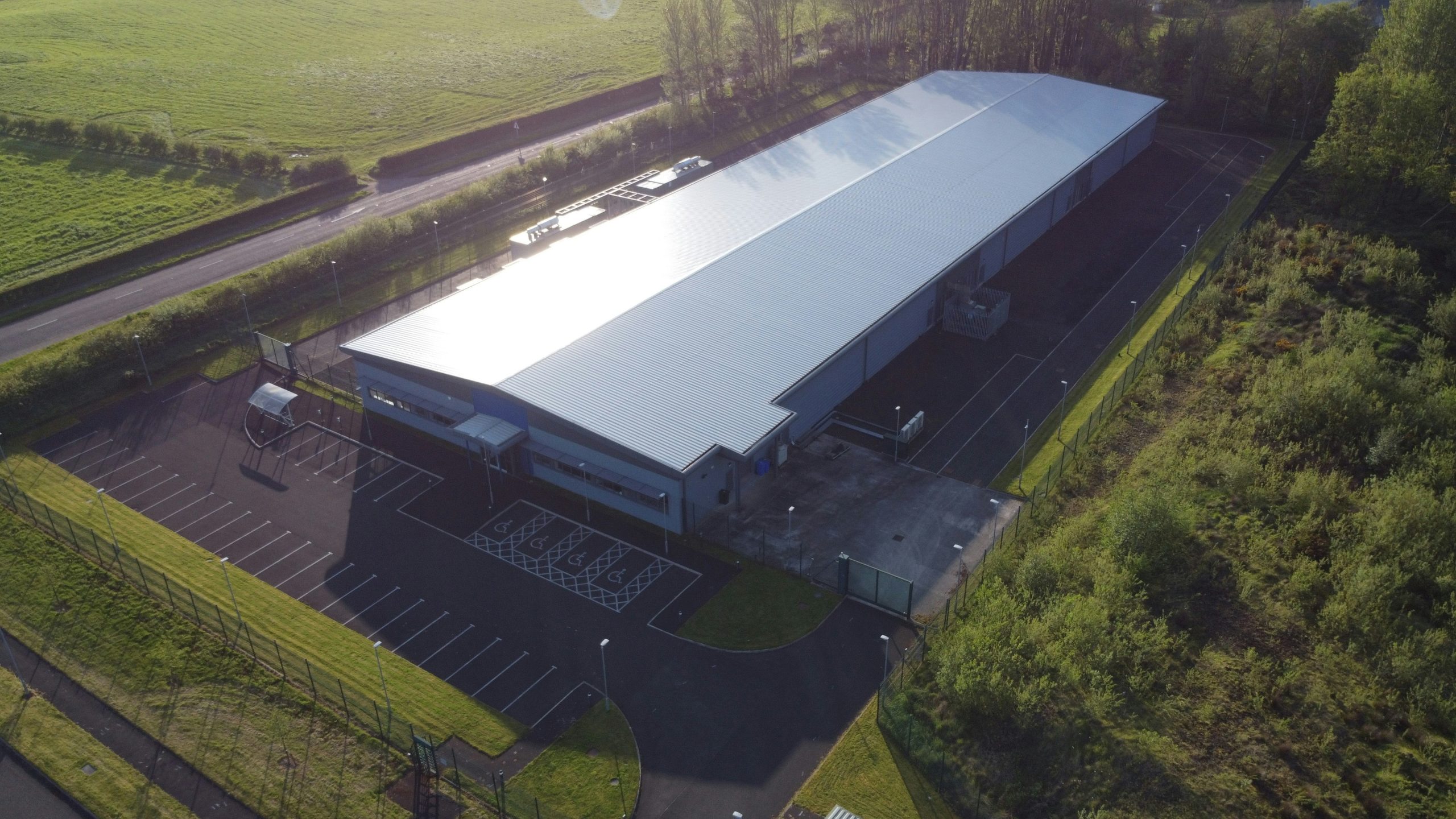
Tag: Developers

  • Why Is Demand for Data Centre Land Surging in the UK?

    Why Is Demand for Data Centre Land Surging in the UK?

    Yes, demand for data centre land in the UK is surging, driven by an unprecedented need for digital infrastructure. Landowners, investors, and land agents with suitable sites are experiencing intense interest as the twin forces of AI and cloud computing growth demand vast new capacity. However, this demand is highly specific: only sites possessing adequate grid power, appropriate planning permissions, and robust connectivity infrastructure attract serious consideration.

    Why the UK is a Data Centre Hotspot

    The United Kingdom has long been a pivotal location for digital infrastructure, and its strategic importance is intensifying. Several factors coalesce to make the UK particularly attractive for data centre development, despite the inherent challenges of land availability and infrastructure. This surging demand is not a fleeting trend but a fundamental shift driven by the very fabric of modern digital existence.

    The Inexorable Rise of Cloud Computing

    Cloud computing continues its exponential growth trajectory, fundamentally reshaping how businesses operate and how individuals consume digital services. Every interaction, from streaming a movie to accessing enterprise software, relies on cloud infrastructure. Hyperscale cloud providers – the likes of AWS, Microsoft Azure, and Google Cloud – require immense, interconnected data centre campuses to support their global operations and service their ever-expanding customer base. The UK, with its robust legal framework, strong economy, and early adoption of cloud technologies, remains a prime location for these providers to establish and expand their regional hubs. Each new cloud region, or expansion within existing regions, necessitates significant land acquisition and development.

    Artificial Intelligence: The New Data Frontier

    Artificial intelligence (AI) is arguably the most significant driver of current data centre demand. AI models, particularly large language models (LLMs) and deep learning algorithms, require astronomical amounts of computational power for both training and inference. This translates directly into a need for specialised data centres equipped with thousands of high-performance graphics processing units (GPUs) and sophisticated cooling systems. These “AI factories” are distinct from traditional data centres; they consume significantly more power per square foot and require purpose-built infrastructure. The UK’s burgeoning AI sector, supported by government initiatives and a strong research base, is creating a localised demand for these highly specialised facilities. The data generated and processed by AI applications – from autonomous vehicles to personalised medicine – further compounds the need for robust storage and processing capabilities.

    Digital Transformation Across All Sectors

    Beyond AI and cloud, digital transformation is a relentless force across every industry. From finance to manufacturing, healthcare to retail, organisations are digitising their operations, moving workloads to the cloud, and leveraging data for competitive advantage. This widespread adoption of digital technologies creates a continuous, underlying demand for data centre capacity. Small and medium-sized enterprises (SMEs) are increasingly reliant on digital tools, while larger corporations are undergoing significant infrastructure overhauls. Each new application, each new digital service, and each increase in data volume places additional strain on existing data centre infrastructure, necessitating new builds and expansions. The UK’s advanced economy and high rates of digital adoption ensure a constant need for this foundational infrastructure.

    The Grid Capacity Crunch and Its Implications

    While demand for data centre land is high, it is not an indiscriminate pursuit. The primary bottleneck and defining factor in site selection is access to substantial, reliable grid power. Data centres are energy-intensive facilities, and the sheer scale of modern operations – particularly AI-driven ones – requires massive electrical loads.

    Unprecedented Power Requirements

    A single modern hyperscale data centre campus can demand hundreds of megawatts of power, equivalent to a small town. AI clusters push these requirements even higher. Securing this level of power is incredibly challenging, as the UK’s electricity grid was not originally designed for such concentrated industrial loads in numerous locations. Existing grid infrastructure often requires significant upgrades, new substations, and dedicated high-voltage lines, which are costly, time-consuming, and subject to complex planning and environmental considerations. The process of obtaining grid connections can take years, creating a significant lead time for new developments.

    The Scarcity of Available Connections

    Grid capacity is finite, and in many desirable locations, particularly around London and other major conurbations, available high-voltage connections are already allocated or require extensive reinforcement. This scarcity means that even a perfectly situated piece of land with ideal planning potential and fibre connectivity is worthless to a data centre developer if it cannot secure a viable power connection within a reasonable timeframe. Developers are now actively seeking out less traditional locations that may have historical industrial power infrastructure or are adjacent to new grid upgrades. The competition for these precious connections is fierce, driving up the value of sites that come with pre-approved or readily available power.

    Impact on Site Selection

    The grid capacity crunch fundamentally redefines what constitutes a “prime” data centre site. Proximity to fibre optic networks and major population centres remains important, but it is now secondary to power availability. Developers are willing to consider more remote locations if they offer a clear path to high-voltage power. This shift in priorities means that land agents and landowners must proactively investigate the electrical infrastructure surrounding their parcels. Understanding substation capacities, existing lines, and potential for new connections is paramount. Without a credible power story, a site simply will not attract serious data centre interest, regardless of its other merits.

    The Triple Pillars of Site Viability

    Beyond power, two other crucial elements determine a site’s suitability for data centre development: planning permission and fibre connectivity. These three factors – power, planning, and connectivity – form the unyielding trinity of data centre site viability.

    Navigating the Planning Maze

    Securing planning permission for a data centre is a complex, multi-faceted process. Data centres are large industrial facilities, often with significant visual impact due to their scale and associated infrastructure (cooling towers, substations). They also generate noise from cooling systems and require extensive security measures. Local authorities must balance the economic benefits of such developments against potential environmental and community impacts. Planning applications require detailed assessments covering everything from traffic management and landscaping to ecological impact and carbon emissions. Developers often face public scrutiny and opposition, necessitating robust community engagement and environmental mitigation strategies. Sites with existing industrial or brownfield planning designations can be highly desirable, as they may streamline the approval process. However, even these sites require careful navigation of local planning policies and robust environmental impact assessments.

    Robust Fibre Optic Connectivity

    Data centres are the nerve centres of the digital world, and as such, they require incredibly fast, redundant, and high-capacity fibre optic connectivity. This means proximity to existing major fibre routes and the ability to easily establish multiple, diverse connections to different network providers. Redundancy is critical; a single point of failure in connectivity can bring down operations. Developers look for sites that are already “fibre-rich” or where new fibre can be easily deployed. This often means sites near major road networks, urban centres, or existing digital infrastructure corridors. Poor connectivity means high latency and unreliable service, which are unacceptable for mission-critical applications. Without robust, diverse fibre, a data centre simply cannot function effectively.

    The Interconnected Nature of Requirements

    It is crucial to understand that power, planning, and connectivity are not independent considerations; they are deeply interconnected. A site with abundant power but no fibre is useless. A site with perfect planning but no power is unbuildable. A site with both but facing insurmountable planning hurdles is unachievable. All three must align for a site to be genuinely viable. Landowners and agents must assess their parcels against all three criteria rigorously. The market for data centre land is highly sophisticated, and developers will quickly discount sites that fall short on any of these fundamental requirements.

    The Specificity of Data Centre Site Selection

    The notion that “any large piece of land” will do for a data centre is a pervasive myth. The reality is far more nuanced, with developers applying extremely stringent criteria to their site searches. This specificity means that while overall demand is high, the pool of truly attractive sites is relatively small.

    Location, Location, Location (with a Twist)

    Traditional real estate mantras still apply, but with a data centre-specific twist. While proximity to major urban centres is beneficial for latency, the power crunch pushes developers towards areas with available grid capacity. This means a balancing act. Ideal locations often combine reasonable proximity to population hubs and existing fibre routes with access to significant power infrastructure. Factors such as seismic activity, flood risk, and proximity to airports (due to height restrictions and potential for electromagnetic interference) are also carefully considered. The geology of a site can also be important for foundation work and the installation of underground infrastructure.

    Scale and Topography

    Data centres require large, relatively flat parcels of land to facilitate efficient construction and future expansion. A typical hyperscale campus might require 50-100 acres or more, depending on the number of data halls, power infrastructure, and ancillary buildings. Irregularly shaped sites, or those with significant changes in elevation, present costly engineering challenges and can hinder modular construction techniques. Developers prefer sites that minimise the need for extensive earthworks, cutting, and filling. Furthermore, sites must be large enough to accommodate not just the data halls themselves, but also substations, generators, cooling infrastructure, security perimeters, and potential future expansion phases.

    Environmental and Community Considerations

    Sustainability is an increasingly critical factor. Developers are under pressure to build energy-efficient data centres, utilise renewable energy sources, and minimise their environmental footprint. This means sites that can accommodate on-site renewable generation (e.g., solar arrays) or have access to green energy tariffs are increasingly attractive. Community engagement is also paramount; developers seek sites where they can be good neighbours, addressing local concerns about noise, traffic, and visual impact. Sites with existing industrial zoning often help mitigate some of these concerns. Furthermore, the availability of a skilled local workforce for construction and ongoing operations can be a positive, albeit secondary, consideration.

    Understanding Your Site’s Data Centre Potential

    Metric Value Explanation
    Annual Data Centre Land Demand Growth 15-20% Year-on-year increase in demand for land dedicated to data centres in the UK.
    Data Traffic Growth 30% per year Increase in data consumption driving need for more data centre capacity.
    Renewable Energy Usage in UK Data Centres 60% Percentage of data centres powered by renewable energy, attracting sustainable investments.
    Average Land Size per Data Centre 5-10 acres Typical land area required for new data centre developments.
    Government Investment in Digital Infrastructure £1.5 billion Recent funding allocated to support data centre and digital infrastructure growth.
    Latency Reduction Demand Under 20 ms Target latency for UK data centres to support cloud services and edge computing.
    Data Centre Power Consumption 5% of UK electricity usage Proportion of national electricity consumed by data centres, influencing site selection.
    Number of New Data Centre Projects (2023) 50+ New data centre developments announced or underway in the UK.

    For landowners, investors, and land agents, the key is to move beyond speculation and accurately assess a site’s genuine data centre viability against these stringent criteria. Generic land assessments are insufficient; a specialised approach is essential.

    The Importance of Specialised Analysis

    Without a deep understanding of data centre requirements, it is impossible to accurately gauge a site’s potential. This is where specialised tools and expertise become invaluable. A developer will not spend time on a site that has not undergone a preliminary, but thorough, assessment of its core viability factors. Landowners and agents who can present a site with pre-analysed data related to power, planning, and connectivity will instantly differentiate their offering. This proactive approach saves time and resources for both parties.

    Leveraging TERMINUS Tiers for Insight

    TERMINUS offers a tiered approach to evaluating a site’s data centre potential, providing increasingly detailed levels of insight. The first step, an Instant Classification Report (ICR), provides a rapid, high-level assessment of a site’s primary suitability factors, giving an initial indication of its alignment with data centre requirements. This is an excellent starting point for any landowner or agent wondering if their parcel might even be on the radar.

    For sites that show promise, a Land Intelligence Report (LIR) delves deeper, offering more granular data on critical attributes such as power availability, fibre proximity, and planning context. This report equips you with a more comprehensive understanding of a site’s strengths and weaknesses from a data centre perspective. It helps identify potential bottlenecks and highlights key selling points.

    The most exhaustive analysis, the Full Parcel Viability (FPV) report, provides an in-depth, actionable assessment, including detailed infrastructure analysis, planning pathway considerations, and a robust evaluation of all viability factors. An FPV provides the detailed due diligence necessary to confidently present a site to serious data centre developers, significantly reducing their initial investigative burden.

    FAQ

    Is there demand for data centre land in the UK?

    Yes, there is significant and surging demand for data centre land in the UK, driven by the rapid expansion of AI and cloud computing, alongside broader digital infrastructure needs.

    Why do data centres need so much land?

    Data centres require extensive land to accommodate large data halls, power infrastructure (including substations and generators), cooling systems, security perimeters, and crucial space for future expansion to meet growing digital demands.

    Find out whether your site is part of this surging demand.

    Find Out More

    Section Image

    Why Is Demand for Data Centre Land Surging in the UK?

    Find Out More

  • What Makes a Site Suitable for a Data Centre?

    What Makes a Site Suitable for a Data Centre?

    Thinking about where to put a data centre? It’s not just about finding an empty field. There’s a whole lot that goes into making a site genuinely suitable, from the ground it sits on to the power lines feeding it and the regulations that govern it. Ultimately, a good site is one that offers stability, scalability, and security, all while being cost-effective to build and operate. Let’s break down what that really means.

    Finding the right spot isn’t just about avoiding floods, though that’s definitely part of it. It’s about a long-term investment in stability.

    Geopolitical Stability

    This might sound like something out of a spy novel, but it’s real. Countries or regions with political unrest, high crime rates, or frequent social disturbances are simply too risky. Imagine investing billions in infrastructure only to have it disrupted by civil unrest or, worse, become a target. Companies want predictability and a legal framework that respects property rights and business operations. Think about places with stable governments, clear legal systems, and a history of peaceful transitions.

    Natural Disaster Risk Assessment

    Earthquakes, hurricanes, tornadoes, floods, wildfires – these aren’t just bad weather, they’re potential data centre killers. A site needs to be assessed for all these risks.

    • Seismic Activity: Building in an earthquake zone means significantly higher construction costs for earthquake-resistant structures. If you can avoid it, you should.
    • Flood Plains: Elevated ground is key. Being on a flood plain is a non-starter. Even proximity to one can be an issue if infrastructure like roads or power lines are impacted.
    • Extreme Weather: Areas prone to hurricanes, tornadoes, or ice storms require robust hardening of buildings and infrastructure, adding considerable expense and operational complexity.
    • Wildfire Risk: For sites near wildlands, fire breaks, fire-resistant materials, and clear land management are essential.

    Accessibility and Infrastructure

    A data centre isn’t an island. It needs to be connected to the outside world for people, equipment, and data.

    • Road Network: Good roads are essential for construction materials, equipment deliveries, and staff commuting. Remote sites might be cheaper to buy, but logistics costs can quickly eat up those savings.
    • Airports and Ports: For international companies or those with global supply chains, proximity to major airports or shipping ports can streamline equipment delivery and technician travel.
    • Proximity to Key Markets: While not always critical, being closer to the end-users can reduce latency, which is a big deal for some applications like financial trading or online gaming. This is less about geography and more about network topology.

    The Power Play: Fueling the Machines

    Data centres are power-hungry beasts. Without reliable, affordable electricity, you don’t have a data centre.

    Grid Stability and Capacity

    This is paramount. Does the local grid have enough spare capacity to handle a massive new load? Is it prone to frequent outages, brownouts, or voltage fluctuations? A shaky grid means relying heavily on expensive backup generators, which is not ideal. Looking for sites near major substations or with multiple independent grid connections is a huge plus.

    • Redundancy: Ideally, the site should allow for multiple, independent power feeds from different substations or grids. This drastically reduces the risk of a single point of failure taking down power.
    • Future Capacity: It’s not just about today’s needs. Can the grid support future expansion? A site that locks you into current capacity without options for growth is a liability.

    Energy Costs

    Electricity isn’t free, and it’s often the single largest operational expense for a data centre. Locations with low industrial electricity rates are highly desirable. These rates can vary wildly even within the same country or state due to local regulations, generation sources, and utility company structures.

    • Renewable Energy Availability: Access to renewable energy sources like wind or solar is becoming increasingly important for sustainability goals and often comes with favourable pricing or incentives.
    • Incentives: Some regions offer tax breaks or subsidies for large energy consumers, especially if they create jobs or use renewable energy. This can significantly impact the long-term cost of operation.

    Cooling Resources

    Servers generate a lot of heat, and cooling them is expensive.

    • Climate: Colder climates offer “free cooling” opportunities, reducing the need for mechanical chillers. This can significantly lower PUE (Power Usage Effectiveness) and operational costs.
    • Water Availability: Water-cooled systems can be very efficient, but they require a reliable and affordable water supply. Some regions face water scarcity, making this a non-starter for water-intensive cooling methods.

    Connectivity: The Lifeblood of Data

    A data centre without robust network connectivity is just a very expensive, very hot building.

    Fibre Optic Network Proximity

    Data centres need massive bandwidth. This means being close to major fibre optic trunk lines and ideally having access to multiple, diverse fibre routes from different carriers.

    • Multiple Carriers: Relying on a single fibre provider is a big risk. A suitable site offers the option to connect to several independent network providers for redundancy and competitive pricing.
    • Dark Fibre: The ability to lease or lay your own “dark fibre” (unused fibre optic cables) can offer greater control, security, and scalability.

    Network Latency

    For some applications, every millisecond counts. Being geographically closer to major internet exchange points (IXPs) or large population centres can reduce latency. This is particularly critical for financial services, gaming, or content delivery networks. While fibre speed is constant, the distance still matters.

    Subsea Cable Landings (for specific cases)

    For international connectivity or specific workloads, being near a subsea cable landing station can be a massive advantage, providing direct, high-capacity links to other continents.

    Site Characteristics: What’s Under Your Feet?

    The land itself plays a huge role in dictating construction costs and operational viability.

    Soil and Ground Conditions

    You can’t build a heavy data centre on swampy or unstable ground without considerable expense.

    • Load-Bearing Capacity: Data centres are heavy. The ground needs to support the weight of the building, IT equipment, cooling infrastructure, and generators without excessive settlement. This often means extensive geotechnical surveys.
    • Liquefaction Risk: In seismic areas, some soils can lose their strength and behave like a liquid during an earthquake, causing structures to sink or collapse. This is a major red flag.
    • Contamination: Brownfield sites (former industrial land) might be cheaper, but they often come with soil contamination that requires expensive remediation before construction can begin. Greenfield sites are generally preferred for this reason.

    Land Availability and Expandability

    Data centres aren’t usually a one-and-done build. They’re often designed for phased expansion.

    • Land Area: Is there enough land not just for the initial build, but also for future phases, parking, security perimeters, and utility infrastructure?
    • Zoning Restrictions: Local zoning laws can dictate building height, footprint, and land use, which can impact expansion plans. Understanding these upfront is crucial.
    • Clearance and Easements: Are there any existing easements, rights of way, or property lines that could complicate construction or future development?

    Topography

    Flat land is generally easier and cheaper to build on. Slopes require extensive grading and potentially retaining walls, adding to costs. Elevated sites are good for flood protection but shouldn’t be so high or rugged that access is difficult.

    Regulatory and Human Factors: Beyond the Tech

    “`html

    Factors Metrics
    Location Proximity to telecommunication networks
    Distance from potential hazards (flood zones, earthquake faults)
    Power Reliable and redundant power supply
    Access to renewable energy sources
    Security Physical security measures (fencing, access control)
    Cybersecurity measures (firewalls, encryption)
    Climate Climate control systems for temperature and humidity
    Protection from natural disasters (tornadoes, hurricanes)

    “`

    It’s not all about kilowatts and fibre. People and paperwork matter too.

    Local Planning and Zoning Regulations

    Governments have a big say in what gets built where.

    • Permitting Process: How complex and time-consuming is it to get building permits, environmental approvals, and utility connections? Some regions are notoriously slow.
    • Environmental Impact Assessments: Large data centres can have significant environmental impacts (power consumption, water usage, noise). A site might be technically perfect but face opposition due to environmental concerns.
    • Noise Restrictions: Generators, chillers, and cooling towers can be noisy. Sites near residential areas might face strict noise abatement regulations, requiring expensive soundproofing.

    Skilled Workforce Availability

    You need people to build and run these facilities.

    • Construction Workforce: Is there a local pool of skilled labour for construction (electrical, mechanical, civil)? Importing labour adds significant costs.
    • Operational Staff: Data centres require highly specialized staff: network engineers, mechanical and electrical technicians, security personnel. Is there a local talent pool, or will you need to relocate staff or pay a premium? Proximity to technical colleges or universities can be a plus.

    Security Considerations

    Data centres are prime targets. The site needs to support robust physical security.

    • Physical Isolation: While not always possible, a site that offers a degree of physical isolation from major public thoroughfares can enhance security.
    • Perimeter Security: The ability to establish clear security perimeters, access control points, and surveillance zones is crucial.
    • Emergency Services: Proximity to fire, police, and medical services is essential for rapid response in case of an incident.

    Economic Incentives

    Local and regional governments often offer incentives to attract large-scale investments like data centres.

    • Tax Abatements: Reduced property taxes or sales tax exemptions on equipment can make a significant difference to the total cost of ownership.
    • Grants and Subsidies: Some governments offer direct financial assistance or grants for job creation or infrastructure development.
    • Expedited Permitting: In some cases, governments may fast-track the permitting process for strategically important projects.

    Ultimately, selecting a data centre site is a complex balancing act, weighing technical requirements against economic realities and long-term risks. It’s about finding a location that provides the best combination of reliability, scalability, security, and cost-effectiveness for decades to come.

  • What Should Be Included in a Data Centre Land Due Diligence Report?

    What Should Be Included in a Data Centre Land Due Diligence Report?

    We believe a data centre land due diligence report must comprehensively assess a site’s suitability for development and operation, identifying and mitigating all potential risks. Our reports provide a holistic view, enabling informed decision-making for critical infrastructure projects. We ensure all facets, from power availability to legal encumbrances, are thoroughly investigated to prevent costly surprises and delays.

    Power and Grid Capacity: Is the Site Electrically Sound?

    When considering a data centre, the paramount concern for us is invariably power. A data centre’s very existence depends on a reliable, abundant, and scalable electricity supply. Our due diligence delves deep into the existing and potential power infrastructure surrounding a prospective site. We don’t just look at the available kilowattage; we assess the entire electrical ecosystem.

    Available Grid Connection Points

    We meticulously identify the closest high-voltage transmission lines and substations. Proximity to these key points significantly impacts both the feasibility and the cost of connecting a new data centre. We analyse the current capacity of these substations and the likelihood of securing the necessary supply for a large-scale data centre operation. This includes understanding the specific voltage levels available and whether they align with typical data centre requirements. A site that requires extensive new transmission line construction or substation upgrades will inherently carry higher costs and longer development timelines, which we highlight clearly.

    Grid Resilience and Redundancy

    A data centre cannot tolerate power outages. Therefore, we investigate the resilience of the local grid. This involves understanding the grid’s topology, its susceptibility to single points of failure, and any history of blackouts or brownouts. We look at the number of independent feeders available and the potential for diverse routes for power delivery. Our assessment includes evaluating the local Distribution Network Operator’s (DNO) track record and their investment plans for grid modernisation and enhancement. We seek evidence of robust backup systems and operational protocols that minimise service interruptions.

    Future Capacity and Expansion Potential

    Data centres are rarely static; they are designed for growth. Our reports therefore don’t just assess current power availability but also the future capacity of the grid to support planned expansions. We engage with DNOs to understand their long-term development plans and any known constraints on future power allocation in the area. This forward-looking analysis is crucial for preventing a scenario where a data centre’s growth is throttled by insufficient power infrastructure years down the line. We aim to identify sites where securing additional power in phases is a realistic and cost-effective proposition.

    Renewable Energy Integration Opportunities

    In an era of increasing environmental awareness and corporate sustainability goals, the potential for integrating renewable energy sources is a significant factor. We identify opportunities for direct connection to local renewable generation assets, such as solar farms or wind projects. We also assess the grid’s capacity to handle intermittent renewable power and the regulatory framework for green energy procurement. This includes evaluating the potential for power purchase agreements (PPAs) and the economic viability of on-site renewable generation.

    Planning Risk: Navigating the Regulatory Landscape

    Planning permission is a critical hurdle for any development, and data centres, with their specific environmental impacts and infrastructure demands, often face heightened scrutiny. Our reports thoroughly evaluate the planning landscape to identify potential roadblocks and streamline the application process.

    Local Planning Policy and Development Plans

    We analyse the relevant local authority’s development plan, including any specific policies related to industrial development, energy infrastructure, or environmental protection. We identify if the proposed site falls within designated areas such as Green Belt, Areas of Outstanding Natural Beauty (AONB), or conservation areas, which would significantly increase planning complexity. Our investigation includes reviewing any existing or emerging supplementary planning documents that might impact data centre development. Understanding these policies upfront allows us to flag potential conflicts and suggest strategies for alignment.

    Environmental and Heritage Constraints

    Data centres have unique environmental considerations, including significant power consumption, water usage for cooling, and potential noise pollution from chillers and generators. We identify environmental designations such as Special Areas of Conservation (SACs), Special Protection Areas (SPAs), Ramsar sites, and sites of Special Scientific Interest (SSSIs) that could impact development. We also investigate the presence of protected species or habitats. Furthermore, we assess proximity to listed buildings, scheduled monuments, or archaeological sites that would require specific consents or mitigation measures. Our reports highlight the need for specialist environmental impact assessments (EIAs) or heritage impact assessments where appropriate.

    Community and Stakeholder Engagement

    The success of a planning application often hinges on managing community and stakeholder expectations. We research past planning applications in the vicinity, looking for evidence of local opposition or significant concerns. We identify key community groups, residents’ associations, and environmental organisations that might have an interest in the development. Our report provides an initial assessment of the likely public perception of a data centre development in the area, advising on potential areas of contention and the importance of early and proactive community engagement.

    Infrastructure Requirements and Planning Conditions

    Data centre developments often require significant infrastructure upgrades beyond just power, including road access, water supply, and waste management. We identify any potential conditions that might be imposed by the planning authority related to these aspects, such as contributions to local infrastructure, traffic management plans, or water conservation measures. We also consider the need for specific studies, such as flood risk assessments, air quality assessments, or noise impact assessments, which are frequently conditions of planning consent for large industrial developments.

    Connectivity: Ensuring Digital Lifelines

    For a data centre, connectivity is as vital as power. It’s the lifeblood that allows data to flow in and out, serving clients globally. Our reports rigorously assess the fibre infrastructure and network resilience of a potential site.

    Fibre Optic Infrastructure Proximity

    We identify the presence and proximity of major fibre optic backbone networks and peering points. Direct access to diverse, high-capacity fibre routes is non-negotiable for a modern data centre. We map out the nearest fibre exchanges, carrier hotels, and major national/international fibre routes. Our assessment includes identifying the various fibre providers operating in the area and their available capacities. A site that requires extensive new fibre trenching or expensive connection charges will inevitably impact overall project costs and timelines.

    Network Diversity and Redundancy

    Just as with power, network redundancy is critical. We evaluate the diversity of fibre routes and the number of independent carriers that can serve the site. We look for “dark fibre” availability and the potential for physically diverse routes to prevent single points of failure. Our reports highlight opportunities for establishing multiple, independent connections to different parts of the network, ensuring uninterrupted service even in the event of a fibre cut or network outage on one path. This dual or multi-path approach is fundamental to data centre reliability.

    Latency Considerations

    While not a direct physical attribute of the land, the geographical location relative to major population centres and other data centres significantly impacts network latency. We assess the site’s position within regional and national network topology, considering its suitability for latency-sensitive applications. Proximity to major internet exchange points (IXPs) or key enterprise hubs can provide a competitive advantage, and our reports provide context on the potential latency profiles from a given site to critical destinations.

    Future-Proofing Connectivity

    The demand for bandwidth is constantly increasing. Our reports consider the scalability of the existing fibre infrastructure and the ease with which additional capacity can be provisioned in the future. We look at the potential for new fibre deployments, the willingness of carriers to invest in the area, and any planned network expansions that could benefit the site. This forward-looking approach ensures that a chosen site can meet not just current, but also future connectivity demands.

    Land Relief and Accessibility: Practical Site Suitability

    Beyond the abstract infrastructure, the physical characteristics of the land itself and its accessibility are fundamental considerations. Our reports provide a practical assessment of the site’s readiness for development and ongoing operations.

    Topography and Geotechnical Considerations

    We analyse the site’s topography, identifying significant gradients, cut-and-fill requirements, and potential for earthworks. Steep slopes or uneven terrain can add substantial costs and complexity to construction. We also identify potential geotechnical issues such as poor ground conditions, subsidence risk, or the presence of unstable soils that would require expensive piling or ground stabilisation. Our reports flag the need for detailed geotechnical surveys to confirm ground bearing capacity and suitability for heavy data centre loads.

    Flood Risk Assessment

    Data centres must be located in areas with minimal flood risk. We undertake a thorough assessment of flood plain designations, historical flood events, and proximity to rivers, coastlines, or other water bodies. Our reports identify the relevant flood zones and highlight any requirements for flood mitigation measures, such as raised platforms or specific building designs. We provide an initial indication of the likelihood of obtaining planning permission for development in flood-prone areas.

    Contamination and Remediation

    Industrial sites, or those with a history of certain uses, can be contaminated. We research the site’s historical land use and identify any potential for ground contamination from previous industrial activities, landfills, or agricultural practices. Our reports highlight the need for intrusive ground investigations to assess the presence and extent of contaminants. We provide an initial indication of the likely costs and timeframes associated with any necessary remediation, which can be a significant cost driver for brownfield sites.

    Physical Accessibility and Transport Links

    A data centre requires robust physical access for construction, equipment delivery, and ongoing operations and maintenance. We assess the quality and capacity of local road networks, ensuring they can accommodate heavy goods vehicles (HGVs) carrying large plant and equipment. Proximity to major motorways or arterial routes is a significant advantage. We also consider access for staff, public transport links, and any potential for traffic congestion during peak hours. Our reports highlight any required road improvements or access agreements.

    Risk and Legal Searches: Uncovering Hidden Obstacles

    Section Key Metrics / Data Description
    Site Location & Accessibility Proximity to major roads, airports, and utilities Evaluates ease of access for construction, maintenance, and emergency services
    Land Size & Topography Total acreage, elevation, slope, soil type Determines suitability for construction and potential for expansion
    Zoning & Land Use Current zoning classification, permitted uses, restrictions Confirms compliance with local regulations and future development potential
    Environmental Risks Flood zones, seismic activity, contamination history Assesses natural hazard risks and environmental liabilities
    Utility Availability & Capacity Power supply capacity, water availability, telecom connectivity Ensures infrastructure can support data centre operational needs
    Legal & Title Review Ownership verification, easements, liens, encumbrances Confirms clear title and identifies any legal risks
    Infrastructure & Connectivity Fiber optic availability, redundancy options, network providers Evaluates data connectivity options and resilience
    Environmental Permits & Compliance Required permits, compliance status, environmental impact assessments Ensures regulatory compliance and identifies potential delays
    Future Development Potential Expansion possibilities, adjacent land use plans Assesses long-term growth opportunities
    Cost Estimates Land acquisition, site preparation, utility connection costs Provides financial overview for project budgeting

    Our comprehensive approach extends to identifying and evaluating all potential risks, both environmental and legal, that could impact a data centre project. We leave no stone unturned in ensuring our clients are fully informed.

    Environmental Hazards and Natural Risks

    Beyond flood risk, we assess other potential natural hazards. This includes seismic activity (earthquake risk), proximity to active geological faults, and vulnerability to extreme weather events such as high winds, heavy snowfall, or lightning strikes. We also consider any local environmental nuisances such as noise from nearby industrial operations or air quality issues. Our reports summarise these risks and their potential implications for data centre design and operational resilience.

    Public and Private Rights of Way

    Undisclosed public footpaths, bridleways, or private easements traversing the site can significantly complicate development plans. We meticulously investigate the presence of any such rights, which could constrain building footprints, impact security perimeters, or necessitate diversion orders that are often time-consuming and costly. Understanding these upfront allows for appropriate design adjustments or negotiations.

    Encumbrances and Restrictive Covenants

    Our legal searches uncover any existing encumbrances on the land, such as leases, mortgages, or charges that could affect ownership or development rights. Crucially, we identify restrictive covenants that might limit the type of development permitted, impose design restrictions, or prohibit certain activities (e.g., noise limits, building height restrictions). These covenants can significantly impact a data centre project’s viability and must be understood and addressed early in the process.

    Ownership, Boundary Disputes, and Wayleaves

    Clear, undisputed title is paramount. We investigate the registered ownership of the land, identify any potential boundary disputes with neighbouring properties, and confirm the accuracy of property plans. We also identify existing wayleaves or easements granted to utility companies for pipelines, cables, or access rights. These can impact building locations, future expansion, and even the ability to perform certain works on the site, and are essential considerations for any large-scale infrastructure project.

    Planning History and Enforcement Notices

    We examine the full planning history of the site and any adjacent properties. This includes reviewing past planning applications, decisions, and any associated conditions. Crucially, we identify any outstanding planning enforcement notices or breaches of planning control that could lead to legal action or delay future consents. Understanding this history provides valuable insight into the local planning authority’s approach to development in the area.

    Our Comprehensive Reporting Solutions

    We offer a tiered approach to data centre land intelligence, ensuring we meet your specific needs at every stage of the due diligence process.

    TERMINUS Land Intelligence Report (LIR)

    For a thorough, comprehensive desk-based assessment, our TERMINUS Land Intelligence Report is the industry standard. It meticulously covers all the aspects detailed above – power, planning risk, connectivity, land relief, accessibility, and environmental/legal risks. The LIR provides a detailed, actionable analysis, drawing on extensive proprietary data sources and expert interpretation. We aggregate complex information into a clear, concise report, enabling you to make strategic decisions with confidence. This report is ideal for in-depth site evaluation and initial risk identification.

    Instant Classification Report (ICR)

    For rapid screening of multiple potential sites, our Instant Classification Report (ICR) provides a quick, high-level overview. This report is designed to identify red flags early, allowing you to filter out unsuitable sites efficiently. The ICR offers an immediate snapshot of critical constraints and opportunities, enabling fast-paced decision-making in the initial stages of site selection. It’s perfect for portfolio analysis and narrowing down options before committing to more detailed investigations.

    Full Parcel Viability (FPV)

    Once a shortlist of viable sites has been established, our Full Parcel Viability (FPV) service provides the crucial on-site survey and detailed assessment. This involves physical site visits by our experts to verify desk-based findings, conduct further investigations, and provide a granular understanding of the land’s characteristics. The FPV incorporates ground truthing, stakeholder engagement, and detailed analysis of access, topography, and local conditions, ensuring a complete and accurate picture of site suitability.

    Legal Conveyancing Searches

    For specific legal conveyancing searches such as CON29 and LLC1, which are critical for property transactions, we seamlessly refer you to our trusted network of specialist legal partners. This ensures that the intricate legal aspects of property acquisition are handled by dedicated experts, providing you with comprehensive legal assurance and a streamlined process.

    Frequently Asked Questions

    Q: What is the typical turnaround time for a TERMINUS Land Intelligence Report?

    A: Our standard turnaround time for a TERMINUS LIR is typically 10-15 working days, depending on the complexity of the site and the availability of data. We do offer expedited services for urgent requirements.

    Q: Can your reports be tailored to specific data centre requirements?

    A: Absolutely. While our reports are comprehensive by default, we can always tailor the scope to focus on specific criteria or concerns unique to your project. We encourage an initial consultation to understand your precise needs.

    Q: Do your reports include cost estimates for identified risks?

    A: Our reports identify and quantify risks where possible. While we don’t provide detailed cost estimates for remediation or infrastructure upgrades (as these are subject to detailed engineering and procurement), we highlight the potential financial implications and the need for further specialist costing.

    Q: How do you handle confidential site information?

    A: We treat all client and site information with the utmost confidentiality. We adhere to strict data protection protocols and are happy to sign non-disclosure agreements (NDAs) as required.

    Q: Are your reports compliant with international standards?

    A: Our reports are developed to meet the rigorous standards expected in the UK and European markets, drawing on best practices for due diligence in critical infrastructure projects.

    We provide clarity and certainty in your data centre land acquisition process. Request a Land Intelligence Report from us today and gain the definitive advantage.

    Find Out More

    Section Image

    Data Centre Land Due Diligence Reports – Everything you need to know.

    Find Out More

  • How Long Does It Take to Find and Secure a Data Centre Site in the UK?

    How Long Does It Take to Find and Secure a Data Centre Site in the UK?

    The Marathon, Not the Sprint: Unpacking the Data Centre Site Acquisition Timeline in the UK

    Finding and securing a data centre site in the UK is a complex, multi-faceted process that rarely conforms to neat timelines. It’s not an overnight decision; rather, it’s a strategic marathon demanding meticulous planning, extensive due diligence, and a keen understanding of a highly competitive and regulated landscape. While a simplistic answer might suggest anything from 12 months to 5 years, the reality is nuanced, heavily influenced by factors such as the project’s scale, location, existing infrastructure, and the myriad regulatory hurdles. For hyperscale developments, the journey from initial concept to shovel-ready land can easily span several years, whereas smaller, colocation-focused projects might achieve readiness in a shorter, but still significant, timeframe. This article will delve into the various stages of data centre site acquisition in the UK, offering insights into the typical durations and critical considerations at each juncture.

    Before a single site is even considered, a data centre project needs a clear, robust strategy. This foundational phase is crucial as it dictates the entire subsequent search and acquisition process. Underestimating its importance can lead to costly delays and unsuitable site selections.

    Defining Capacity and Scale

    The fundamental question of “how big?” dictates much of the site search. Are we talking about a single-digit megawatt edge facility, a multi-stage colocation campus, or a hyperscale powerhouse requiring hundreds of megawatts? This decision has profound implications for land size, power requirements, and ultimately, the available pool of suitable locations. Hyperscale requirements, for instance, significantly narrow the options, often necessitating rural or semi-rural greenfield sites with access to substantial grid infrastructure.

    Power Requirements and Resiliency Targets

    Data centres are power hungry. Defining the exact power load, including future expansion, and critical resiliency levels (e.g., N+1, 2N redundancy) is paramount. This directly influences the proximity to grid substations, the availability of diverse power feeds, and the potential for on-site generation. Identifying these targets early prevents wasted effort on sites that can’t meet the power demands.

    Connectivity Needs and Latency Targets

    Proximity to fibre optic networks and major internet exchange points is non-negotiable for most data centres. Latency targets for critical applications will dictate how close the facility needs to be to specific population centres or other data centres. Understanding the required fibre diversity and carrier availability from the outset streamlines the connectivity assessment of potential sites.

    Budgetary Constraints and Funding

    A realistic budget dictates the scope of the search, the type of land that can be acquired (leasehold vs. freehold), and the level of necessary infrastructure upgrades. Funding availability and its release schedule can also influence the speed of negotiations and site securing.

    Typical Duration: This initial strategic phase can take anywhere from 2 to 6 months. For established operators with clear requirements, it might be shorter. For new entrants or complex, multi-phase projects, it can extend as internal and external stakeholders align on the vision and parameters.

    Site Identification and Due Diligence: The Deep Dive

    Once the strategic framework is established, the real search begins. This is often the most time-consuming phase, involving extensive research, analysis, and initial outreach.

    Desktop Research and GIS Analysis

    The first wave of site identification typically involves sophisticated desktop analysis. This is where platforms like TERMINUS become invaluable, rapidly scoring land parcels against predefined criteria without requiring physical site visits. Key factors at this stage include:

    • Power proximity and capacity: Identifying sites near major grid infrastructure.
    • Fibre routes: Overlaying known fibre optic networks.
    • Flood risk and ground conditions: Assessing environmental suitability.
    • Planning policy: Identifying areas with suitable zoning or a sympathetic planning environment.
    • Land ownership and availability: Initial checks on who owns the land and if it’s potentially for sale.

    This initial screening narrows down thousands of potential parcels to a manageable shortlist.

    Preliminary Site Assessments and Surveys

    Once a shortlist emerges, more detailed assessments begin. This might involve:

    • High-level power availability studies: Engaging with Distribution Network Operators (DNOs) and National Grid to get initial indications of grid capacity and potential connection points.
    • Fibre optic network surveys: Verifying fibre availability and diversity, and understanding potential lead times for new connections.
    • Environmental impact assessments (preliminary): Identifying any obvious ecological, historical, or environmental constraints.
    • Geotechnical desktop studies: Reviewing existing data on ground conditions to flag potential foundation challenges.

    Engagement with Landowners and Agents

    This is a critical, and often protracted, stage. Identifying the true landowner, engaging with their agents, and initiating discussions about availability and pricing can be complex. Confidentiality agreements (NDAs) are often required before detailed information is shared.

    Site Visits and Initial Technical Assessments

    Physical site visits by technical teams are essential to verify desktop findings, assess accessibility, and identify any unforeseen challenges. This often involves:

    • Walkovers with DNO representatives: To discuss potential grid connection points.
    • Fibre provider meetings: To discuss connection feasibility and costs.
    • Preliminary civil engineering assessments: To understand site topography, access roads, and potential groundwork.

    Typical Duration: This phase is highly variable. Efficient desktop analysis can take 3-6 months to generate a solid shortlist. However, the subsequent engagement with DNOs, fibre providers, landowners, and the iterative process of preliminary technical assessments can easily stretch this to 6-18 months, especially for hyperscale requirements where grid capacity is a major constraint.

    Option/Acquisition and Planning Application: The Hurdles

    Once a preferred site (or a few highly viable options) has been identified, the focus shifts to securing the land and gaining the necessary planning permissions. This is where significant time and financial commitments are made.

    Negotiating Land Terms

    Securing an option agreement is often preferred over an outright purchase initially. An option gives the developer the exclusive right to purchase the land at an agreed price within a specific timeframe, allowing them to pursue planning permission without the full financial commitment of land acquisition. Negotiations can be complex, covering price, duration of the option, break clauses, and other commercial terms.

    Detailed Due Diligence

    With an option in place, comprehensive due diligence commences. This includes:

    • Full Geotechnical Surveys: Detailed boreholes and ground investigations to understand soil conditions, groundwater, and potential remediation needs.
    • Ecological Surveys: Extensive surveys to identify protected species or habitats, often requiring seasonal visits (e.g., bat surveys in summer, bird surveys in spring).
    • Archaeological Surveys: Investigating the site for historical artefacts.
    • Topographical Surveys: Precise mapping of the site’s contours and features.
    • Environmental Impact Assessment (EIA): A formal, often legally mandated, assessment for large-scale developments, detailing potential environmental effects and mitigation strategies. This is a significant undertaking.
    • Utility Surveys: Confirming availability and capacity of water, gas, and drainage.

    Developing the Planning Application

    This involves designing the proposed data centre facility and preparing a comprehensive application for submission to the local planning authority. This includes:

    • Architectural and Master Planning: Detailed drawings and layouts of the proposed buildings, infrastructure, and landscaping.
    • Technical Reports: Incorporating findings from all due diligence surveys (geotechnical, ecological, traffic, noise, visual impact, etc.).
    • Design and Access Statement: Explaining the design rationale and how access will be managed.
    • Community Engagement: Often a crucial, and legally required, step involving public consultations, exhibitions, and addressing local concerns.

    Planning Application Submission and Determination

    Once the application is submitted, the local authority undertakes its review. This involves consultation with various statutory bodies (e.g., National Highways, Environment Agency, Natural England, Historic England) and public scrutiny. The planning committee will then make a decision.

    Typical Duration: This phase is arguably the longest and most unpredictable. Negotiating an option agreement can take 3-9 months. The detailed due diligence, requiring numerous specialist surveys, can easily consume 6-18 months, especially if seasonal ecological surveys are needed. Developing and submitting a robust planning application, including community engagement, typically takes another 6-12 months. The planning determination process itself, by law, usually has an 8-13 week target, but for large, complex data centre projects, it’s very common for this to be extended significantly, often taking 6-18 months or even longer if it goes to appeal or requires a Public Inquiry. The entire sequence, from option to obtaining full planning permission, can realistically span 1.5 to 4 years.

    The new Data Centre Land Intelligence App provides comprehensive insights into potential data center locations. By utilizing the Data Centre Land Intelligence App, companies can make informed decisions about site selection. The Data Centre Land Intelligence App offers real-time data analysis for strategic planning.

    Grid Connection and Legal Finalisation: The Last Stretch

    Even with planning permission, a data centre isn’t ready until it has a guaranteed power supply and all legal aspects are complete.

    Securing the Grid Connection

    This is often a parallel path to planning, but its finalisation is contingent on planning approval. Securing a grid connection involves:

    • Connection Offer from DNO/National Grid: This details the costs, timeline, and technical requirements for connecting to the network. These offers can be highly complex and involve significant reinforcement works.
    • Negotiating and Signing the Connection Agreement: This is a legally binding contract for the power supply.
    • Wayleaves and Easements: Securing legal rights across third-party land for cabling and infrastructure.

    The lead times for significant grid reinforcements can be exceptionally long, sometimes exceeding 5 years for very large capacities.

    Legal Completion and Site Handover

    Once planning is secured, and the grid connection agreement is firm, the legal process to acquire the land (exercising the option) is finalised. This involves conveyancing, title registration, and all other legal formalities.

    Procurement and Design Finalisation

    While not strictly part of “site acquisition,” this phase often overlaps significantly. With the site secured and power guaranteed, detailed design work can be finalised, and procurement of long-lead items (like switchgear and generators) can commence in earnest.

    Typical Duration: Securing a firm grid connection offer and signing the agreement can be a protracted process, often taking 1 to 3 years from initial engagement, sometimes longer for extremely large capacities or complex network upgrades. Legal completion of the land purchase, assuming a pre-agreed option, can be relatively quick, typically 1-3 months. However, all these elements need to align for the site to be truly “secured” and ready for construction.

    The Influence of UK/European Context

    Stage Estimated Duration Key Activities Notes
    Initial Market Research 2-4 weeks Identify potential locations, assess demand and competition Depends on scope and resources
    Site Identification 4-8 weeks Shortlist sites based on size, connectivity, power availability Availability of suitable sites can vary regionally
    Site Visits and Assessments 2-6 weeks Physical inspections, environmental and risk assessments May require multiple visits and specialist input
    Negotiations and Due Diligence 4-12 weeks Price negotiations, legal checks, planning permission review Complexity of legal and planning issues can extend timeline
    Securing the Site (Contract Signing) 2-4 weeks Finalizing contracts and agreements Dependent on negotiation speed and stakeholder approvals
    Total Estimated Time 14-34 weeks (3.5 to 8.5 months) Typical range for finding and securing a data centre site in the UK

    The UK’s specific regulatory framework, environmental sensitivities, and dense population centres introduce particular complexities.

    Strict Planning Regulations

    The UK has one of the most rigorous planning systems globally. This, combined with strong public scrutiny, makes navigating the planning process a significant challenge and time sink. Data centres, being large industrial developments, often face opposition.

    Grid Constraints and Capacity

    While the UK has a robust grid, the concentration of data centre demand in certain areas (e.g., London and its periphery) has led to significant grid constraints, particularly around power availability and the need for expensive and time-consuming network upgrades.

    Environmental Considerations

    The UK’s commitment to environmental protection means that ecological and environmental impact assessments are extremely detailed and influential in the planning process, adding considerable time and cost.

    Conclusion: Patience is a Virtue

    In summary, finding and securing a data centre site in the UK is a journey that demands exceptional patience, meticulous planning, and a deep understanding of local regulations and infrastructure challenges. From the initial strategic decisions to the final grid connection agreement, the process can realistically take anywhere from 2.5 years for a smaller, less complex project, up to 5+ years for a hyperscale development requiring significant grid reinforcement and battling complex planning hurdles. There are rarely shortcuts, and attempting to rush critical stages invariably leads to greater delays and costs down the line. Success hinges on robust due diligence, proactive engagement with all stakeholders, and a realistic expectation of the timelines involved. For those navigating this complex landscape, leveraging specialised tools and expertise can significantly streamline the early stages, but the subsequent regulatory and infrastructure challenges remain a marathon, not a sprint.

    Find Out More

  • How Does Planning Permission Work for a Data Centre in the UK?

    How Does Planning Permission Work for a Data Centre in the UK?

    Data centres are normally consented through the local planning system in the UK, and the specific route depends significantly on their size and scale. Landowners and developers must understand that this is a complex process with various considerations. It is critical to seek qualified planning advice from the outset, as navigating the intricacies of planning legislation and local policy requires expert guidance.

    What is the Planning Process for a Data Centre?

    The planning process for a data centre development in the UK is multifaceted, involving several key stages. While the exact sequence and emphasis may vary depending on the local authority and the specific nature of the proposal, a general framework can be established. This framework ensures that all material planning considerations are addressed before a decision is made.

    1. Pre-Application Engagement: This initial, yet crucial, stage involves early discussions with the local planning authority. Developers present their preliminary proposals, allowing planning officers to offer initial feedback on the scheme’s likely acceptability, identify potential constraints, and highlight key policy considerations. This stage can involve informal meetings, submission of concept plans, and even technical discussions with relevant departments such as highways or environmental health. It is an opportunity to gauge the local authority’s appetite for such a development and to identify any ‘red flags’ early on, potentially saving significant time and resources down the line.
    1. Application Submission: Following pre-application advice and refinement of the proposals, a formal planning application is submitted to the local planning authority. This typically includes a comprehensive set of documents: application forms, detailed plans and drawings, a design and access statement, and a planning statement. Depending on the nature and scale of the data centre, various specialist reports will also be required. These might include environmental impact assessments, transport assessments, noise assessments, and a flood risk assessment. The quality and completeness of this submission are paramount, as any deficiencies can lead to delays or refusal.
    1. Validation and Consultation: Once submitted, the application is validated by the local authority to ensure all necessary documentation has been provided. Upon validation, a statutory consultation period begins. This involves notifying statutory consultees (e.g., Environment Agency, Highways England, Historic England), local residents, and parish councils. Site notices are posted, and the application is often publicised in local newspapers and on the council’s website. The purpose is to gather feedback and objections from interested parties, which the planning authority must take into account during their decision-making process.
    1. Assessment and Recommendation: Planning officers assess the application against national and local planning policies, taking into account all representations received during the consultation period. They consider the scheme’s impacts, both positive and negative, on the environment, local infrastructure, and the community. This detailed analysis culminates in a planning officer’s report, which provides a recommendation to either approve or refuse the application, often with conditions attached.
    1. Decision: The decision on a planning application for a data centre can be made either by planning officers under delegated powers (for smaller, less contentious schemes) or by the local authority’s planning committee (for larger, more complex, or controversial proposals). If approved, a planning permission notice is issued, outlining any conditions that must be met before or during development. If refused, the reasons for refusal are clearly stated, and the applicant has the right to appeal.

    What are the Key Considerations for Data Centre Planning?

    Developing a data centre involves navigating a range of specific planning considerations that go beyond those typical for standard industrial or commercial developments. The unique operational requirements and potential impacts of data centres mean that certain issues will receive particular scrutiny.

    Environmental and Noise Issues

    Data centres are energy-intensive operations and generate significant heat. This necessitates robust cooling systems, which can be a major source of noise. Planning applications must include comprehensive noise assessments, detailing existing background noise levels and predicting noise emissions from proposed plant and equipment. Mitigation strategies, such as acoustic enclosures, noise barriers, and careful siting of plant, are crucial to demonstrate that the development will not result in unacceptable adverse impacts on residential amenity or sensitive receptors. Furthermore, the substantial energy demand means that energy efficiency measures and the sourcing of renewable energy will be significant factors in demonstrating sustainability. The environmental impact assessment (EIA), if required, will delve into these aspects in detail, considering air quality, waste management, and the potential for heat reuse.

    Local Policy and Green Belt Constraints

    Local planning authorities have adopted local plans that set out policies for the development of their areas. These policies dictate what types of development are acceptable and where. Data centres, often requiring large land parcels and specific infrastructure, must align with these local policies. In areas subject to Green Belt designation, development is severely restricted. The NPPF (National Planning Policy Framework) defines Green Belt purposes, and new buildings are generally considered inappropriate unless they fall within very specific exceptions. Proving ‘very special circumstances’ to justify a data centre in the Green Belt is an exceptionally high bar, often requiring a demonstration of overriding national need that cannot be met elsewhere, coupled with substantial economic or public benefits that clearly outweigh the harm to the Green Belt. Proposals in the Green Belt are subject to intense scrutiny and face a significantly higher risk of refusal.

    Community Objections

    Data centre developments, particularly large-scale facilities, can attract significant community objections. Concerns often revolve around noise from cooling equipment, visual impact due to their size and industrial appearance, increased traffic generation during construction and operation, and the perceived drain on local power infrastructure. Developers must engage proactively with the local community, often through public consultation events, to address these concerns. Demonstrating how the development will contribute positively to the local economy, provide local employment opportunities, and integrate into the landscape can help mitigate opposition. Transparency and early engagement are vital in building trust and addressing misinformation.

    Why Planning Risk Sinks Sites

    Planning risk is the single most significant factor in whether a data centre project proceeds or fails. It is not merely a formality but a fundamental determinant of viability. Sites with high planning risk, such as those in the Green Belt, areas with significant environmental constraints, or those with strong local opposition, are inherently less attractive to developers and investors. The cost and uncertainty associated with navigating a complex, lengthy, and potentially unsuccessful planning application can render a site unviable, regardless of its technical suitability or financial attractiveness. Planning risk encompasses the likelihood of refusal, the potential for onerous conditions, and the time and expense of appeals. A site that looks perfect on paper can be sunk by insurmountable planning hurdles.

    How to Mitigate Planning Risk for Data Centres?

    Mitigating planning risk is paramount for the successful development of a data centre. A proactive, comprehensive approach is essential, focusing on early identification of issues and strategic planning.

    Early Due Diligence and Site Selection

    The single most effective way to mitigate planning risk is through robust early due diligence and strategic site selection. Choosing a site that aligns with local planning policies, has appropriate zoning, and minimal environmental or community constraints significantly increases the chances of planning approval. This involves a thorough analysis of:

    • Policy Compliance: Does the site fall within an area designated for industrial or employment use, or is it in a sensitive area such as the Green Belt, Area of Outstanding Natural Beauty (AONB), or a flood zone?
    • Infrastructure Availability: Proximity to high-voltage power grids, fibre optic connectivity, and suitable road networks is crucial. While not strictly a planning matter, infrastructure deficiencies can lead to planning objections relating to sustainability or traffic impact.
    • Environmental Sensitivity: Are there protected habitats, watercourses, or air quality management areas nearby?
    • Local Context: Proximity to residential areas, schools, or hospitals can heighten concerns about noise and visual impact.

    Thoroughly researching these aspects before acquiring a site or committing significant resources is a critical first step.

    Robust Pre-Application Engagement

    As previously mentioned, engaging with the local planning authority at the earliest possible stage is indispensable. This is not just about ticking a box; it’s about building a relationship and understanding the council’s perspective. Pre-application discussions can:

    • Identify Key Issues Early: Planners can highlight potential policy conflicts, required technical assessments, or likely areas of community concern.
    • Inform Design Decisions: Feedback from planners can guide the design of the data centre, ensuring it better integrates with its surroundings and addresses potential impacts.
    • Streamline the Process: Addressing issues proactively through pre-application engagement can lead to a more efficient and smoother formal application process, reducing delays.
    • Gauge Political Will: While not a guarantee, early discussions can provide an indication of whether the council is generally supportive of data centre development in the area, especially if it aligns with local economic development strategies.

    Comprehensive Impact Assessments and Mitigation

    A planning application for a data centre must be supported by a suite of comprehensive technical assessments that demonstrate how any adverse impacts will be mitigated to an acceptable level. These typically include:

    • Environmental Impact Assessment (EIA): For larger schemes, an EIA is mandatory and covers a wide range of potential impacts including air quality, water, ecology, landscape, noise, and traffic. The EIA must propose clear mitigation measures.
    • Noise Assessment: Detailed modelling and proposed mitigation (e.g., acoustic baffling, enclosures, careful plant layout) to ensure compliance with relevant noise standards and protect residential amenity.
    • Visual Impact Assessment: To demonstrate how the data centre, often a large and prominent structure, will be designed and landscaped to minimise its visual intrusion on the surrounding area.
    • Transport Assessment: To detail construction traffic routes, operational traffic, and any proposed highway improvements or sustainable travel plans.
    • Energy and Sustainability Statement: Outlining the data centre’s energy demand, proposed energy sources (ideally renewables), energy efficiency measures, and potential for waste heat reuse.

    The quality and thoroughness of these assessments are crucial. They must not merely identify impacts but also propose credible and effective mitigation strategies.

    What Are TERMINUS Tiers and How Can They Help?

    TERMINUS offers a structured approach to assessing planning risk and viability at different stages of a project, providing landowners and developers with critical insights. These tiers are designed to provide progressively detailed levels of analysis, helping to de-risk potential data centre sites.

    Instant Classification Report (ICR)

    The Instant Classification Report (ICR) is an initial, rapid assessment tool. It provides a high-level overview of a site’s planning constraints and opportunities. This report is ideal for quickly screening multiple potential sites, allowing developers to identify those with obvious ‘red flags’ or promising characteristics without significant initial investment. The ICR offers an instant indication of a site’s general planning classification, highlighting immediate policy conflicts or major environmental designations that could impact viability. This allows for swift filtering, saving time and resources that might otherwise be spent on sites with inherent, insurmountable planning hurdles.

    Land Intelligence Report (LIR)

    Building upon the ICR, the Land Intelligence Report (LIR) provides a more detailed, yet still strategic, analysis. The LIR delves deeper into specific local planning policies, a wider range of environmental and infrastructure constraints, and potential community issues. It offers a comprehensive understanding of a site’s suitability from a planning perspective, identifying the likely planning route, key policy considerations, and potential areas of contention. This report allows developers to make more informed decisions about which sites to pursue for further investigation, providing a robust foundation for early-stage due diligence and engagement. It helps to paint a clearer picture of the planning landscape specific to that parcel of land.

    Full Parcel Viability (FPV)

    The Full Parcel Viability (FPV) report is the most comprehensive assessment offered by TERMINUS. This in-depth analysis provides a granular breakdown of all material planning considerations relevant to a data centre development on a specific parcel of land. The FPV goes beyond policy and constraints, offering a detailed assessment of the likely planning strategy required, potential mitigation measures, and a thorough evaluation of the risks and opportunities. It incorporates a detailed review of local planning history, an assessment of precedent, and a forward-looking view of potential challenges and solutions. The FPV is designed to equip developers with a complete understanding of a site’s planning viability, allowing for robust business cases and detailed pre-application strategies. It is the definitive report for understanding the full planning risk profile of a chosen site.

    Frequently Asked Questions

    Aspect Description Typical Timeframe Key Considerations
    Pre-application Advice Consultation with local planning authority to discuss proposals and requirements. 4-8 weeks Early engagement helps identify potential issues and necessary documentation.
    Planning Application Submission Formal submission of detailed plans and supporting documents. Varies, typically 8-13 weeks for decision Includes site plans, environmental assessments, and design details.
    Environmental Impact Assessment (EIA) Assessment required if the project is likely to have significant environmental effects. 3-6 months (if required) May include noise, traffic, and ecological impact studies.
    Public Consultation Opportunity for local community and stakeholders to comment on the proposal. Typically 21-28 days Helps address local concerns and objections.
    Decision by Local Planning Authority Approval, refusal, or approval with conditions. 8-13 weeks after submission Decision based on planning policies, consultations, and assessments.
    Appeals Process If refused, applicants can appeal the decision to the Planning Inspectorate. 6 months or more Can delay project start; requires additional documentation.
    Building Regulations Approval Separate approval ensuring construction meets safety and energy standards. Varies, often concurrent with planning Focus on structural integrity, fire safety, and energy efficiency.
    Key Planning Policies National Planning Policy Framework (NPPF), local development plans. N/A Policies guide sustainable development and land use.

    Can you get planning permission for a data centre?

    Yes, it is absolutely possible to obtain planning permission for a data centre in the UK. Many data centres have been successfully consented and built across the country. However, success hinges on selecting an appropriate site, developing a well-considered design, demonstrating compliance with national and local planning policies, and providing robust evidence that any adverse impacts will be adequately mitigated. The process is rigorous and requires expert planning advice and comprehensive technical submissions.

    Why are data centre applications refused?

    Data centre applications are typically refused for several key reasons, often linked to the issues discussed earlier. Common grounds for refusal include:

    • Conflict with Green Belt Policy: Proposals within the Green Belt that fail to demonstrate ‘very special circumstances’ that clearly outweigh the harm to the Green Belt and any other harm.
    • Unacceptable Noise Impact: Inadequate mitigation of noise from cooling systems and other plant, leading to demonstrable harm to residential amenity.
    • Unacceptable Visual Impact: Large-scale developments that are poorly designed, fail to integrate into the landscape, or cause significant harm to the character and appearance of the area.
    • Insufficient Infrastructure: Lack of adequate power, water, or transport infrastructure, or failure to demonstrate how the development’s demands will be met without undue burden on existing networks.
    • Environmental Harm: Adverse impacts on protected habitats, air quality, or water quality that cannot be adequately mitigated.
    • Non-Compliance with Local Policy: Failure to align with local plan allocations or specific policies relating to industrial development, sustainability, or design.
    • Strong Community Opposition: While not a sole reason for refusal, significant, well-founded community objections, particularly on matters such as noise, traffic, or visual impact, can influence a planning committee’s decision.

    Understanding these common pitfalls is essential for crafting a successful application.

    Assess your planning risk first.

    Find out More

    Section Image

    How Does Planning Permission Work for a Data Centre in the UK?

    Find Out More