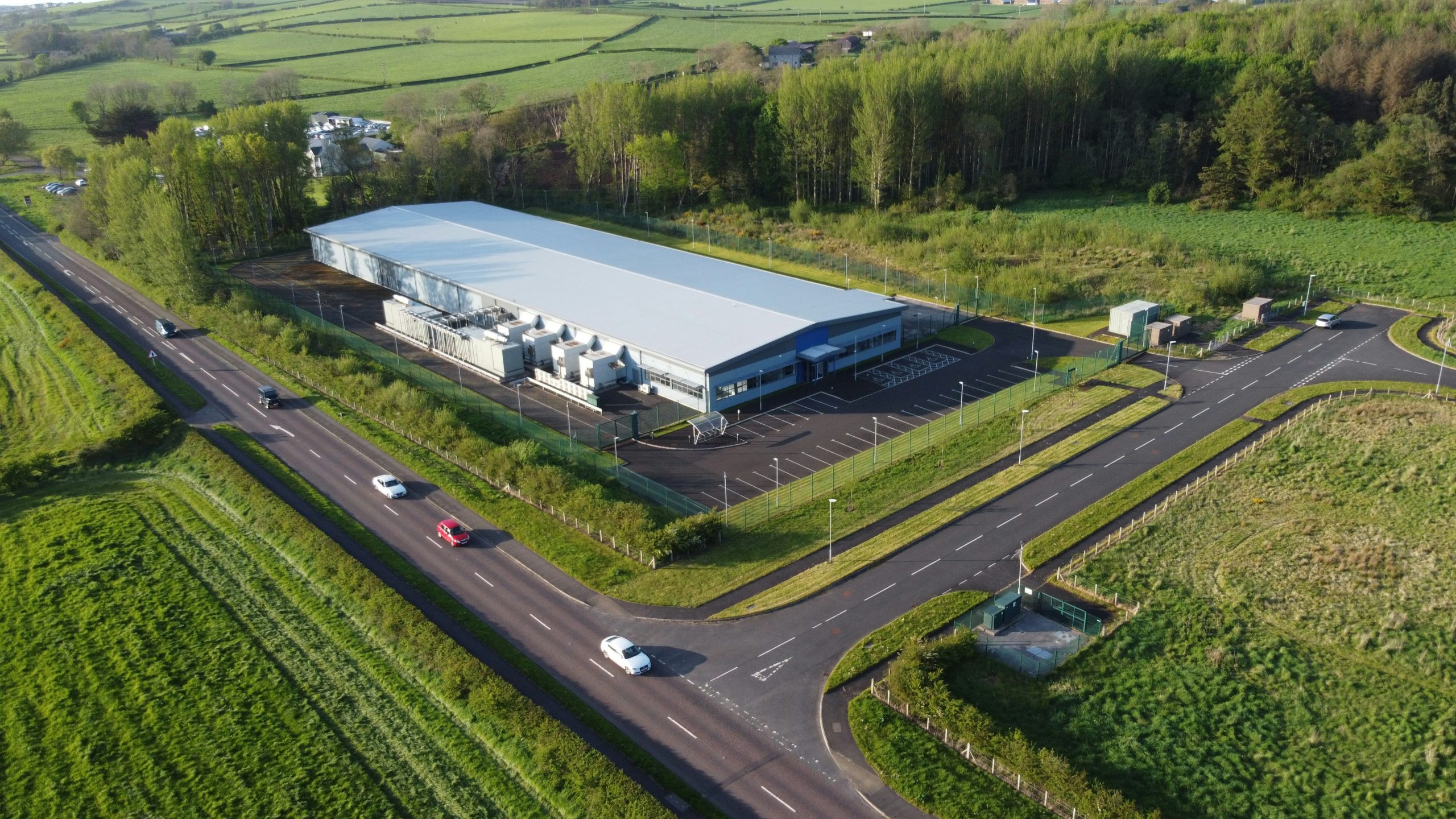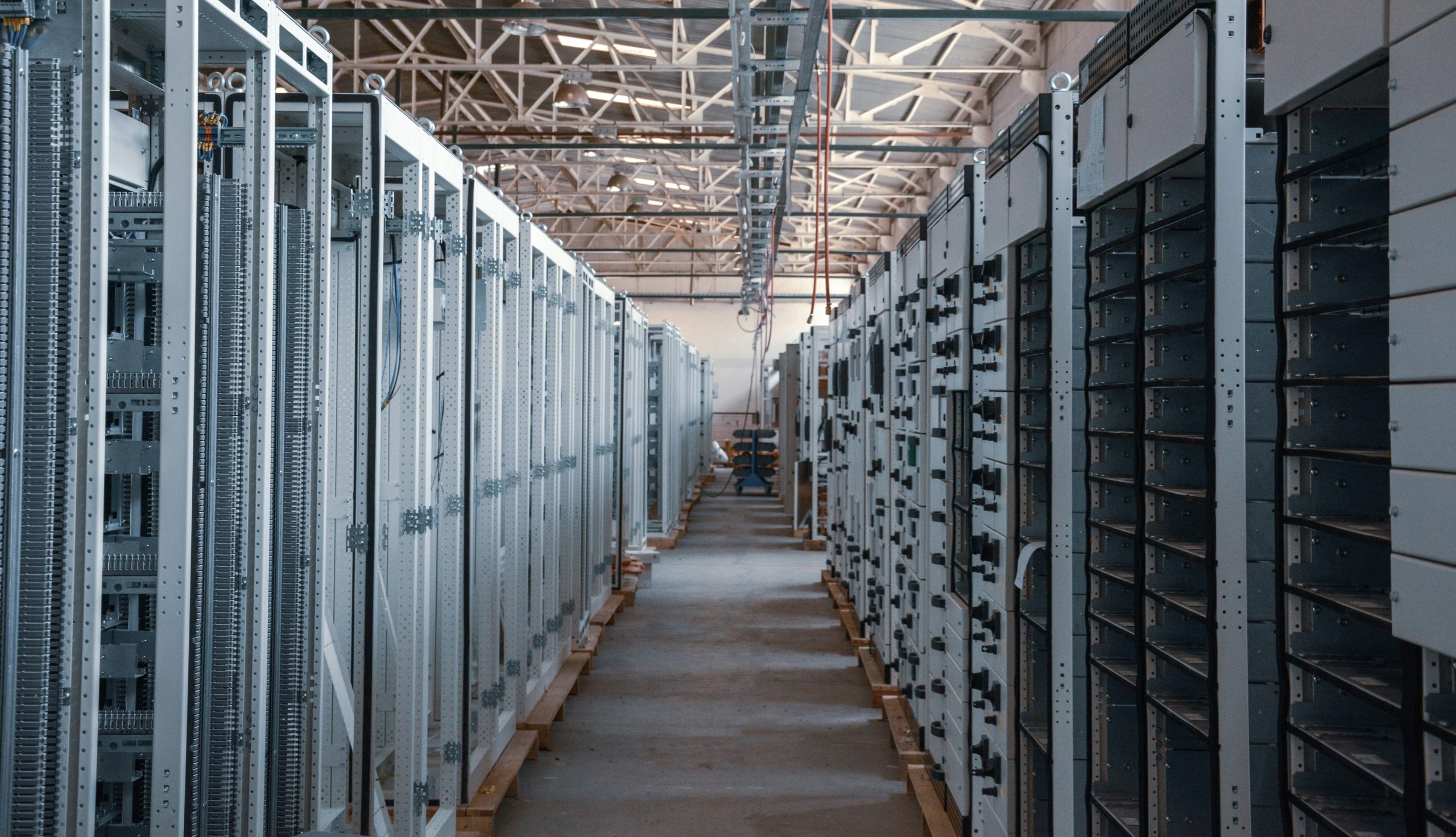
Thinking about where to put a data centre? It’s not just about finding an empty field. There’s a whole lot that goes into making a site genuinely suitable, from the ground it sits on to the power lines feeding it and the regulations that govern it. Ultimately, a good site is one that offers stability, scalability, and security, all while being cost-effective to build and operate. Let’s break down what that really means.
Finding the right spot isn’t just about avoiding floods, though that’s definitely part of it. It’s about a long-term investment in stability.
Geopolitical Stability
This might sound like something out of a spy novel, but it’s real. Countries or regions with political unrest, high crime rates, or frequent social disturbances are simply too risky. Imagine investing billions in infrastructure only to have it disrupted by civil unrest or, worse, become a target. Companies want predictability and a legal framework that respects property rights and business operations. Think about places with stable governments, clear legal systems, and a history of peaceful transitions.
Natural Disaster Risk Assessment
Earthquakes, hurricanes, tornadoes, floods, wildfires – these aren’t just bad weather, they’re potential data centre killers. A site needs to be assessed for all these risks.
- Seismic Activity: Building in an earthquake zone means significantly higher construction costs for earthquake-resistant structures. If you can avoid it, you should.
- Flood Plains: Elevated ground is key. Being on a flood plain is a non-starter. Even proximity to one can be an issue if infrastructure like roads or power lines are impacted.
- Extreme Weather: Areas prone to hurricanes, tornadoes, or ice storms require robust hardening of buildings and infrastructure, adding considerable expense and operational complexity.
- Wildfire Risk: For sites near wildlands, fire breaks, fire-resistant materials, and clear land management are essential.
Accessibility and Infrastructure
A data centre isn’t an island. It needs to be connected to the outside world for people, equipment, and data.
- Road Network: Good roads are essential for construction materials, equipment deliveries, and staff commuting. Remote sites might be cheaper to buy, but logistics costs can quickly eat up those savings.
- Airports and Ports: For international companies or those with global supply chains, proximity to major airports or shipping ports can streamline equipment delivery and technician travel.
- Proximity to Key Markets: While not always critical, being closer to the end-users can reduce latency, which is a big deal for some applications like financial trading or online gaming. This is less about geography and more about network topology.
The Power Play: Fueling the Machines
Data centres are power-hungry beasts. Without reliable, affordable electricity, you don’t have a data centre.
Grid Stability and Capacity
This is paramount. Does the local grid have enough spare capacity to handle a massive new load? Is it prone to frequent outages, brownouts, or voltage fluctuations? A shaky grid means relying heavily on expensive backup generators, which is not ideal. Looking for sites near major substations or with multiple independent grid connections is a huge plus.
- Redundancy: Ideally, the site should allow for multiple, independent power feeds from different substations or grids. This drastically reduces the risk of a single point of failure taking down power.
- Future Capacity: It’s not just about today’s needs. Can the grid support future expansion? A site that locks you into current capacity without options for growth is a liability.
Energy Costs
Electricity isn’t free, and it’s often the single largest operational expense for a data centre. Locations with low industrial electricity rates are highly desirable. These rates can vary wildly even within the same country or state due to local regulations, generation sources, and utility company structures.
- Renewable Energy Availability: Access to renewable energy sources like wind or solar is becoming increasingly important for sustainability goals and often comes with favourable pricing or incentives.
- Incentives: Some regions offer tax breaks or subsidies for large energy consumers, especially if they create jobs or use renewable energy. This can significantly impact the long-term cost of operation.
Cooling Resources
Servers generate a lot of heat, and cooling them is expensive.
- Climate: Colder climates offer “free cooling” opportunities, reducing the need for mechanical chillers. This can significantly lower PUE (Power Usage Effectiveness) and operational costs.
- Water Availability: Water-cooled systems can be very efficient, but they require a reliable and affordable water supply. Some regions face water scarcity, making this a non-starter for water-intensive cooling methods.
Connectivity: The Lifeblood of Data

A data centre without robust network connectivity is just a very expensive, very hot building.
Fibre Optic Network Proximity
Data centres need massive bandwidth. This means being close to major fibre optic trunk lines and ideally having access to multiple, diverse fibre routes from different carriers.
- Multiple Carriers: Relying on a single fibre provider is a big risk. A suitable site offers the option to connect to several independent network providers for redundancy and competitive pricing.
- Dark Fibre: The ability to lease or lay your own “dark fibre” (unused fibre optic cables) can offer greater control, security, and scalability.
Network Latency
For some applications, every millisecond counts. Being geographically closer to major internet exchange points (IXPs) or large population centres can reduce latency. This is particularly critical for financial services, gaming, or content delivery networks. While fibre speed is constant, the distance still matters.
Subsea Cable Landings (for specific cases)
For international connectivity or specific workloads, being near a subsea cable landing station can be a massive advantage, providing direct, high-capacity links to other continents.
Site Characteristics: What’s Under Your Feet?

The land itself plays a huge role in dictating construction costs and operational viability.
Soil and Ground Conditions
You can’t build a heavy data centre on swampy or unstable ground without considerable expense.
- Load-Bearing Capacity: Data centres are heavy. The ground needs to support the weight of the building, IT equipment, cooling infrastructure, and generators without excessive settlement. This often means extensive geotechnical surveys.
- Liquefaction Risk: In seismic areas, some soils can lose their strength and behave like a liquid during an earthquake, causing structures to sink or collapse. This is a major red flag.
- Contamination: Brownfield sites (former industrial land) might be cheaper, but they often come with soil contamination that requires expensive remediation before construction can begin. Greenfield sites are generally preferred for this reason.
Land Availability and Expandability
Data centres aren’t usually a one-and-done build. They’re often designed for phased expansion.
- Land Area: Is there enough land not just for the initial build, but also for future phases, parking, security perimeters, and utility infrastructure?
- Zoning Restrictions: Local zoning laws can dictate building height, footprint, and land use, which can impact expansion plans. Understanding these upfront is crucial.
- Clearance and Easements: Are there any existing easements, rights of way, or property lines that could complicate construction or future development?
Topography
Flat land is generally easier and cheaper to build on. Slopes require extensive grading and potentially retaining walls, adding to costs. Elevated sites are good for flood protection but shouldn’t be so high or rugged that access is difficult.
Regulatory and Human Factors: Beyond the Tech
“`html
| Factors | Metrics |
|---|---|
| Location | Proximity to telecommunication networks |
| Distance from potential hazards (flood zones, earthquake faults) | |
| Power | Reliable and redundant power supply |
| Access to renewable energy sources | |
| Security | Physical security measures (fencing, access control) |
| Cybersecurity measures (firewalls, encryption) | |
| Climate | Climate control systems for temperature and humidity |
| Protection from natural disasters (tornadoes, hurricanes) |
“`
It’s not all about kilowatts and fibre. People and paperwork matter too.
Local Planning and Zoning Regulations
Governments have a big say in what gets built where.
- Permitting Process: How complex and time-consuming is it to get building permits, environmental approvals, and utility connections? Some regions are notoriously slow.
- Environmental Impact Assessments: Large data centres can have significant environmental impacts (power consumption, water usage, noise). A site might be technically perfect but face opposition due to environmental concerns.
- Noise Restrictions: Generators, chillers, and cooling towers can be noisy. Sites near residential areas might face strict noise abatement regulations, requiring expensive soundproofing.
Skilled Workforce Availability
You need people to build and run these facilities.
- Construction Workforce: Is there a local pool of skilled labour for construction (electrical, mechanical, civil)? Importing labour adds significant costs.
- Operational Staff: Data centres require highly specialized staff: network engineers, mechanical and electrical technicians, security personnel. Is there a local talent pool, or will you need to relocate staff or pay a premium? Proximity to technical colleges or universities can be a plus.
Security Considerations
Data centres are prime targets. The site needs to support robust physical security.
- Physical Isolation: While not always possible, a site that offers a degree of physical isolation from major public thoroughfares can enhance security.
- Perimeter Security: The ability to establish clear security perimeters, access control points, and surveillance zones is crucial.
- Emergency Services: Proximity to fire, police, and medical services is essential for rapid response in case of an incident.
Economic Incentives
Local and regional governments often offer incentives to attract large-scale investments like data centres.
- Tax Abatements: Reduced property taxes or sales tax exemptions on equipment can make a significant difference to the total cost of ownership.
- Grants and Subsidies: Some governments offer direct financial assistance or grants for job creation or infrastructure development.
- Expedited Permitting: In some cases, governments may fast-track the permitting process for strategically important projects.
Ultimately, selecting a data centre site is a complex balancing act, weighing technical requirements against economic realities and long-term risks. It’s about finding a location that provides the best combination of reliability, scalability, security, and cost-effectiveness for decades to come.