
How to Sell Land for a Data Centre in the UK // TERMINUS
Thinking of selling land for a data centre? Learn what developers look for, how deals are structured and how to check your site’s suitability first.
Find out what data centre developers are looking for through the TERMINUS app.
TERMINUS // GIS-WORLD
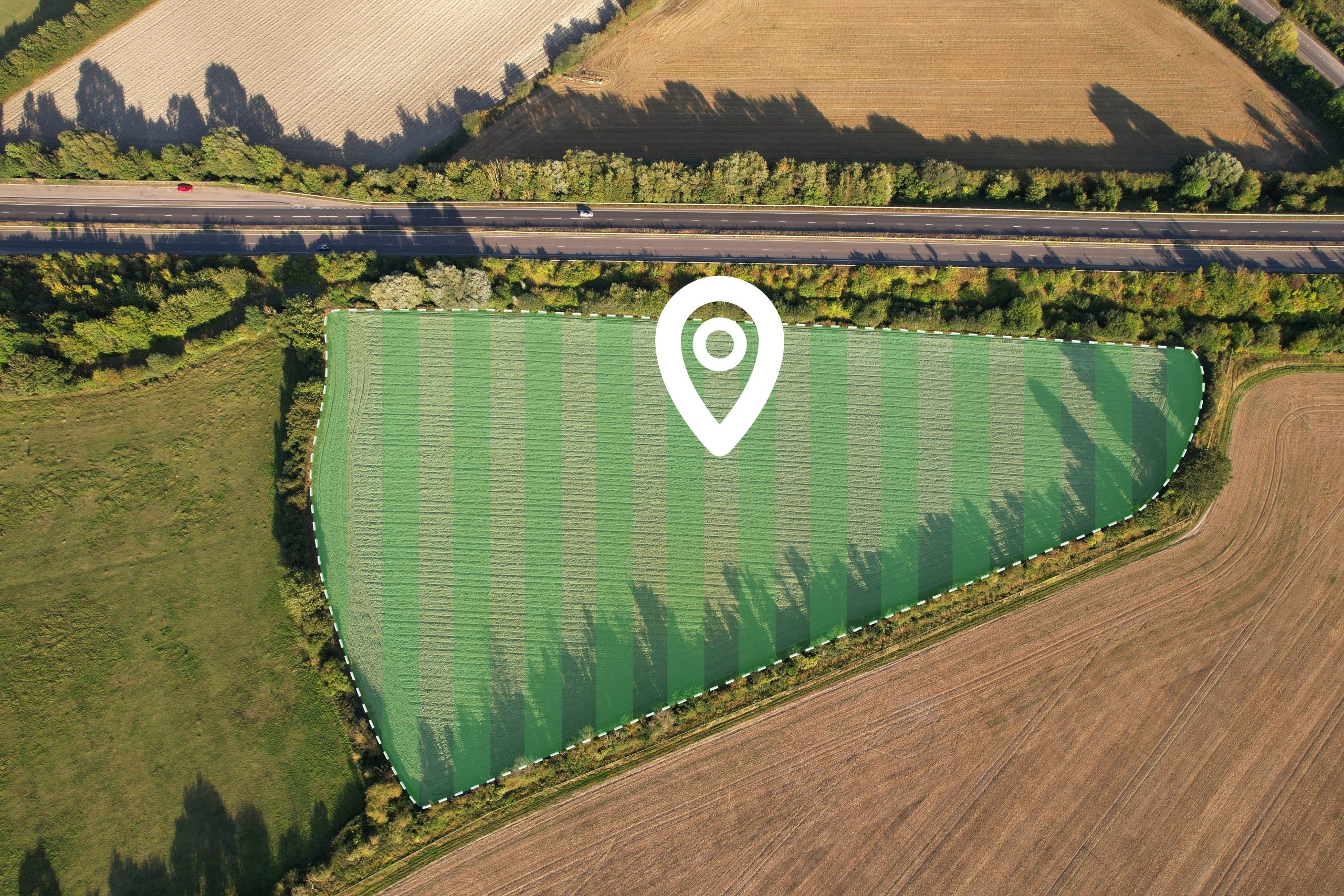
Know what your land is worth to developers before anyone makes you an offer.
Data centre developers are searching the UK for land. Many landowners only discover their site is of interest when a letter lands on the doormat. This guide explains what developers look for, how deals are structured and how to check your land’s potential before you speak to anyone.
Find Out what your land is worth.
About Us
How Do I Sell Land for a Data Centre?
Check it, assess it, get advice, then choose your deal.
To sell land for a data centre, start by finding out whether your site has what developers need: power, planning potential, connectivity and access.
Then get the site independently assessed, take advice from a solicitor and a land agent, and choose a deal structure that suits you. Developers pay for certainty.
The more you know about your land before the conversation starts, the stronger your position.


Demand is rising, and it is spreading beyond London.
Why Developers Want UK Land Right Now
Switching platforms is usually painful. We have done it 400 times, so for you it is a calendar invite and a coffee.

Land You Were Told Had Limitations May No Longer Be Limited.
One of the most important — and least understood — developments in the data centre land market is the shift in planning policy across the UK.
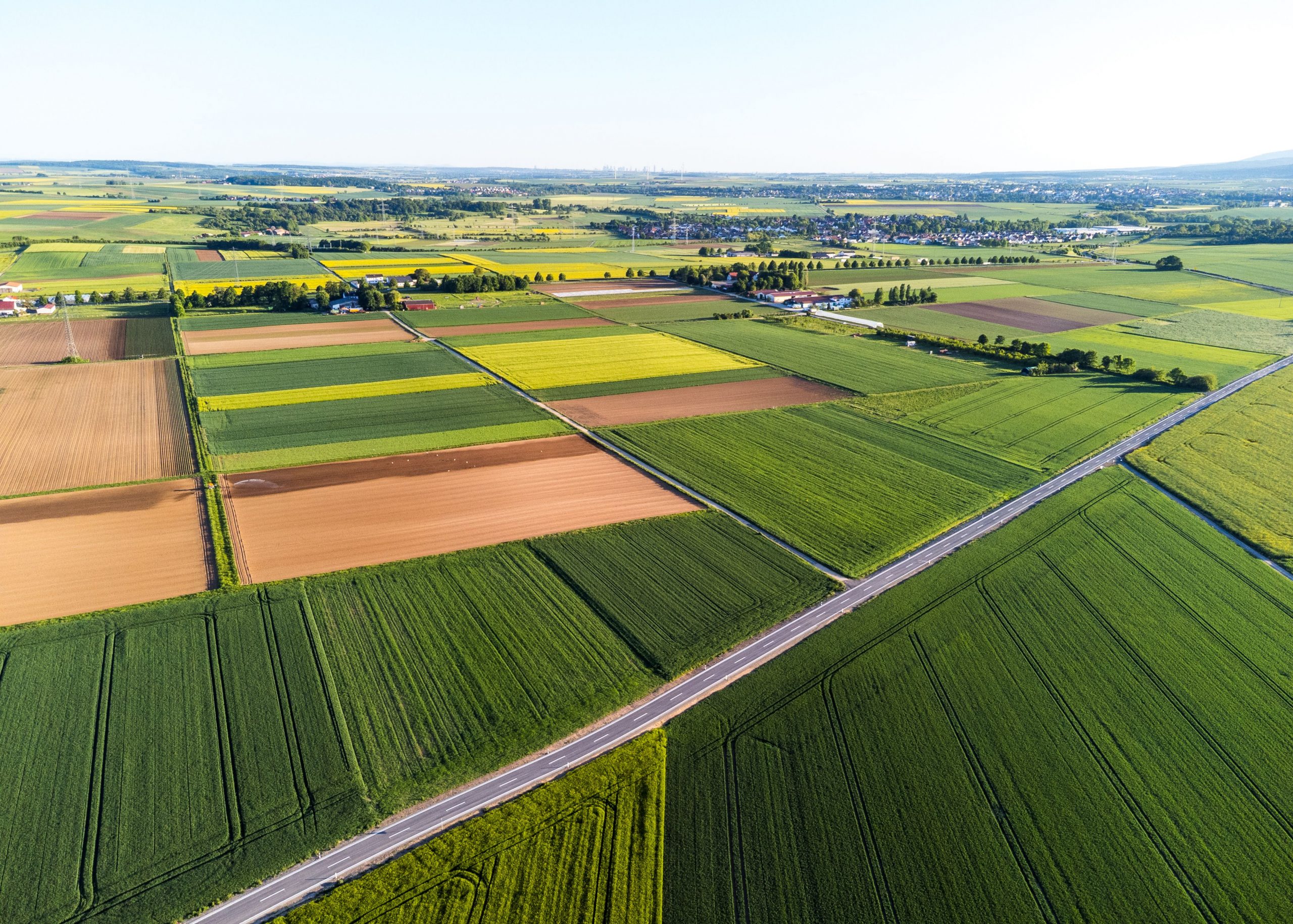
Recent legislative changes have loosened restrictions that previously made certain land difficult or impossible to develop commercially. Sites that were once constrained by outdated industrial classifications, agricultural designations, or restrictive local planning policies are now being reassessed. In many cases, land that was considered marginal or overlooked even by its own owners is now viable for data centre development.
What Makes Land Attractive to Data Centre Developers
Power comes first. Everything else follows.
Power Availability
TERMINUS assesses grid proximity and connection potential, so you know early whether a site can carry your load.
Learn moreLand Relief
We analyse terrain to separate build-ready land from sites where groundwork would drain your budget.
Learn moreConnectivity
We evaluate access to fibre and digital infrastructure, pinpointing sites ready for low latency and resilience.
Learn morePlanning
We review the planning context around every parcel, giving you a clear view of the path to consent.
Learn moreAccessibility
We assess road and transport links, ensuring your site is practical to deliver and operate.
Learn moreWHAT MAKES LAND SUITABLE?
Not All Land Qualifies. But More Does Than You Might Expect.
GIS-WORLD Land Reports
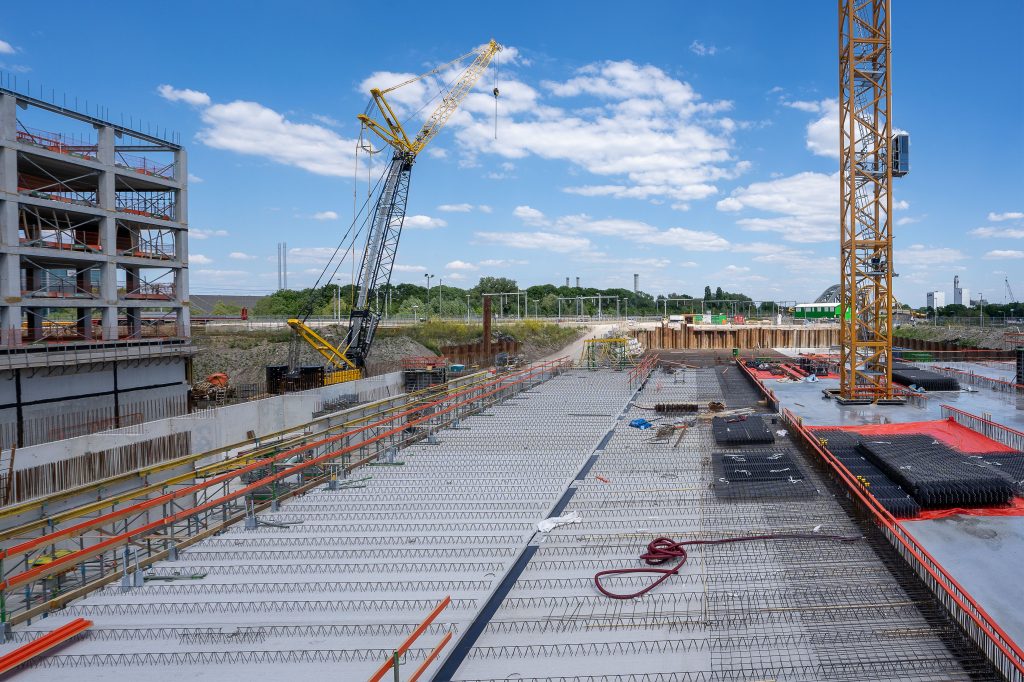
Data centre developers are looking for a specific combination of factors when evaluating potential sites. The good news is that many of these factors are present in land that might otherwise seem unremarkable.
WHAT MAKES LAND SUITABLE?
Not All Land Qualifies. But More Does Than You Might Expect.
GIS-WORLD Land Reports
Data centre developers are looking for a specific combination of factors when evaluating potential sites. The good news is that many of these factors are present in land that might otherwise seem unremarkable.
WHY DATA CENTRES ARE GOOD FOR YOUR LAND
Create Opportunity from Previously Unutilised Land
Data centre developers buy a wide range of sites. The strongest candidates tend to be:
- Brownfield and former industrial land. Established use, existing infrastructure and a more familiar planning route.
- Land already allocated for employment or industrial use. Planning policy is already on your side.
- Farmland near substations and major grid routes. Proximity to power can outweigh current use.
- Land near existing data centre clusters. Existing fibre and power infrastructure attract further investment.
Owning land in one of these categories does not guarantee a sale. It does mean you should find out where your site stands.
GIS-WORLD

How Data Centre Land Deals Are Structured
Every structure moves risk, timing and money in a different direction.
The headline price is only part of the story.
How to Sell Land for a Data Centre
Step by Step
Check the fundamentals
Look at your site’s access to power, planning position, fibre, size, access and risk. TERMINUS assesses every parcel across six pillars — each built from multiple live data sources, not a single snapshot.
Get independent assessment
Before you talk to developers, find out how your site measures up. A TERMINUS report gives you a clear, objective view, scored against the same criteria developers use to judge sites themselves.
Gather your paperwork
Collect title deeds, boundary plans, tenancy agreements, easements, restrictive covenants, rights of way and details of any existing overage.
Take professional advice
Appoint a property solicitor and a land agent or chartered surveyor with development experience. Speak to a tax adviser about the impact of a sale.
Approach the market or respond to interest
Some landowners approach developers directly. Others work through agents or are approached themselves. Compare offers on terms, not just headline price.
Agree heads of terms
Then comes due diligence, planning, contracts and completion. On Point Data handles CON29 and LLC1 conveyancing searches alongside your TERMINUS assessment.

Terminus
Terminus
Terminus
Terminus
Types of Deals for Your Land
Same land, different deal, different outcome.
You sell, the developer takes on the planning and power risk, and you’re paid on completion. It’s the simplest and quickest route — the price reflects the risk the buyer is taking on.Outright sale
The sale only completes once agreed conditions are met, usually planning permission and a grid connection. You can often secure a higher price, but you wait for it.Conditional contract
The developer pays for the right to buy your land within an agreed period. You keep ownership in the meantime, but your land can be tied up for years while they decide.Option agreement
A promoter takes your site through planning at their own cost, then shares the proceeds when it sells. The potential return is higher, but so is the wait — and a sale still isn’t guaranteed.Promotion agreement
You keep the freehold and take rental income over a long term, rather than a single capital sum. This suits landowners who want ongoing income over a lump sum.Long lease
Beyond the deal structure itself, TERMINUS connects landowners to the developers actively searching for sites like yours. Run an assessment, and a strong result puts your land in front of the right buyers — without you having to find them first.TERMINUS-guided introduction